A Guide to Walking & Hiking On Skye
A curated guide to the best walks on the Isle of Skye, from short coastal paths and scenic viewpoints to longer hill walks and classic island routes.

Walking is one of the best ways to experience the Isle of Skye. Beyond the famous landmarks, it’s on foot that you discover the quieter edges where the island truly comes to life. After dozens of days walking and hiking on Skye, I’ve selected the routes that consistently deliver its most spectacular landscapes, whether you’re planning your first visit or returning to explore more deeply.
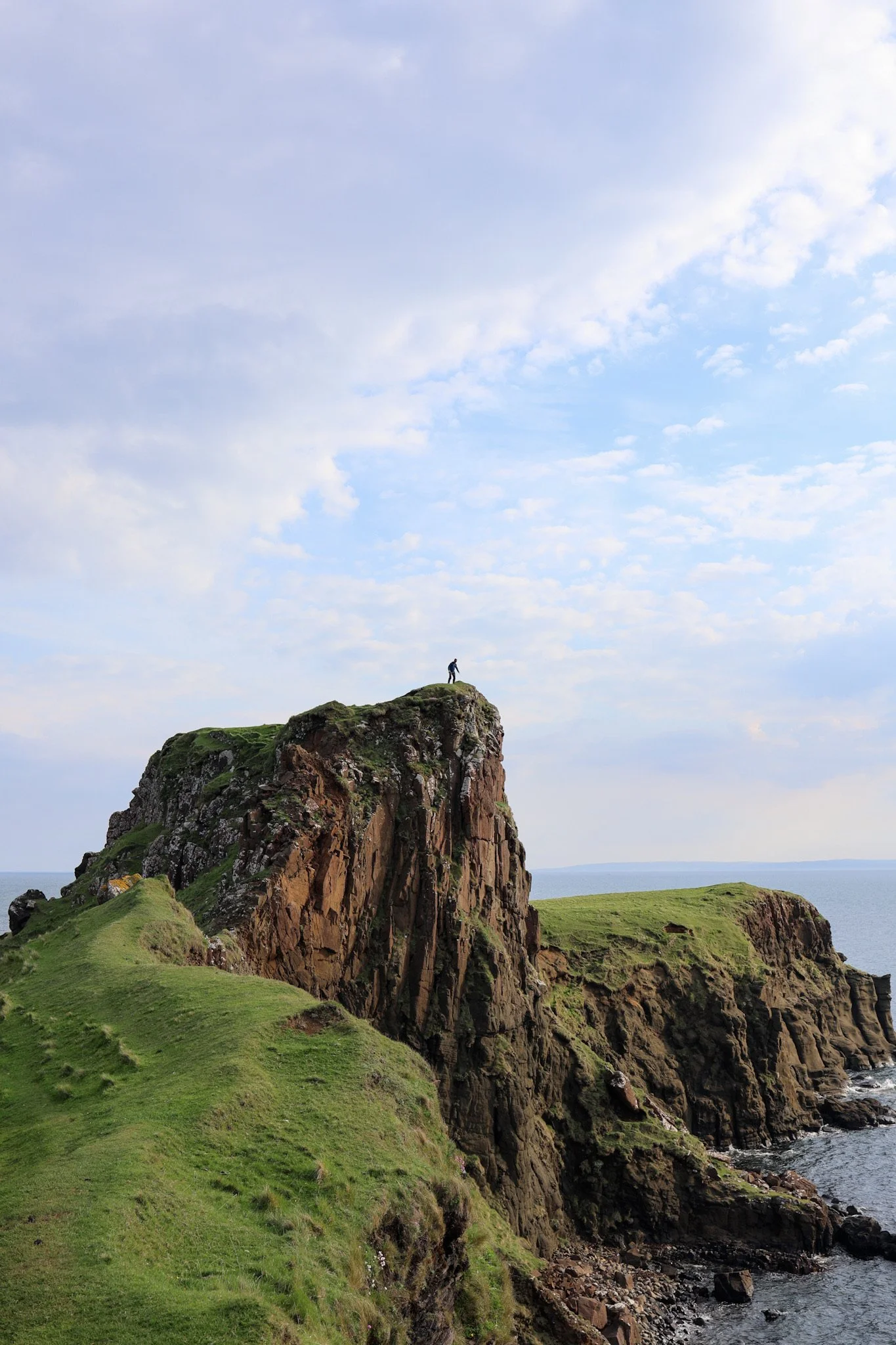
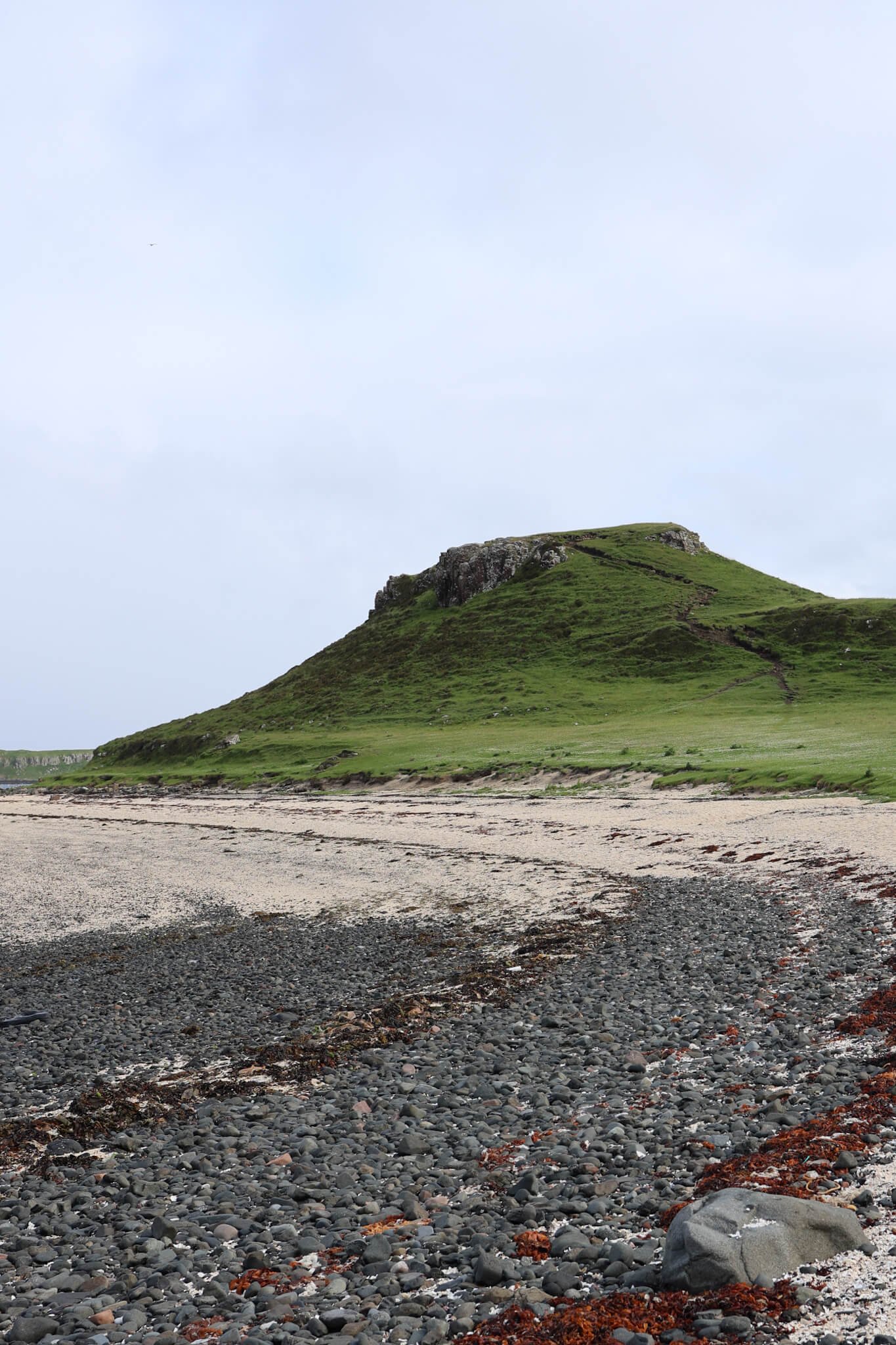
If you’re looking for the best walks on the Isle of Skye to add to your trip, then Coral Beach, Oronsay Island, The Old Man, Brothers Point, and Rubha Hunish rarely disappoint.
Skye’s hikes feel like a breath of fresh air, only wilder.
You’ll find short viewpoint strolls, accessible coastal paths, waterfall walks, woodland trails and more demanding mountain routes, all within a relatively small island. From easy Isle of Skye walks for beginners to serious hill days, the variety here is remarkable.
The key is not doing everything. It’s choosing the right walk for the conditions, your base on the island, your experience level and the time you have available.
Below, you’ll find my favourite Skye hikes, alongside guidance to help you decide which routes make sense for your trip.


Quick Guide: Skye’s Best Walks
These are the Skye walks I always return to for spectacular views - a concise, curated list of walks I genuinely think are worth your time. You’ll find detailed route guides, starting points and parking information further down the page:
The Old Man of Storr
The Quiraing
Blà Bheinn
Coral Beach
Brothers Point
Rubha Hunish Lookout Bothy
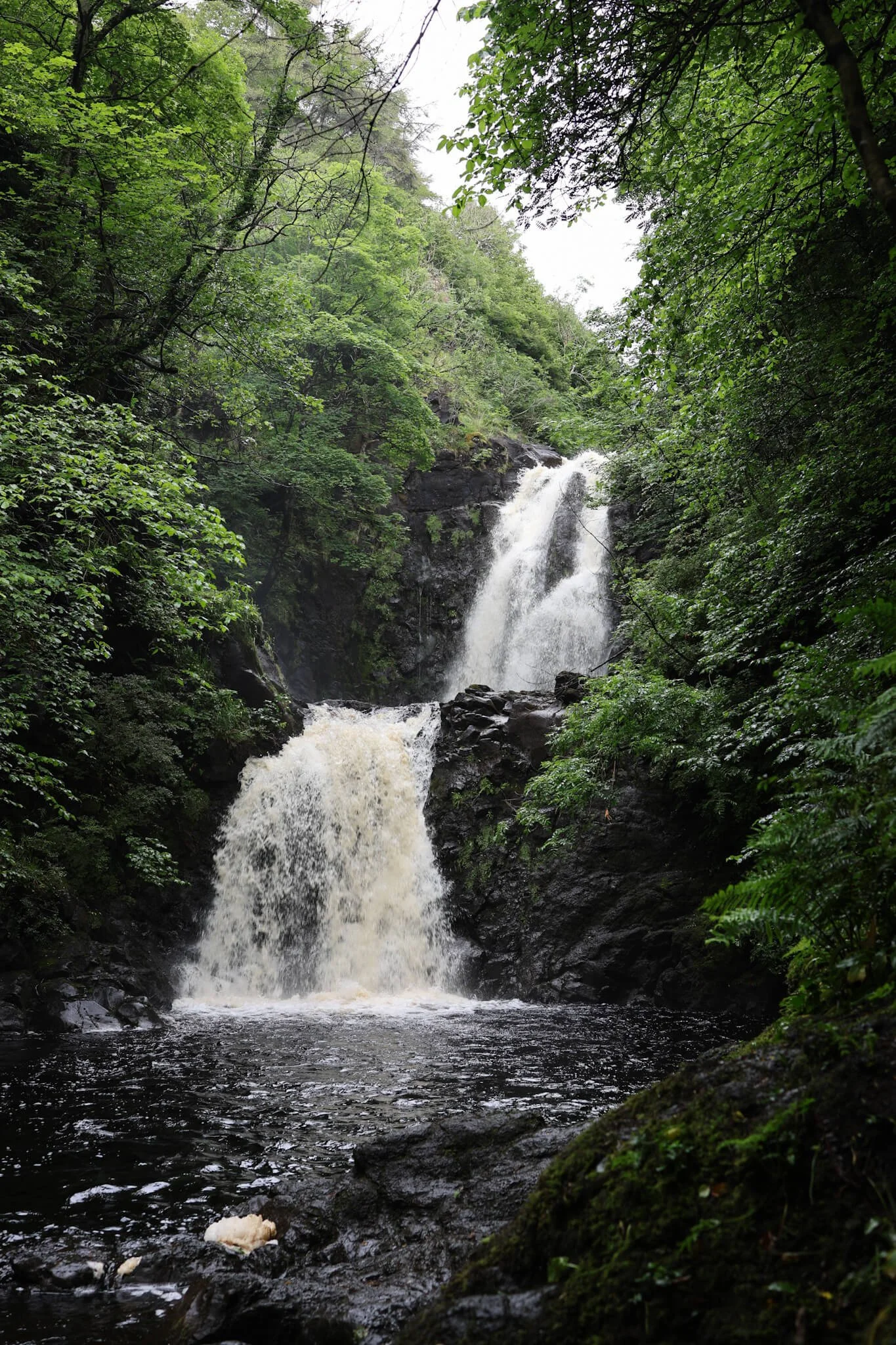
Rha Falls
Oronsay Island
McLeods Maidens
What To Know About Walking on the Isle of Skye
With being such a large island, the truth is you could spend a full month here walking trails into the mountains, glens, and along the coast. But I know not everyone has time for every trail, given you’re balancing hikes with scenic drives, distilleries, wildlife stops and time simply soaking it all in.
Whichever route you choose, one thing remains true: the Isle of Skye feels far bigger on the ground than it appears on a map, so a thoughtful plan makes all the difference.
Getting around
The easiest way to get around Skye’s walking trails is by car - it’ll give you the greatest flexibility. That said, there is a local bus which runs from Portree around Trotternish and stops at the Old Man of Storr, Flodigarry and Rubha Hunish, but services are infrequent, so you’ll need to be mindful of timing.
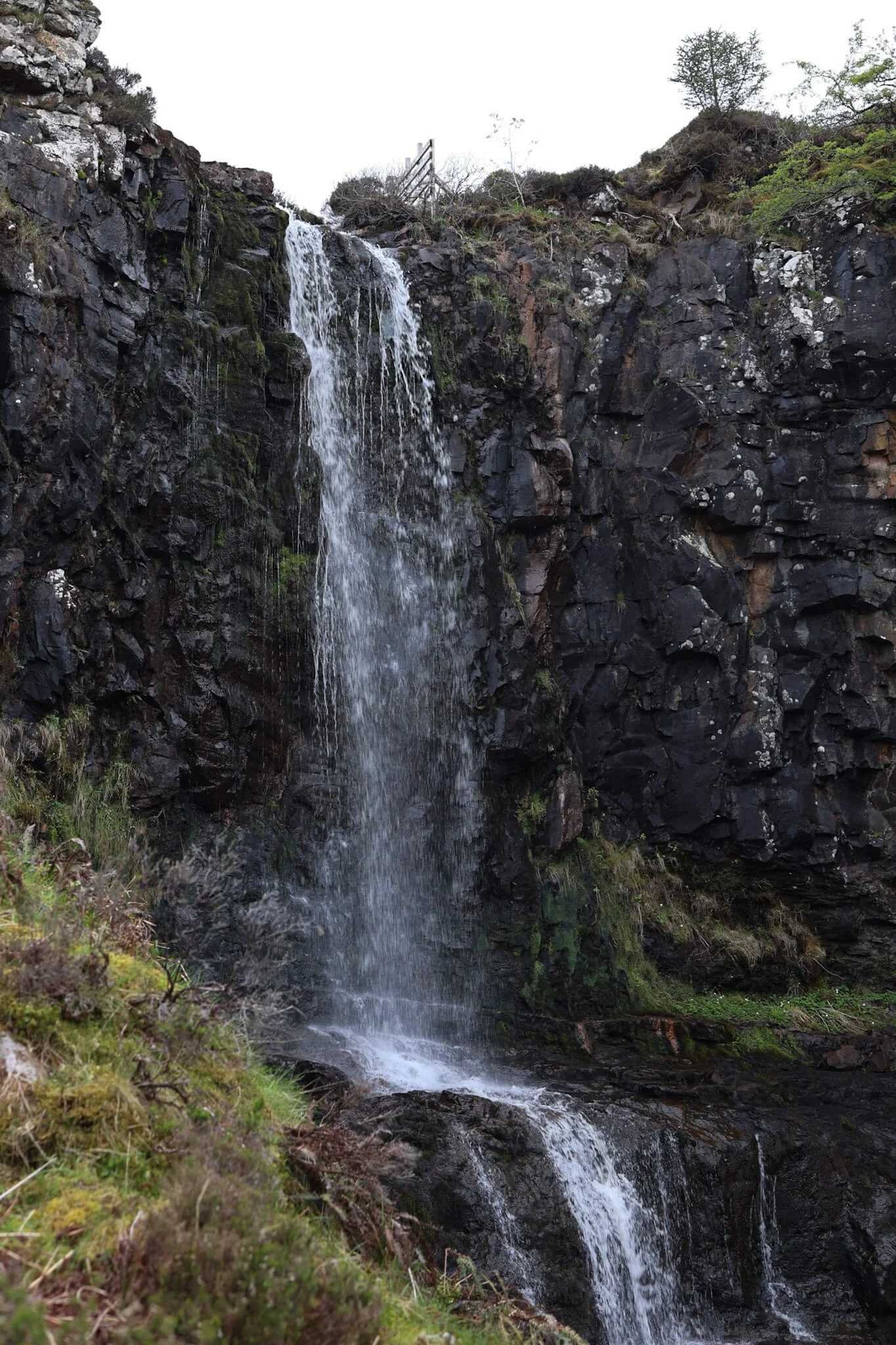
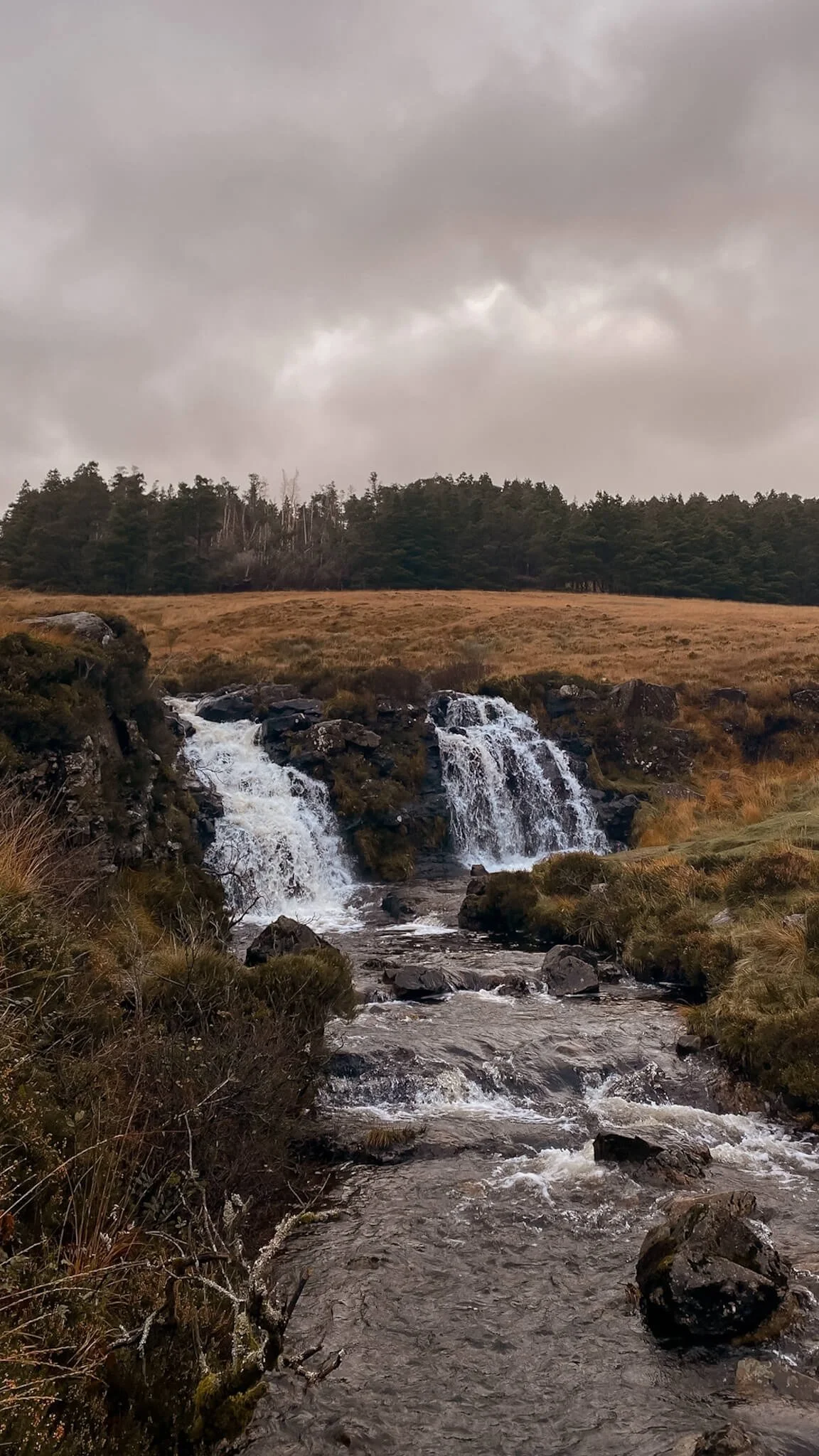
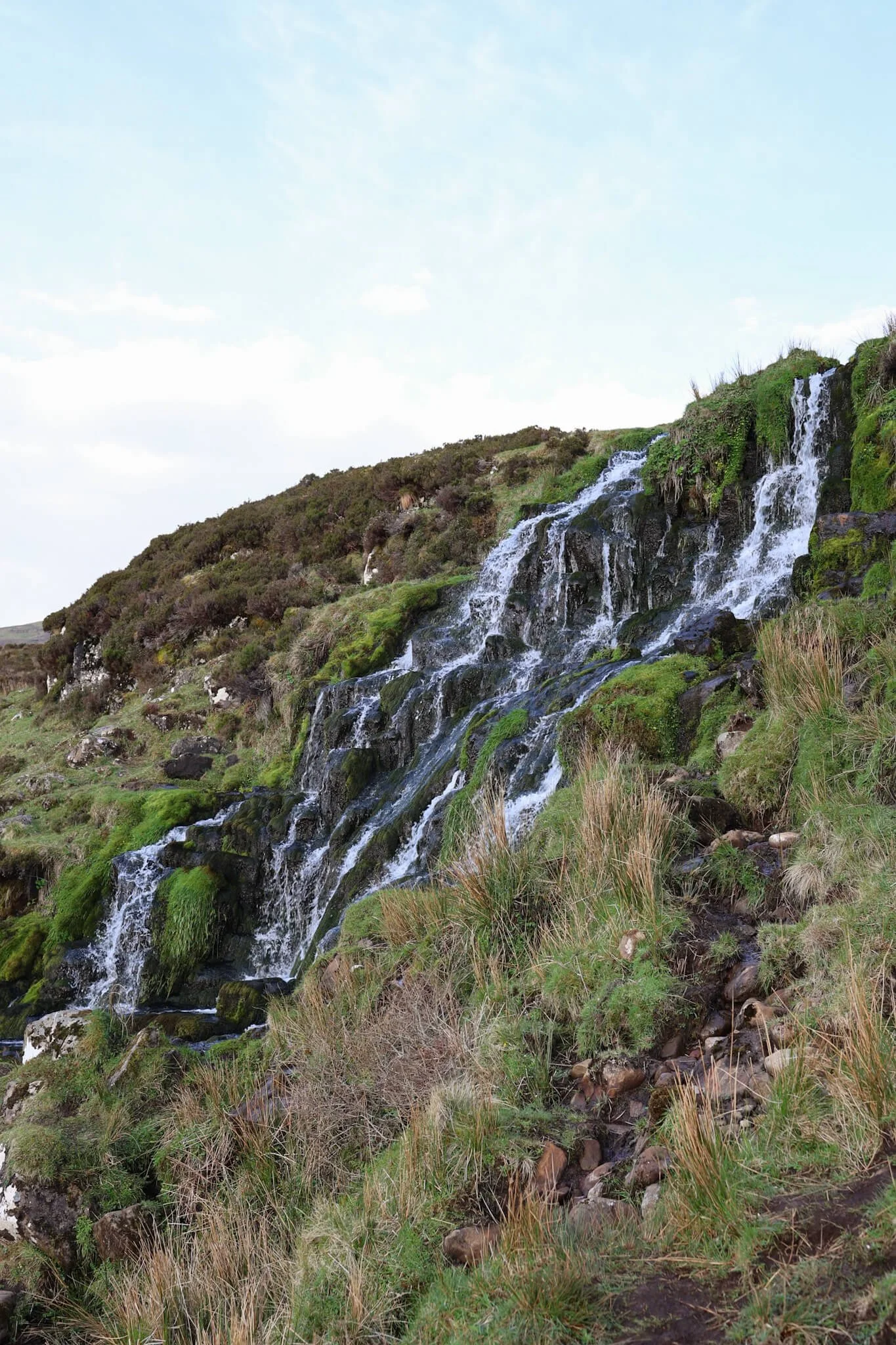
Skye Walks & Hikes

Practical Tips for Walking on Skye
I’ve walked this island in bright sunshine, heavy rain, and low cloud that completely erases the ridgelines. Across every season and every corner of Skye, the same thing always feels true: the island rewards those who slow down and move through it thoughtfully.
Some hikes here are ambitious from the outset. Others seem relatively modest until you’re out in the landscape and realise how expansive they feel. The well-known walks are often worth doing, but they’re far from the only places that leave an impression.
If this is your first visit, try not to think in terms of ticking places off. Consider where you’re staying, the route you’re already driving, and what the weather is doing that day. On Skye, conditions shape the experience more than any fixed itinerary ever will.
FAQs
-
Skye is one of the best places in Scotland to explore on foot, but it’s also a landscape that rewards a bit of flexibility and good judgement. The walk you choose should depend as much on the conditions as the location itself.
Let the Weather Lead
Some of Skye’s most famous hikes — particularly the Quiraing and other exposed routes along the Trotternish Ridge — rely heavily on visibility. On clear days, the scale of the landscape is extraordinary. But in low cloud, much of that drama disappears, and strong winds can make exposed sections feel uncomfortable or unsafe.
When the weather turns, the coastline often offers a far better experience. Places like Brothers Point, Coral Beach or Waternish still feel wild and atmospheric, even when the mountains are hidden.
It’s also worth remembering that mountain conditions can be completely different from the weather in Portree or the nearest village. Always check a mountain-specific forecast before heading onto exposed ground rather than relying solely on a general weather app.
Dress for the Conditions
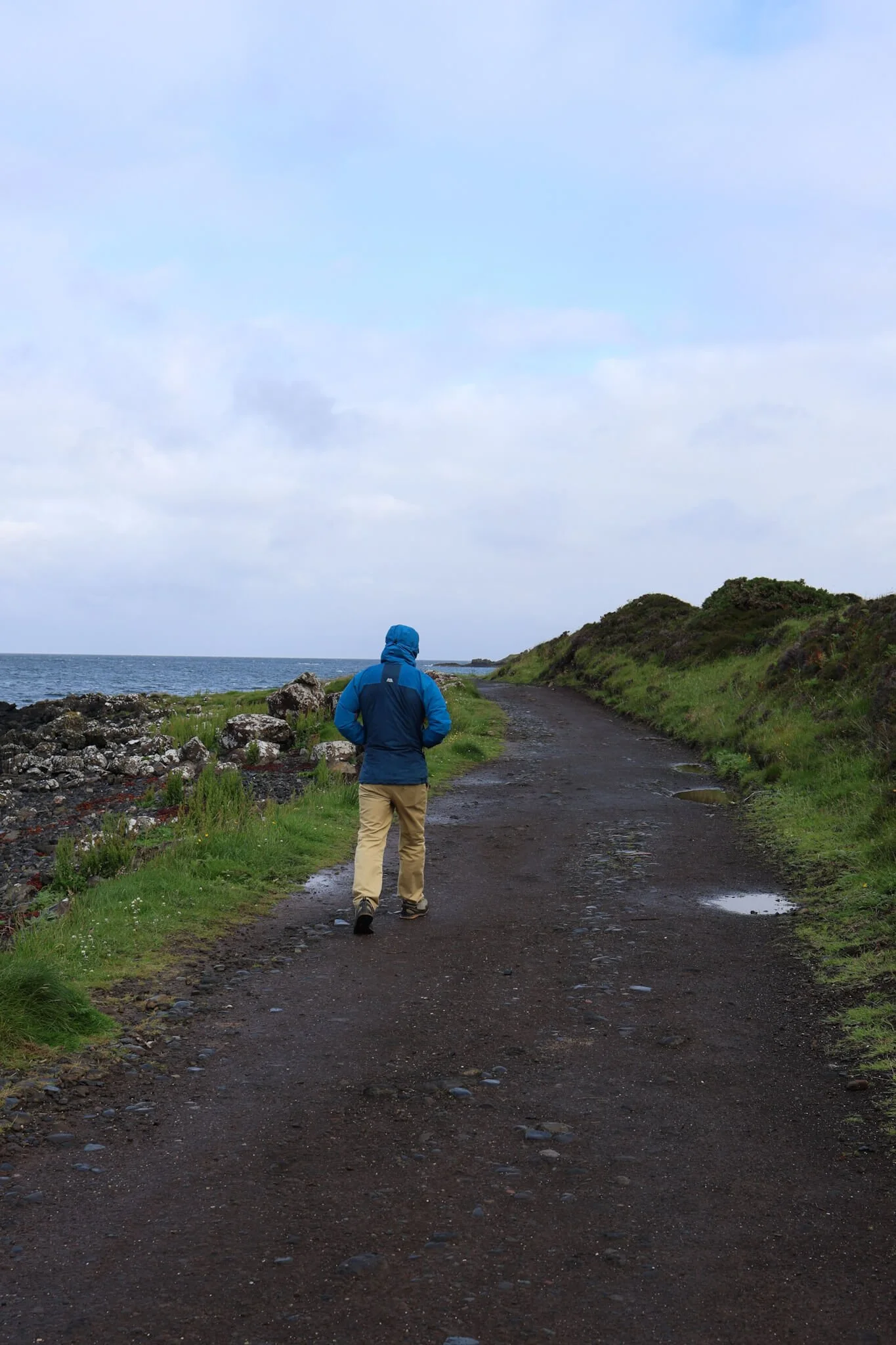
Even after dry weather, many of Skye’s trails remain muddy, uneven or boggy underfoot. Good footwear makes a huge difference, particularly on longer walks or rougher coastal terrain.
Waterproof layers are essential year-round, and it’s always worth carrying a warm layer too. Skye’s weather changes quickly, and it’s not unusual to experience sunshine, wind and rain all within the same walk.
Be Realistic About Experience
Not every walk on Skye requires serious hiking experience, but there’s a huge difference between an easy coastal wander and a full mountain ascent.
Routes in and around the Cuillin often involve steep terrain, scrambling, exposure and confident navigation skills. Others, like the Old Man of Storr or the Fairy Pools, are far more accessible for most visitors.
If you’re unsure about a route — or simply want a deeper understanding of the landscape — hiring a qualified local guide can completely change the experience, especially for bigger mountain days.
Choose Depth Over Volume
It’s technically possible to visit the Old Man of Storr, the Quiraing and the Fairy Pools all in one day. But in reality, that usually means spending more time driving and parking than actually enjoying the landscape.
Skye is almost always better experienced at a slower pace. One well-timed walk, with space to stop, look around and absorb where you are, tends to stay with you far longer than a rushed checklist of famous spots.
And remember: you do not always need to complete the full route. Many of Skye’s walks offer beautiful viewpoints long before the end of the trail. There’s nothing wrong with turning back early if the conditions, time or energy levels are not right.
-
Most first-time visitors arrive with a shortlist of Skye’s famous hikes, and honestly, many of them are popular for good reason.
The Old Man of Storr and the Quiraing deliver that immediate sense of drama people associate with Skye. In good conditions, both are genuinely spectacular and make a brilliant introduction to the island’s landscape and geology.
But some of Skye’s most memorable walks happen away from the busiest trails.
Around the quieter corners of the Trotternish Peninsula, places like Brothers Point feel slower, wilder and far less structured. The experience becomes less about reaching a specific viewpoint and more about the coastline itself — the cliffs, the shifting light, the sound of the sea and the sense of space around you.
Skye’s coastal walks deserve just as much attention as its mountains. Coral Beach, Rubha Hunish and Waternish Point all offer completely different experiences, trading summit views for atmosphere, open horizons and a feeling of remoteness.
Further inland, the landscape changes again. Glen Sligachan has that classic Highland sense of scale, with mountains gradually building around you as you walk deeper into the glen. Blà Bheinn feels more rugged and demanding, while the Cuillin sit firmly at the serious end of Skye hiking and mountaineering.
One of the best things about walking on Skye is the sheer variety you can experience within relatively short distances. The aim is not necessarily to choose the most famous hike, but to choose the route that best suits the day, the weather and the kind of experience you actually want from the island.
Everything you need to know about walking to Rubha Hunish Lookout Bothy, Skye’s most northerly point.