Skye Museum of Island Life | A Very Helpful Visitor’s Guide
A very helpful visitor's guide to The Museum of Island Life, on the Isle of Skye. Everything you need to know, from parking to tickets, toilets, and where to find it.
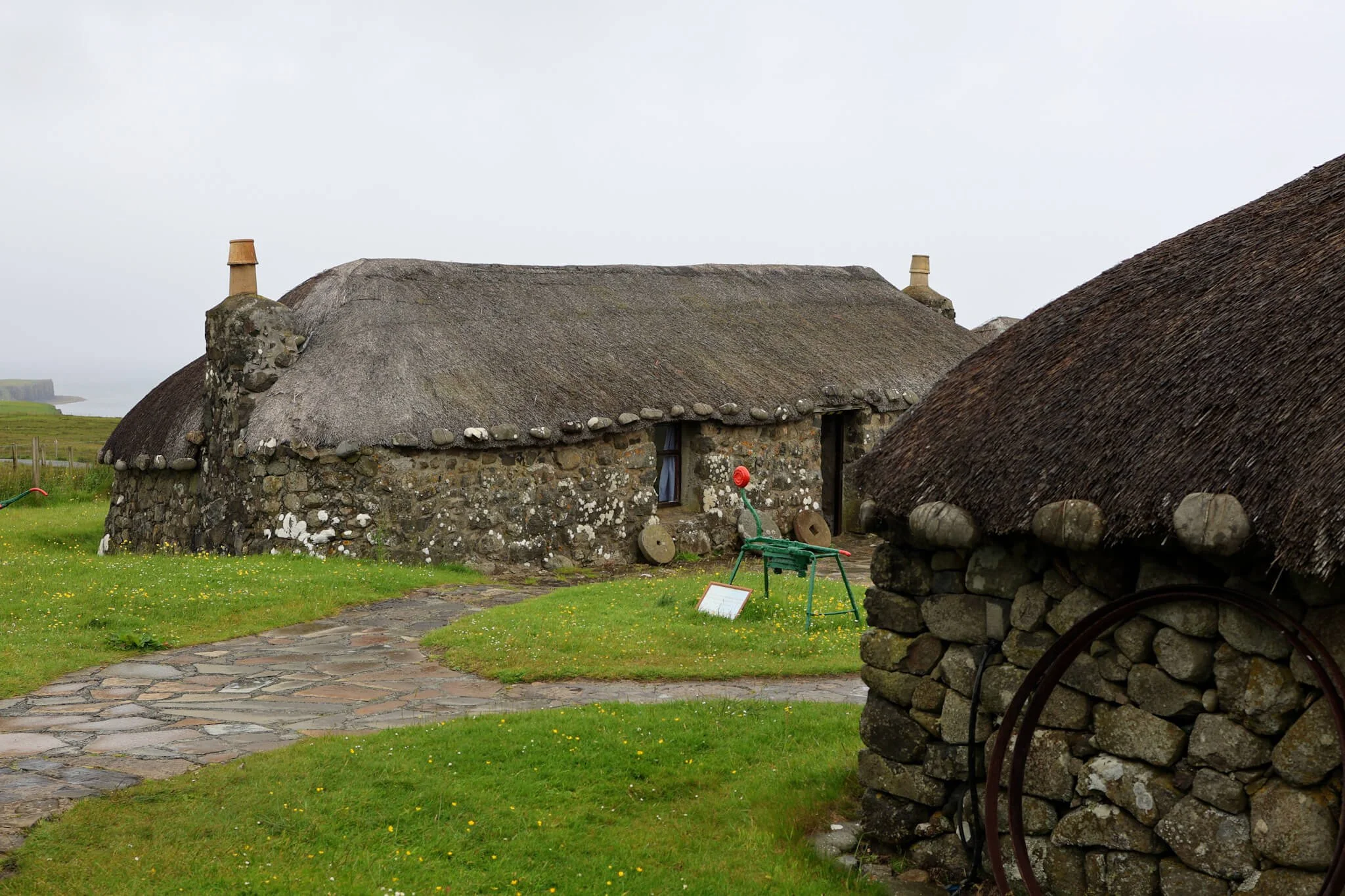
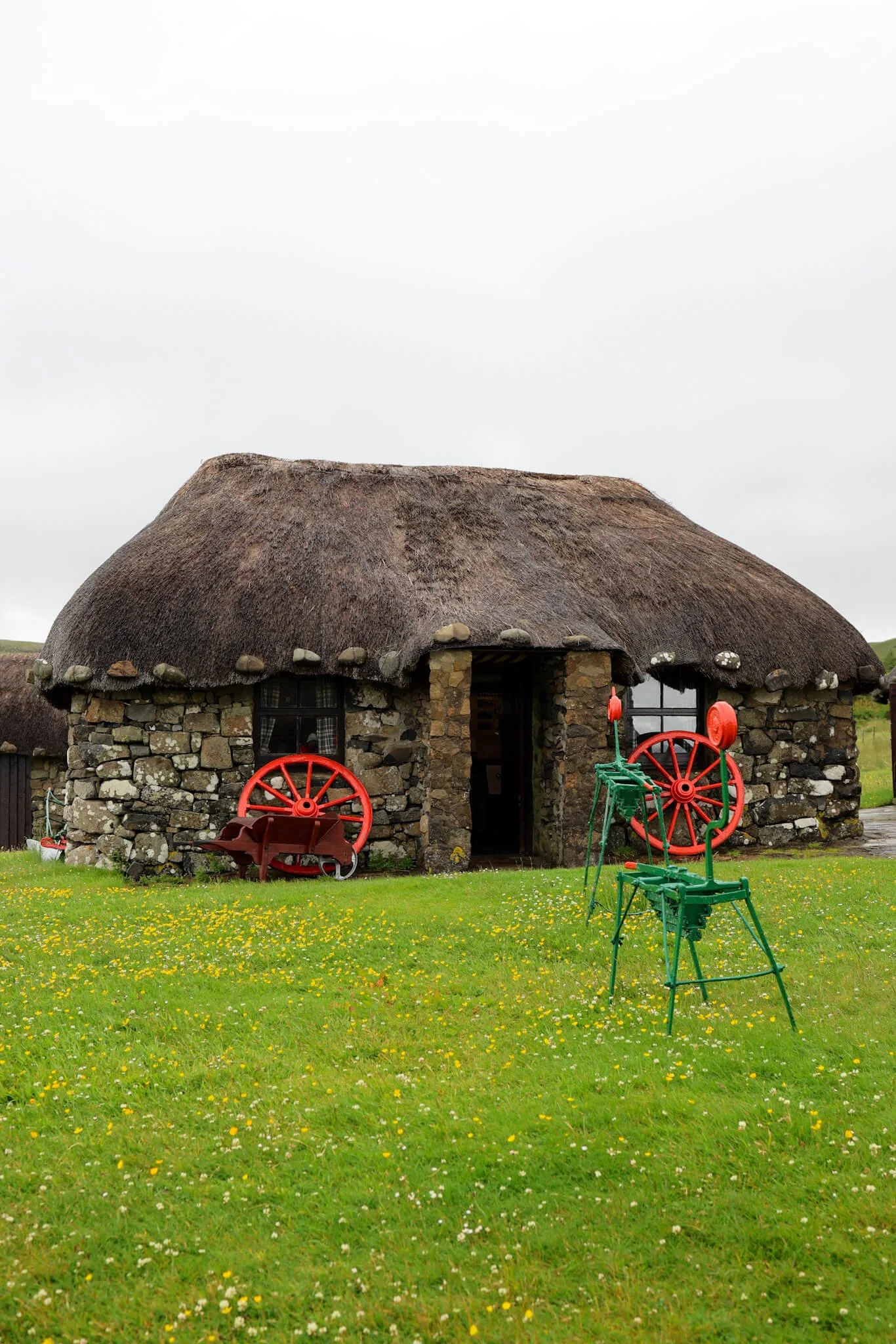
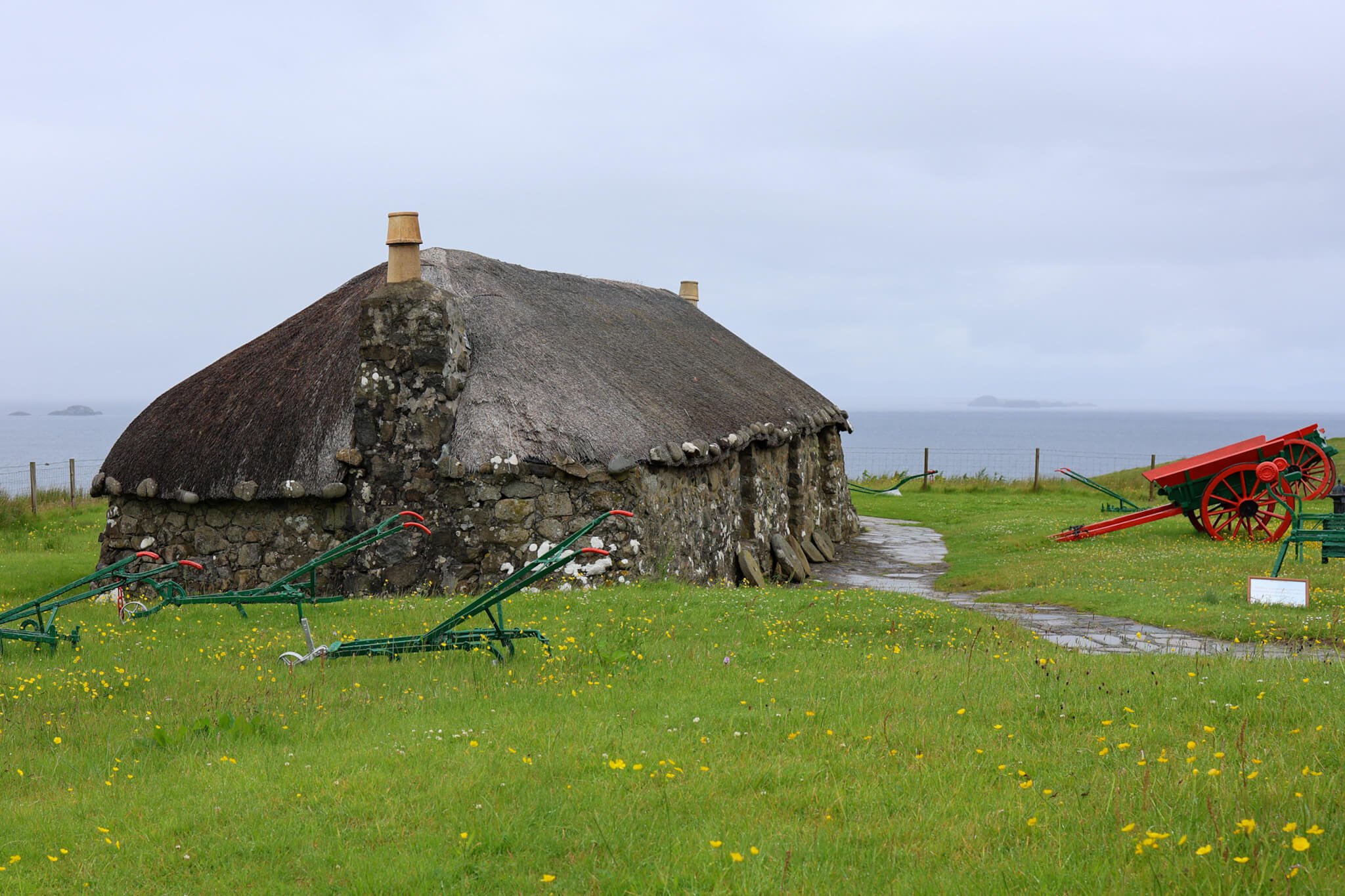
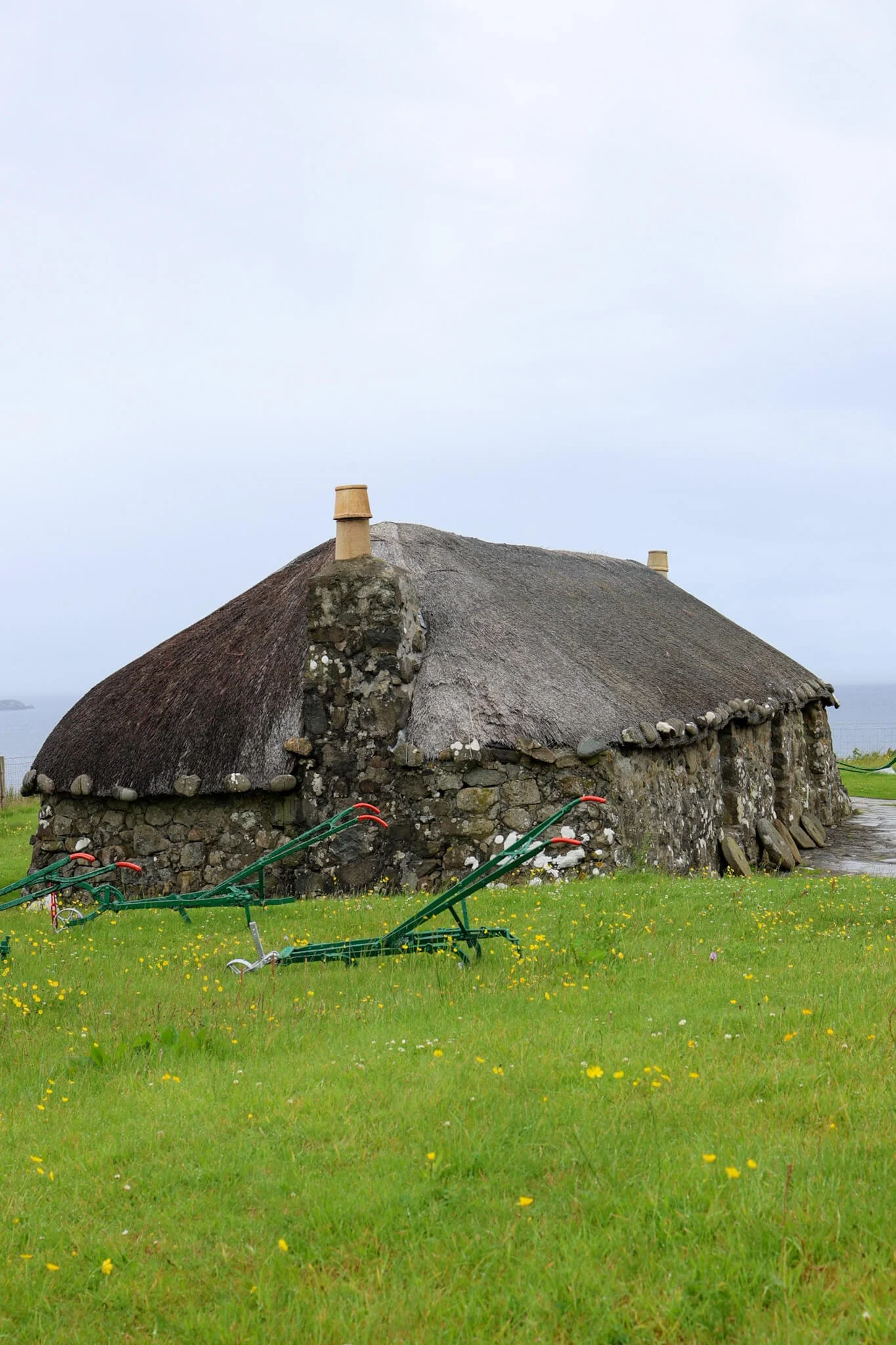
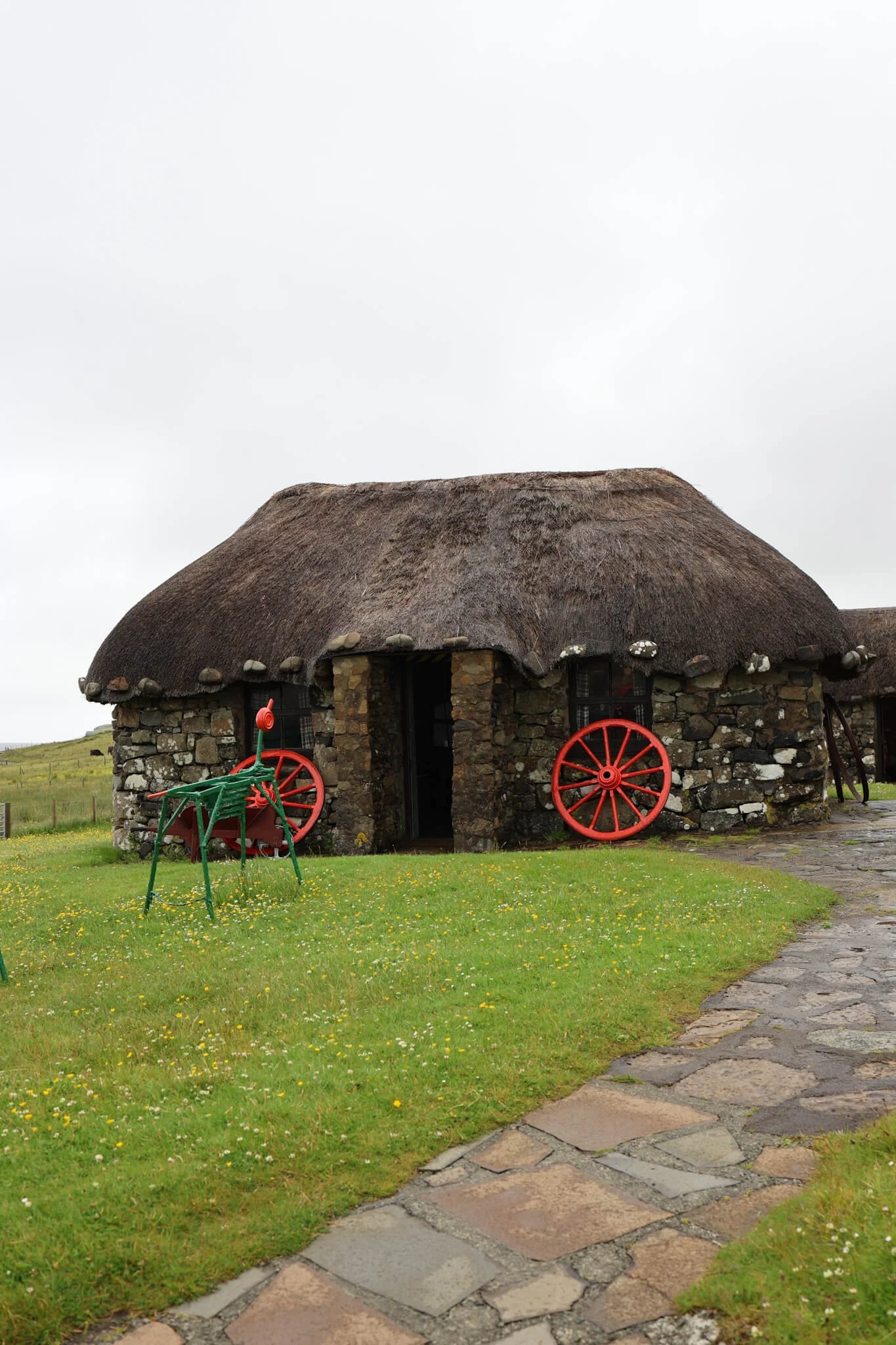
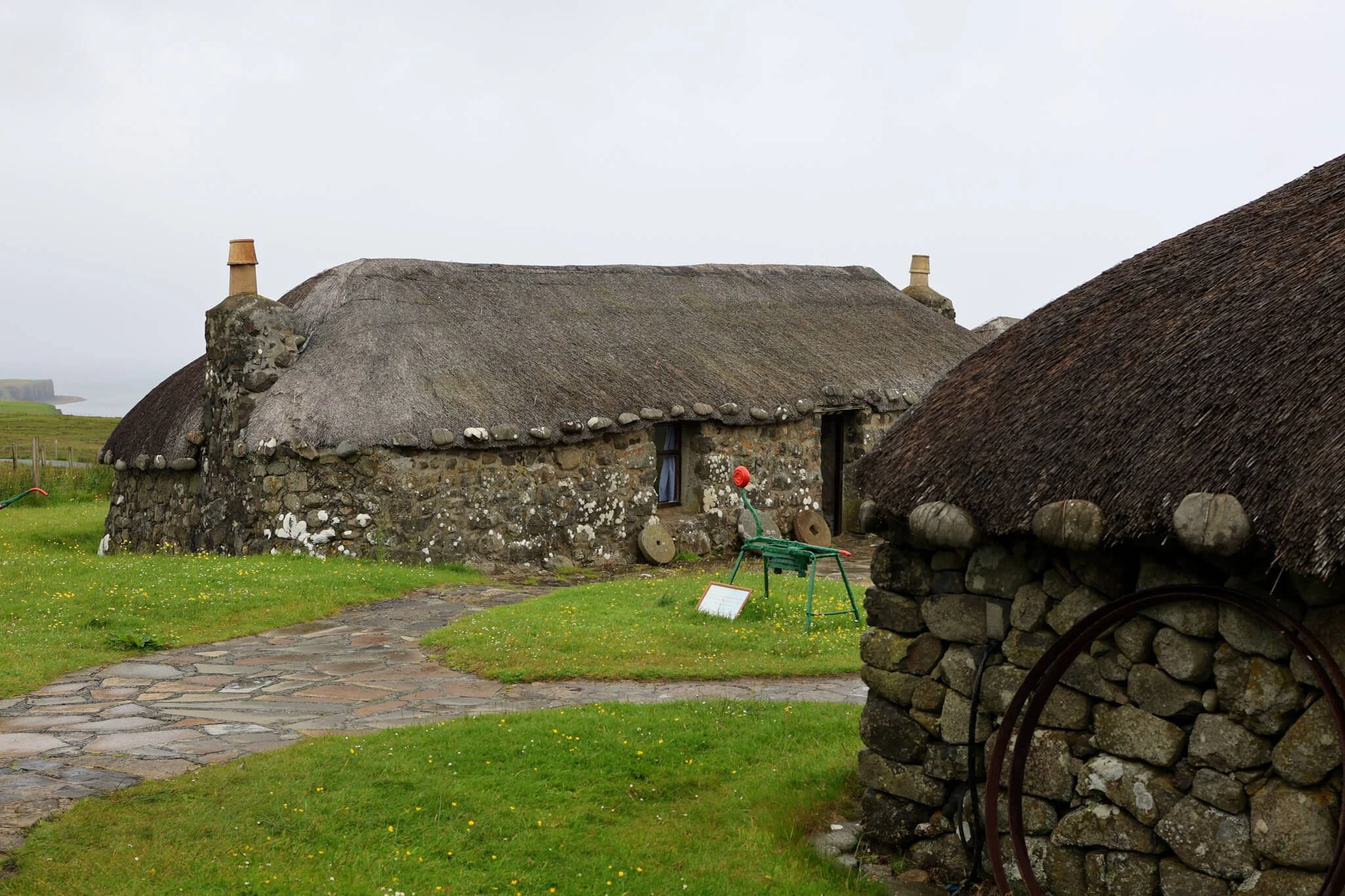
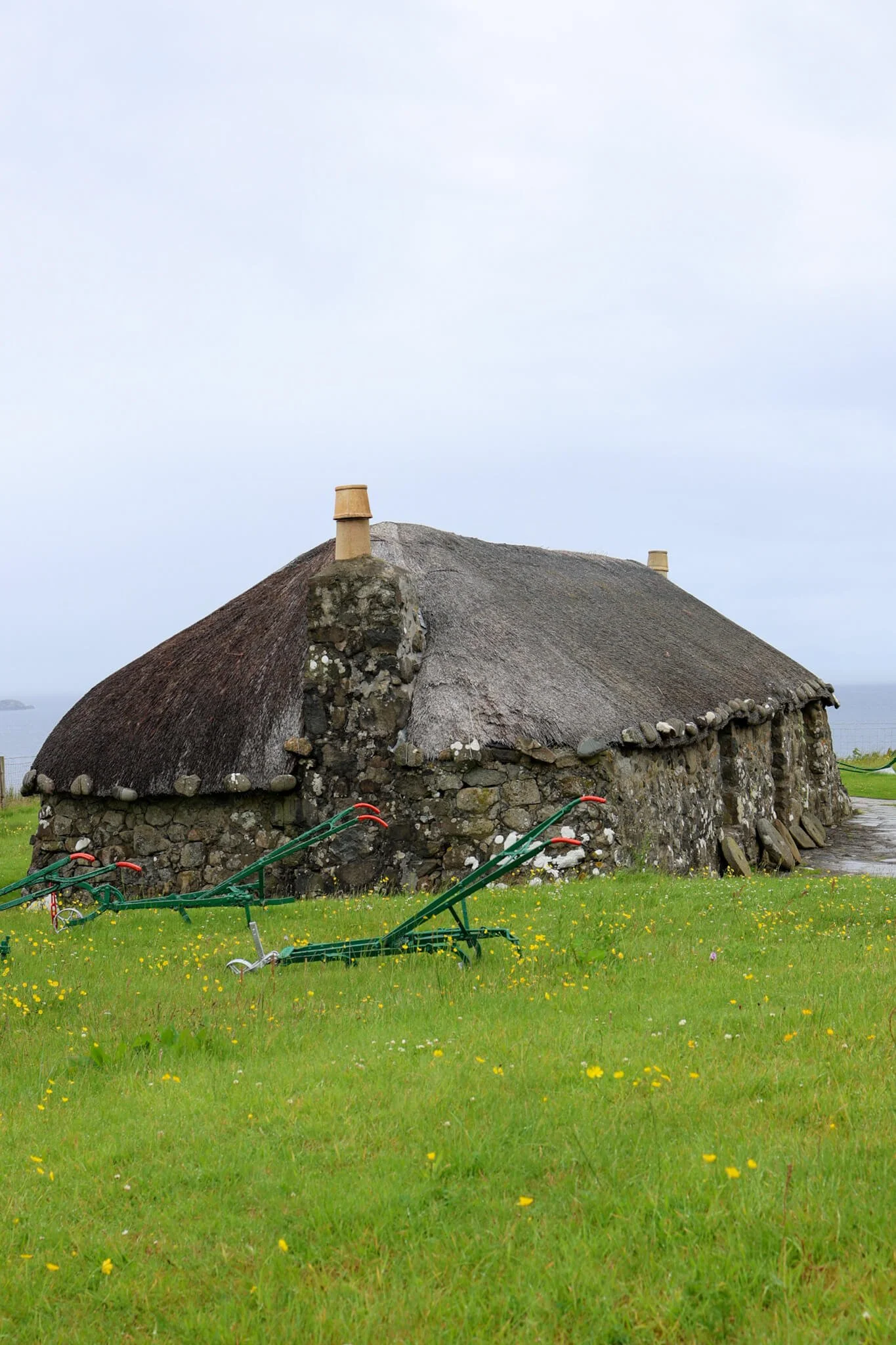
Perched near the northern tip of the Trotternish Peninsula, the Skye Museum of Island Life is a unique heritage stop. This open-air museum is a beautifully preserved collection of black houses that brings the island’s history vividly to life, offering a rare glimpse into how people once lived, worked, and survived in this remote landscape.
Step inside to explore traditional crofting life, with thatched cottages, tools, and everyday objects from the 1800s - when life on Skye was very different from today.
It’s a practical and inspiring cultural stop on any journey around Trotternish, perfect for a short pause to connect with the island’s past.
Where is the Skye Museum of Island Life?
You’ll find the Skye Museum of Island Life near the northern tip of the Trotternish Peninsula. Just north of Kilmuir along the A855, it’s easily reached from Portree or Uig and makes a scenic addition to any northern Skye itinerary.
This area is known for its dramatic landscapes - nearby highlights include Rubha Hunish Lookout Bothy, Duntulm Castle, the Quiraing, and the Fairy Glen, making the museum a convenient stop for explorers of Trotternish’s geological and cultural treasures.
What to Expect When You Visit
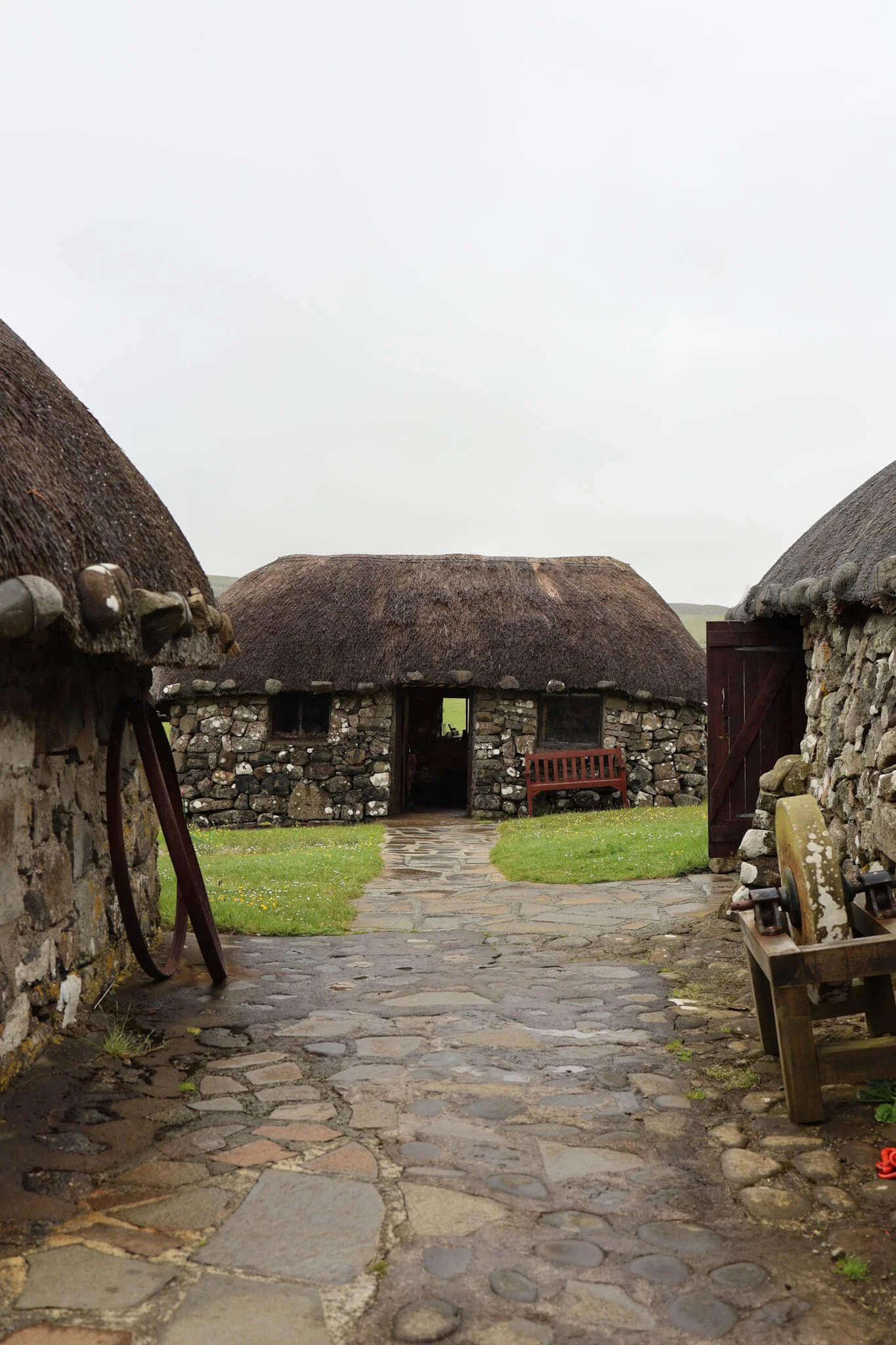
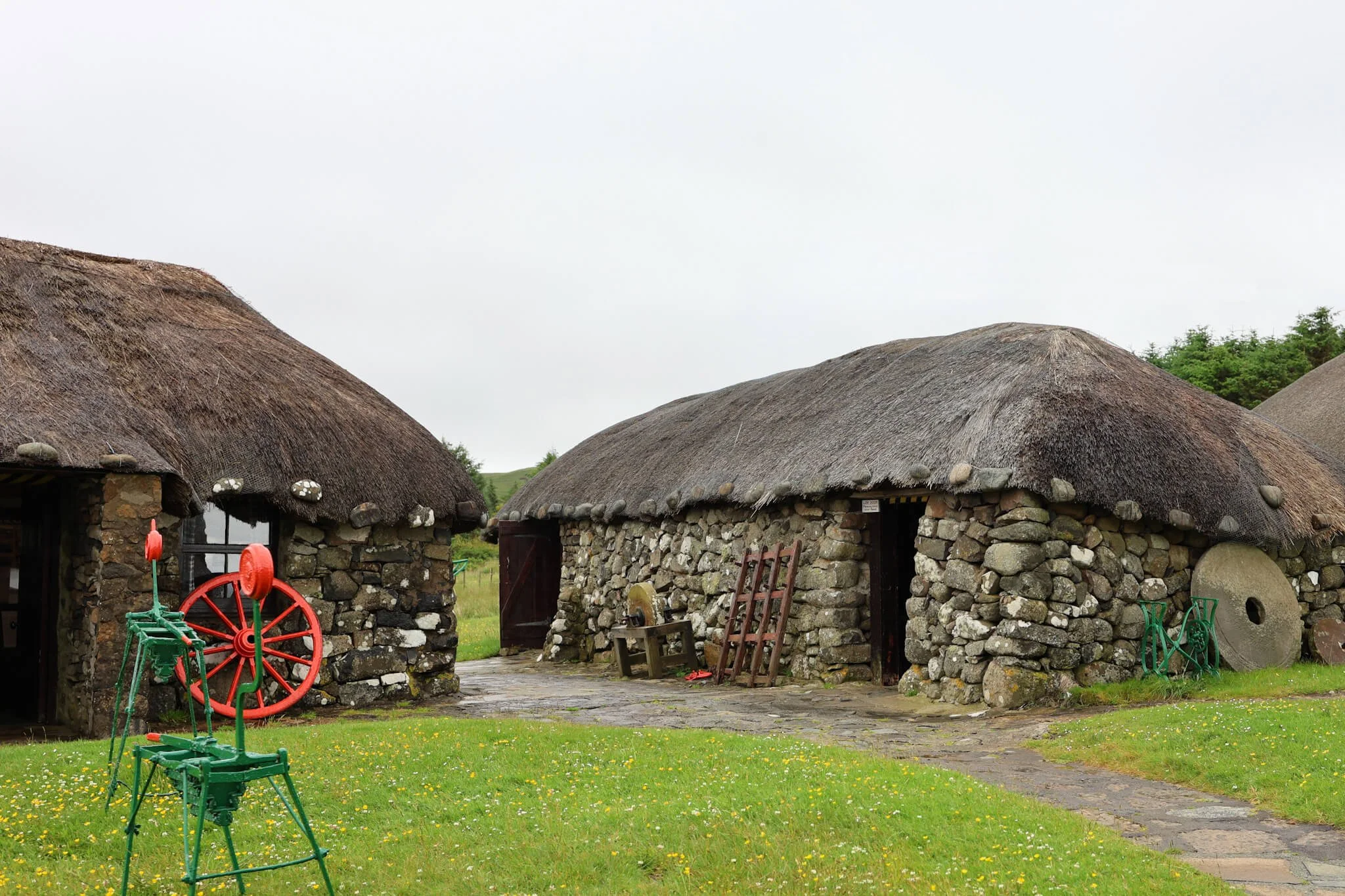
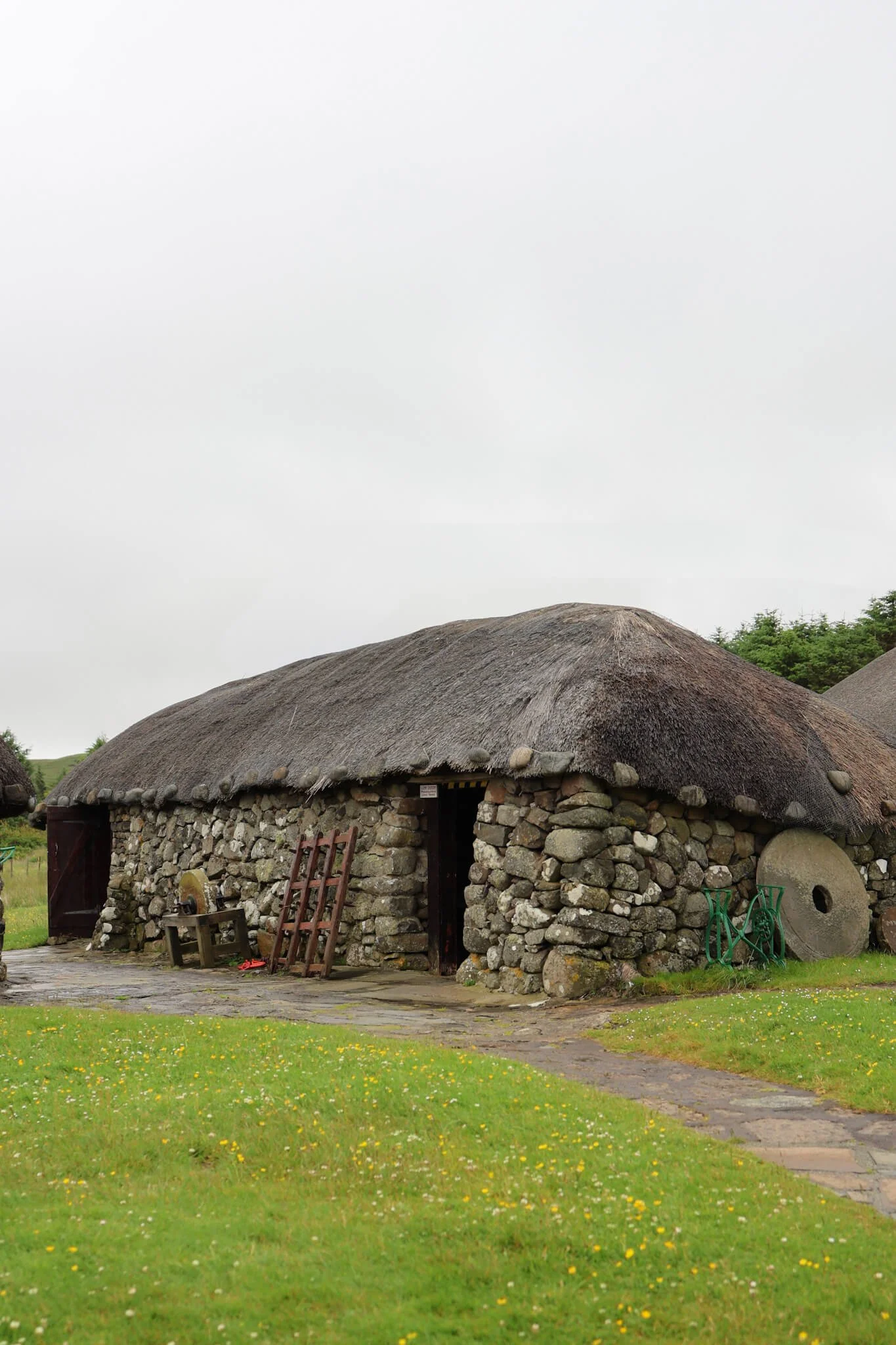
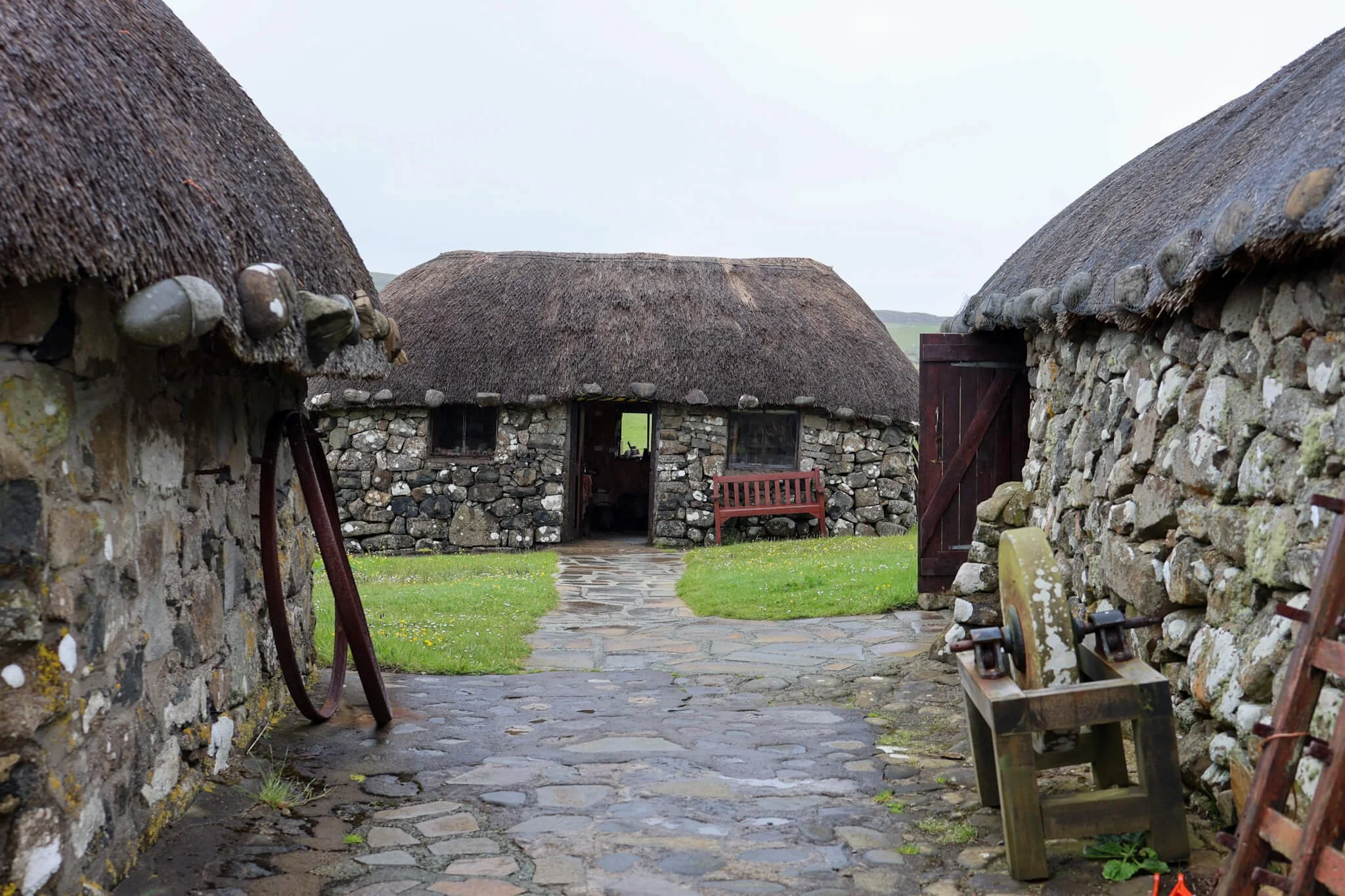
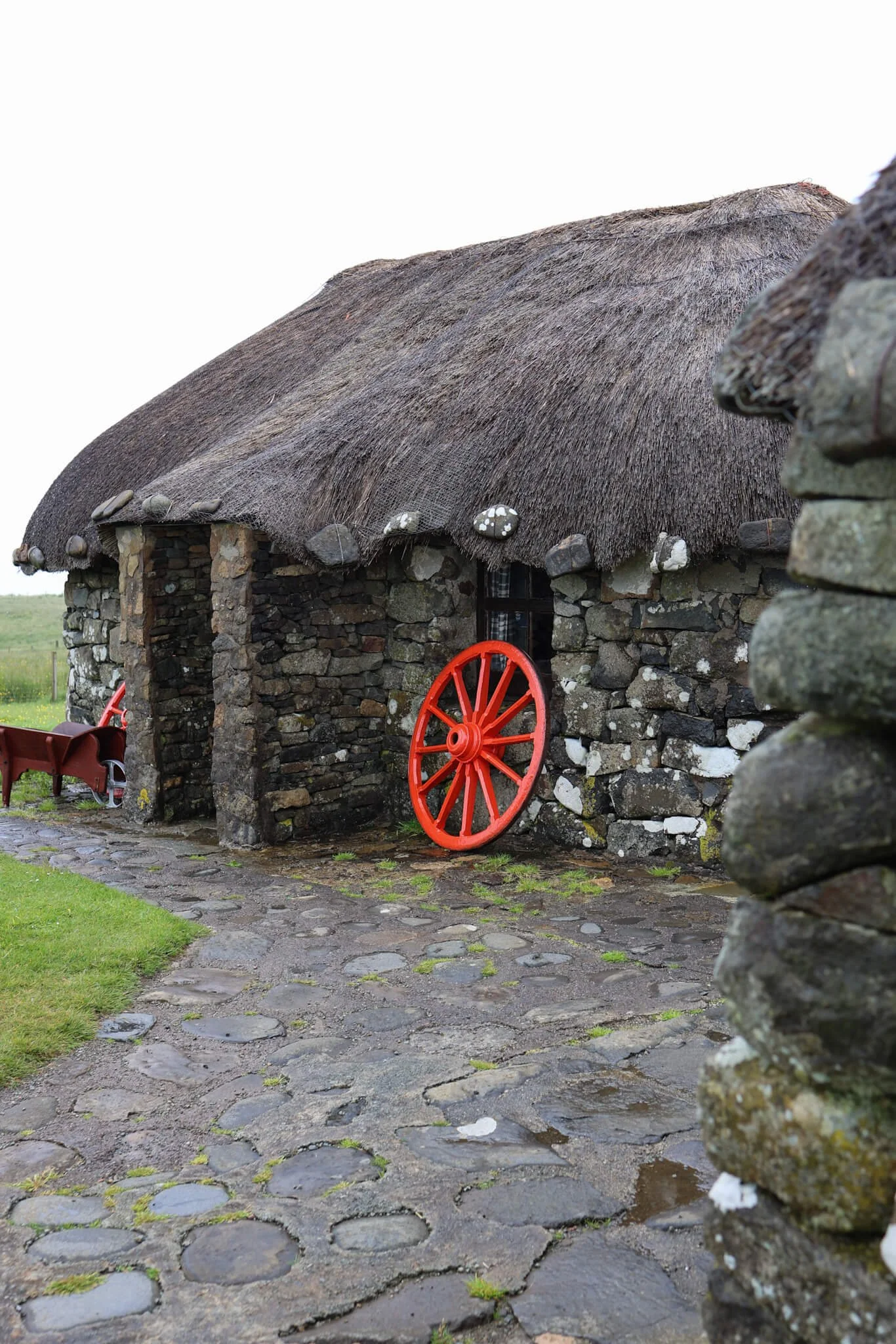
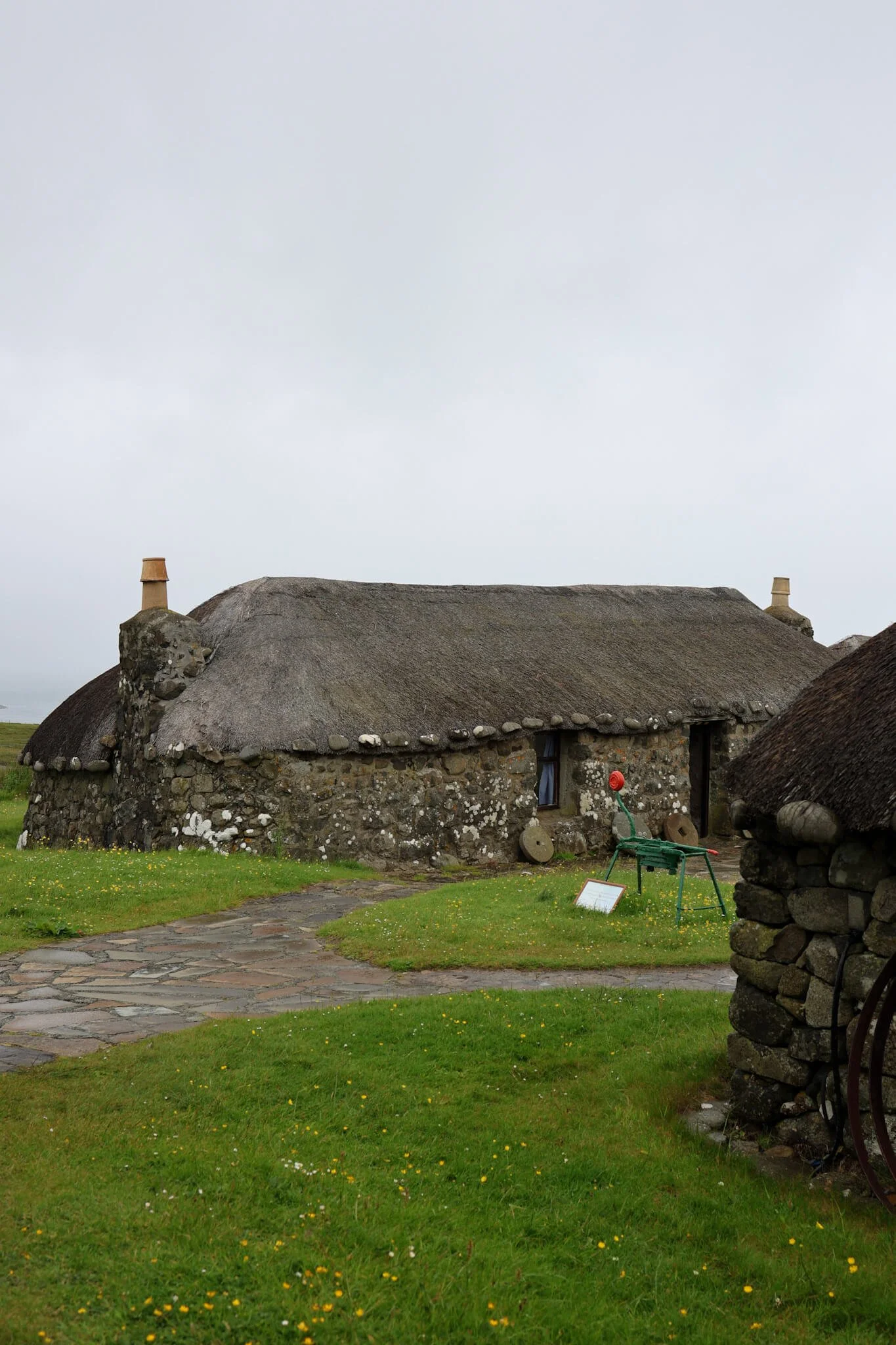
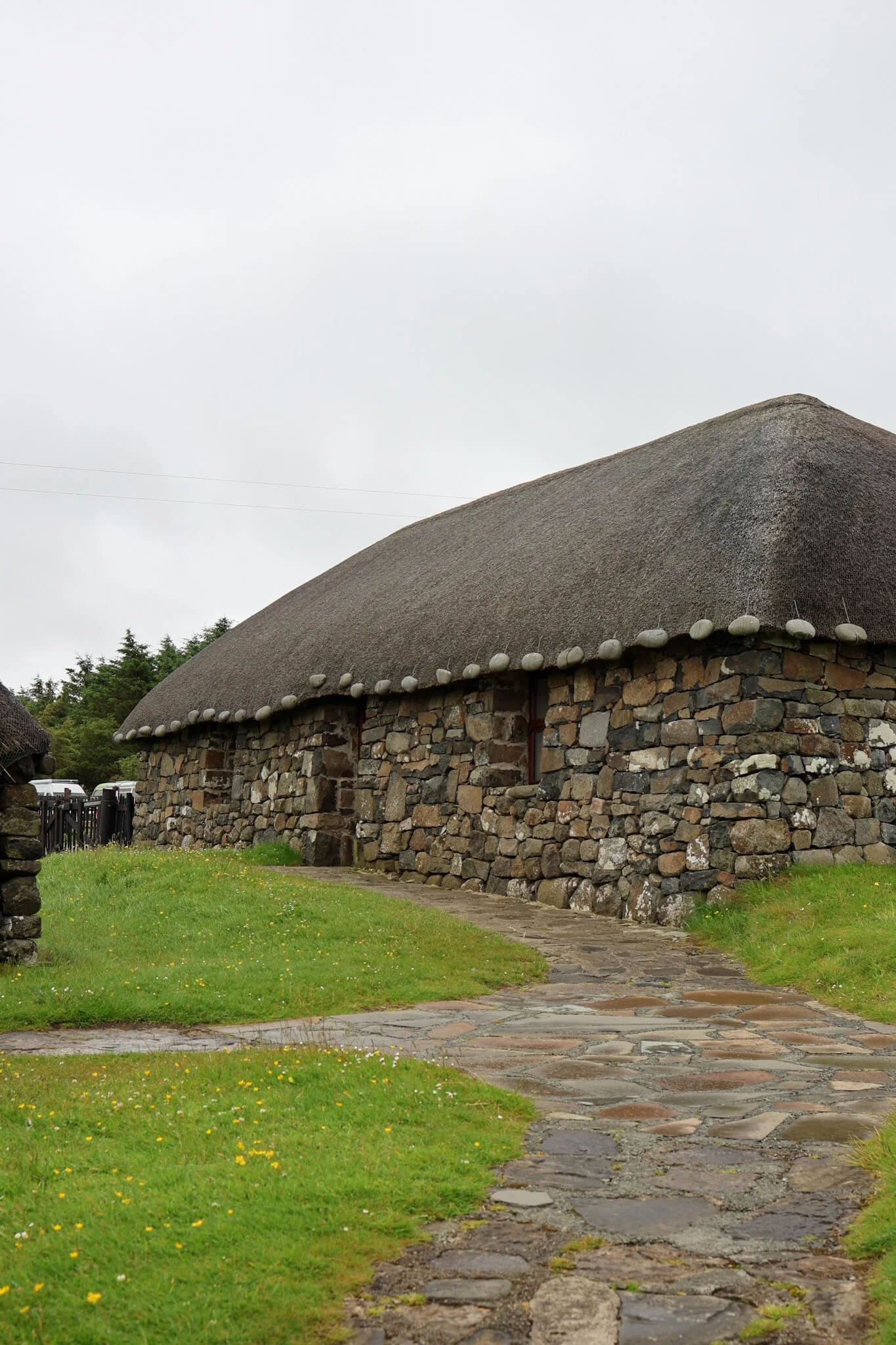
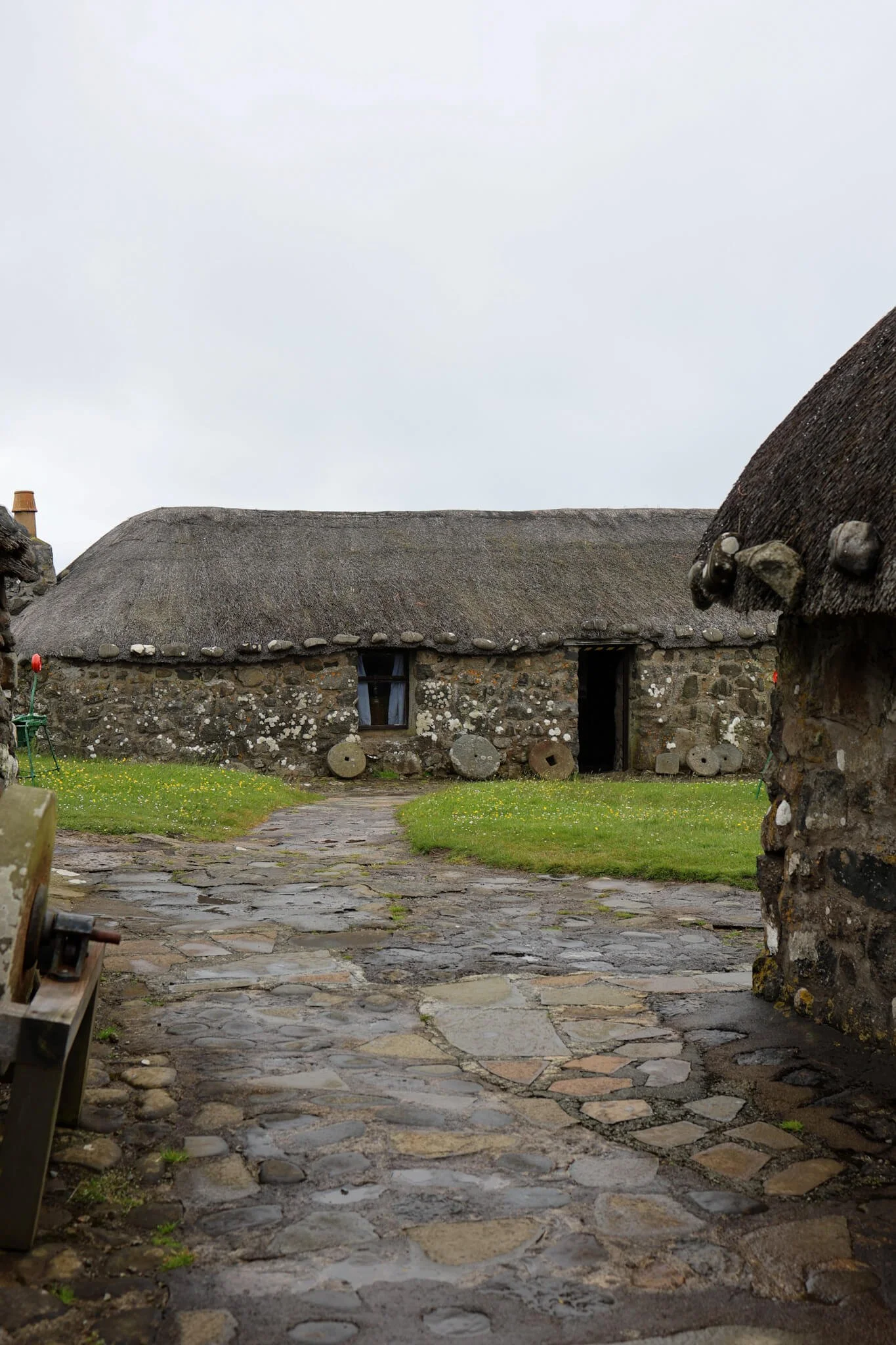
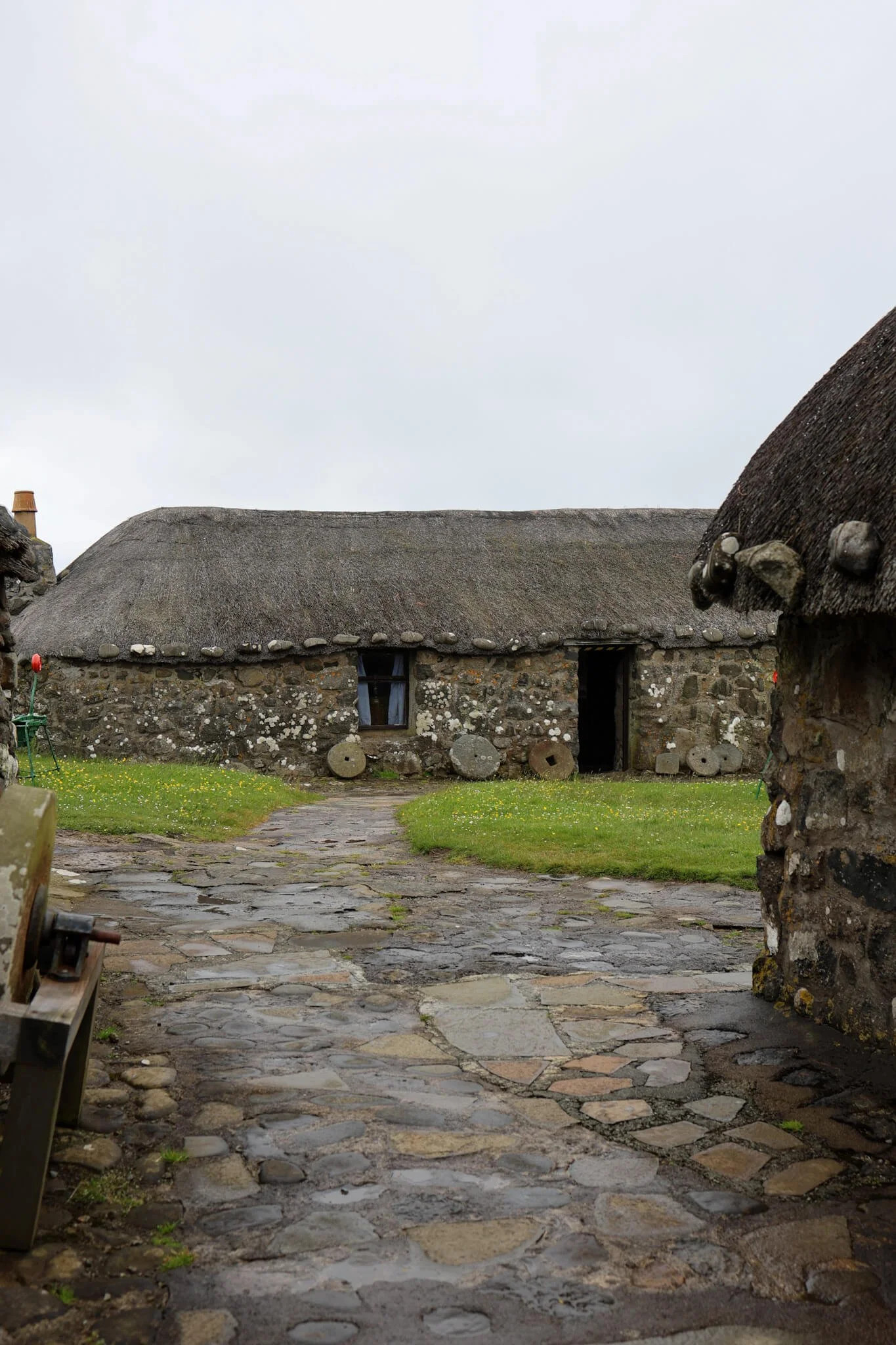
At first glance, the museum looks like a small village, with traditional black houses featuring thick stone walls and thatched roofs clustered around a green. You can see some of the houses from the car park, but stepping inside the grounds truly transports you back in time and is well worth the inexpensive entrance fee (£5).
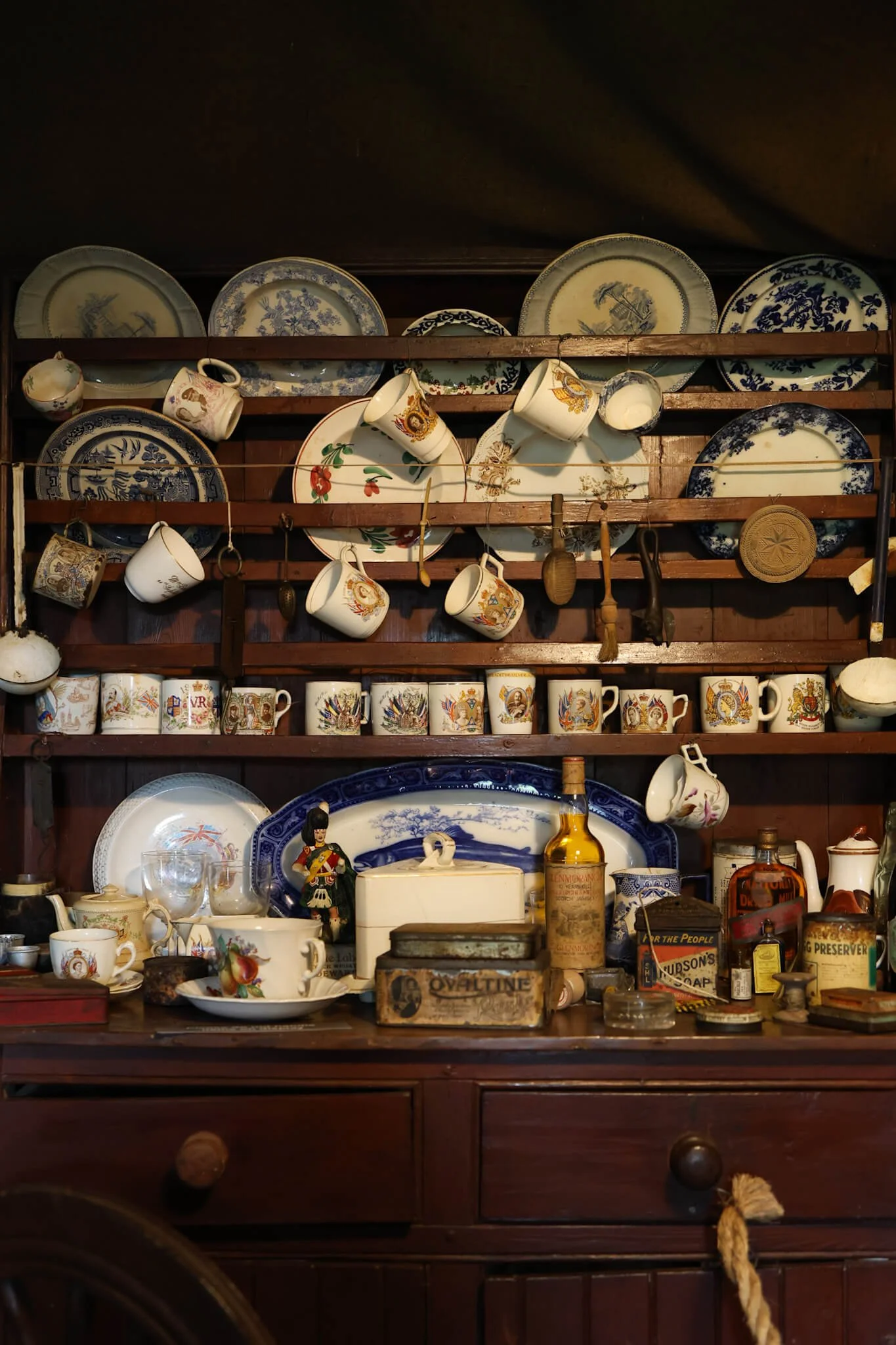
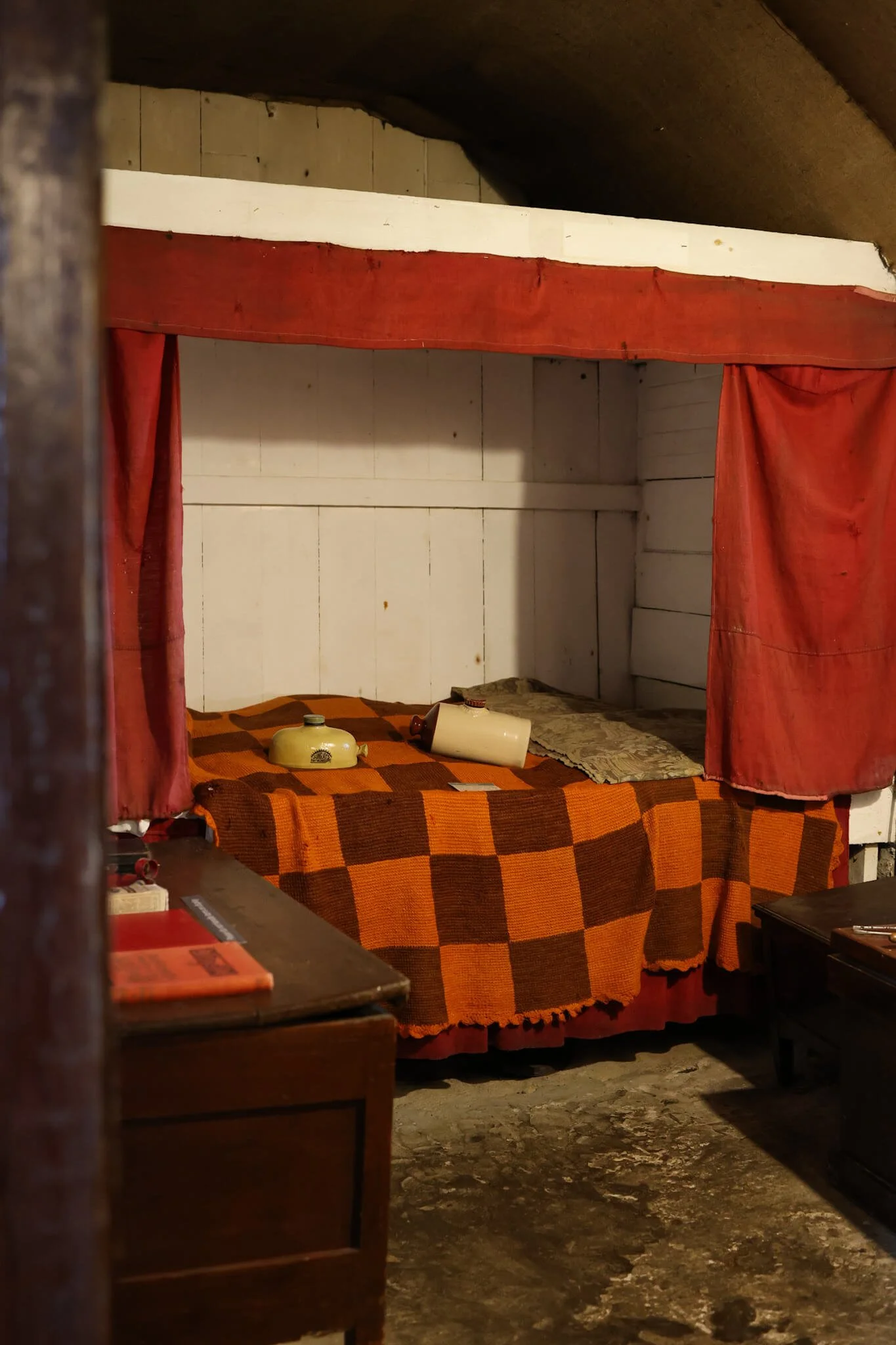
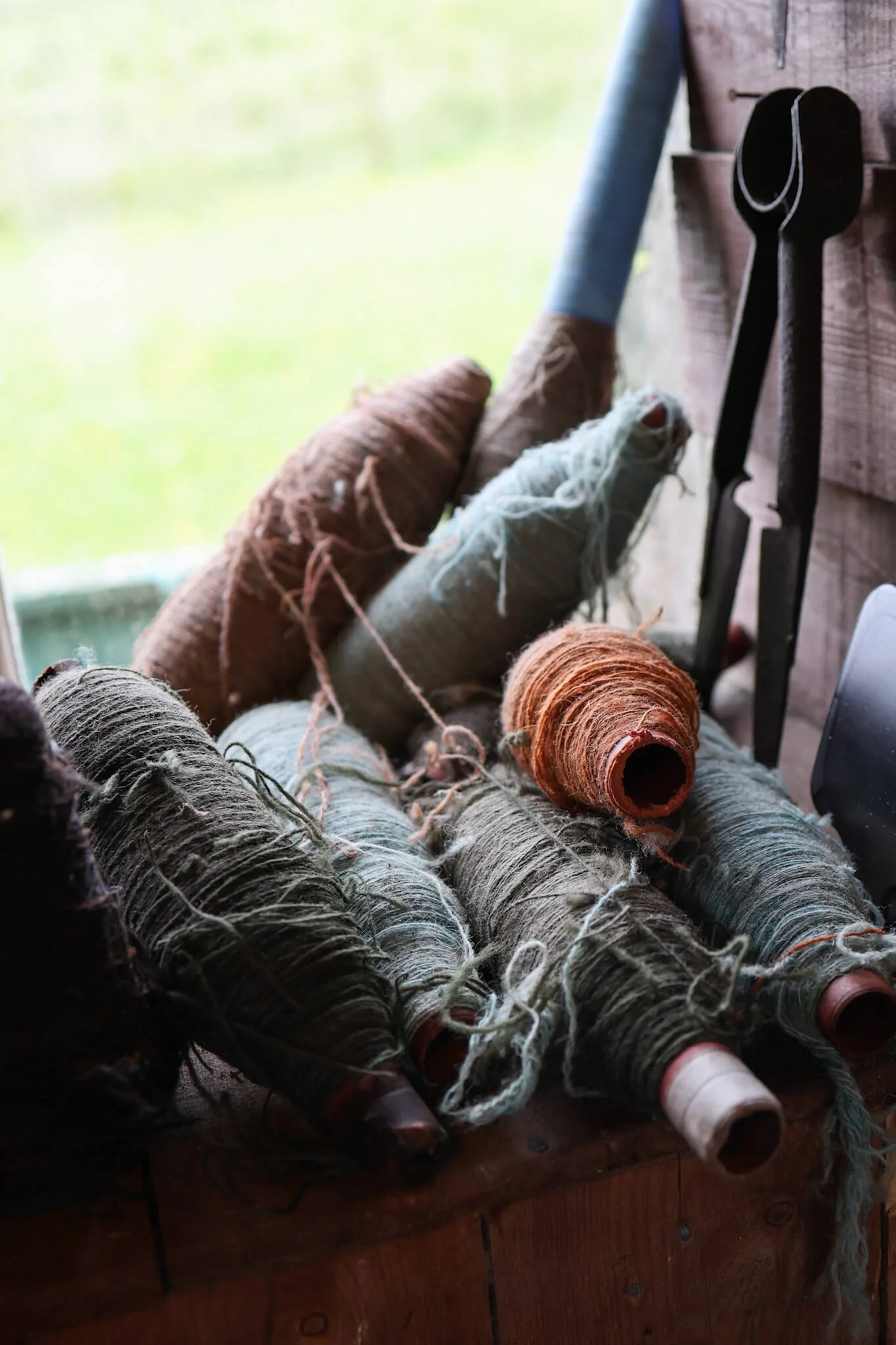
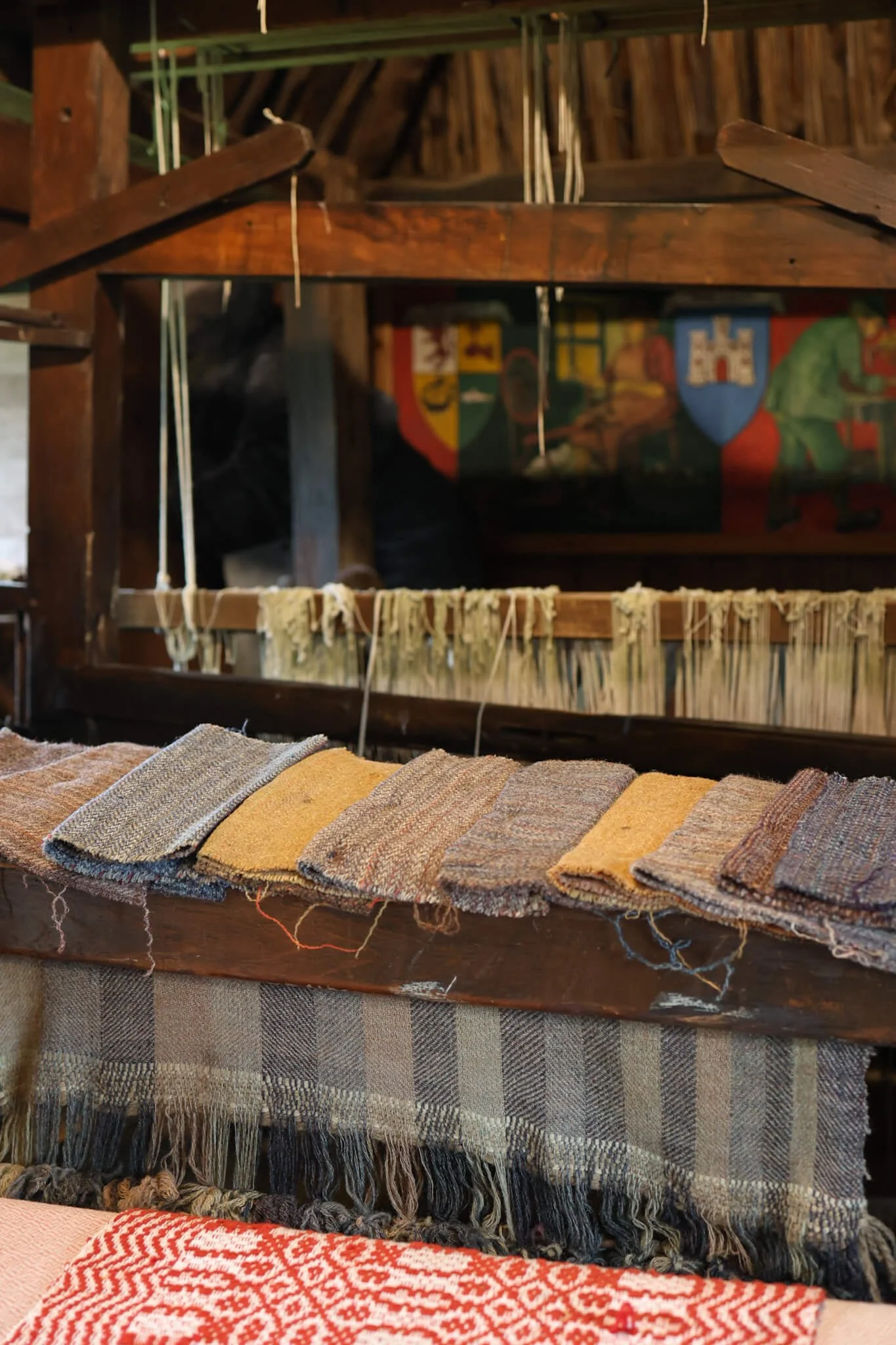
Wander between the cottages and explore inside to see how Skye’s crofters lived. Interiors are authentically furnished: peat fires, simple beds, woven blankets, weaving looms, and traditional tools.
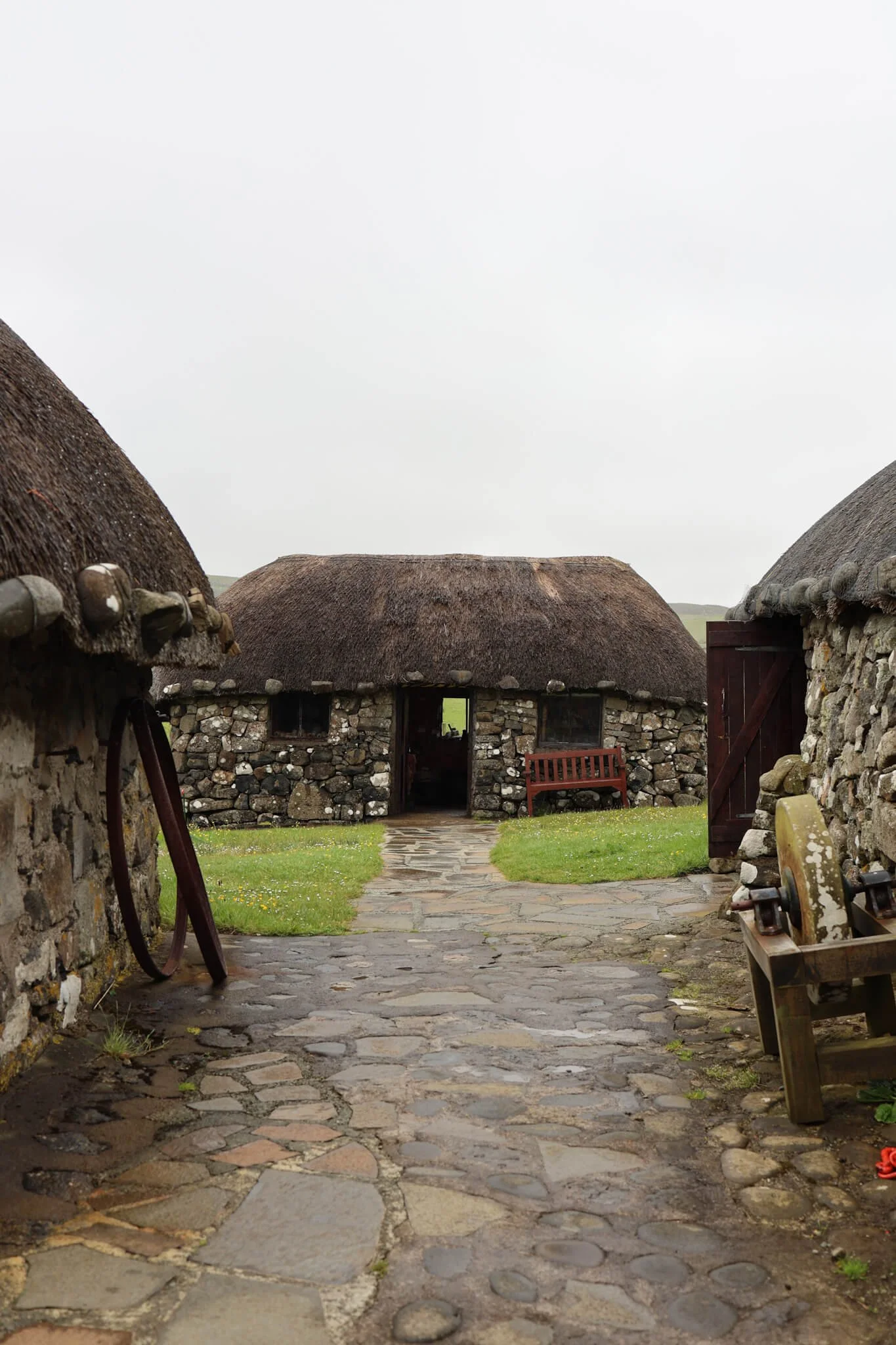
You’ll also discover the weaver’s cottage, the blacksmith’s workshop, the schoolhouse, and a local shop stocked with tins, brands, and produce from decades past.
The museum quietly conveys the challenges these crofters faced, making it a poignant and immersive experience. Decades of careful collecting and restoration are evident in every detail -from tweed jackets hanging in hallways to the anvil in the blacksmith’s workshop, to an old bottle of whisky in the kitchen.
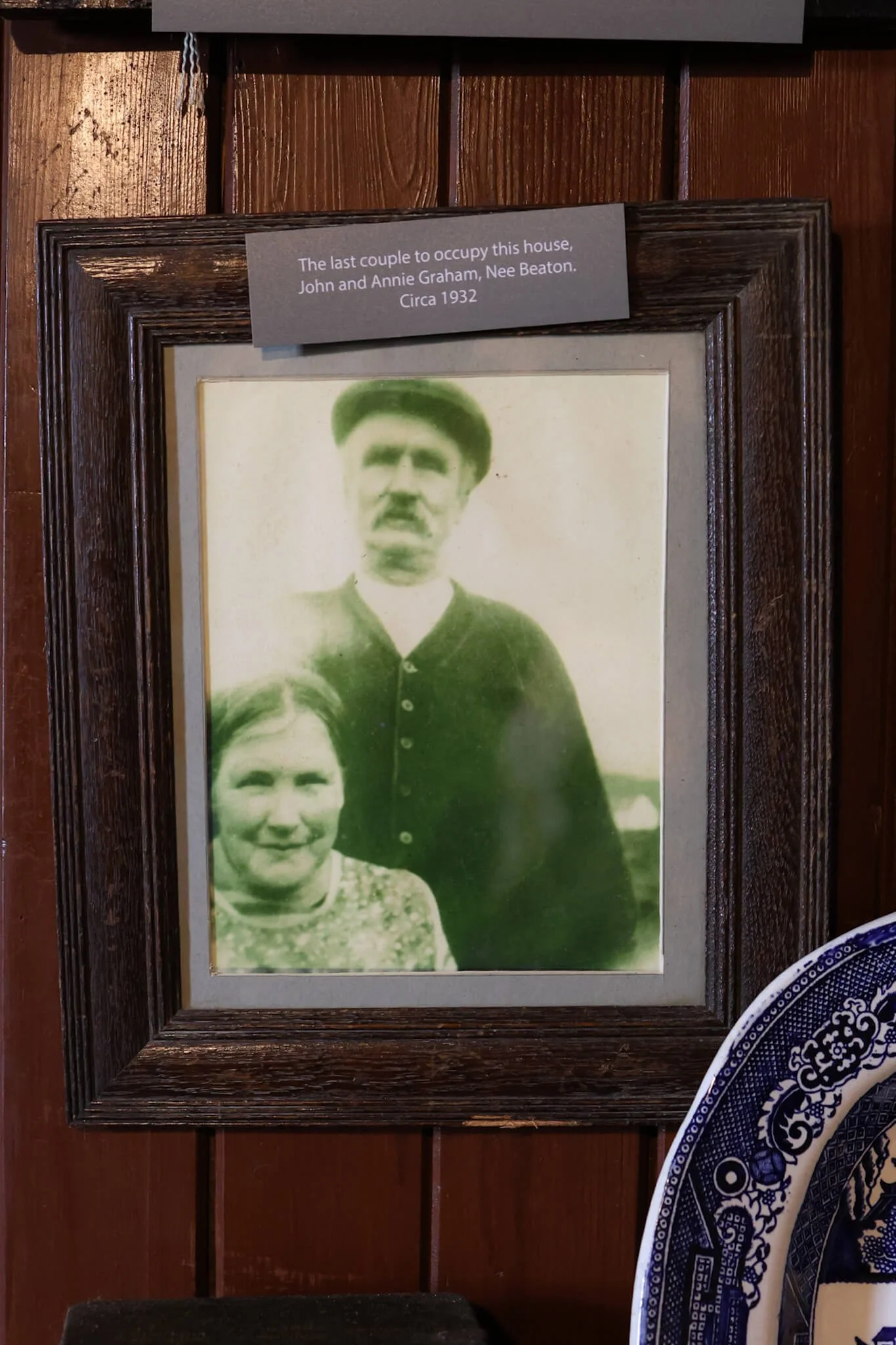
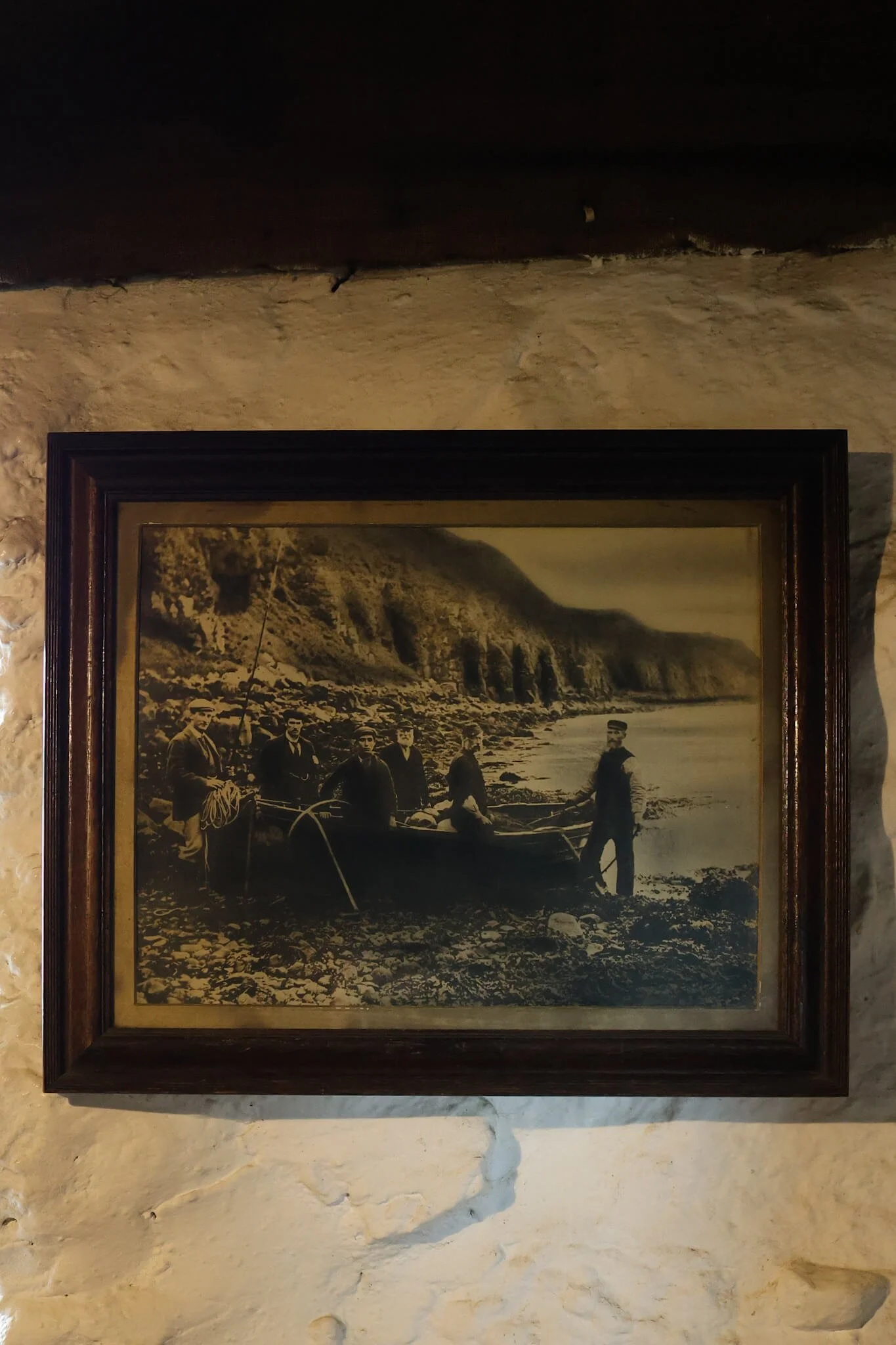
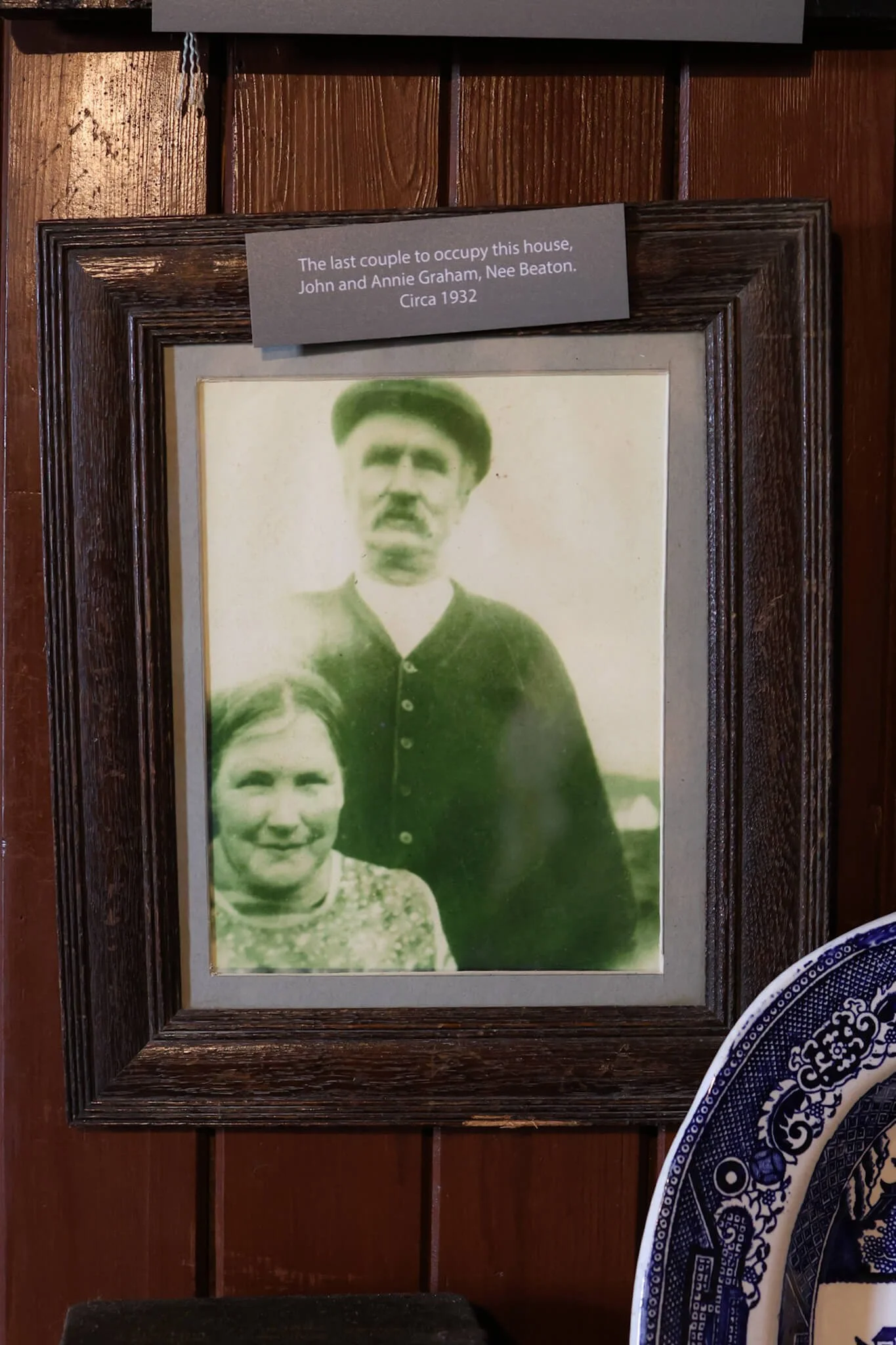
There are information boards, too, with old photos and curated collections of everything from local military regalia to Jurassic-age fossils uncovered on local beaches; history enthusiasts will want to linger longer.
Good to know
Opening months: April to October.
Car park: Small on-site parking available.
Entry: £5 per adult (cash preferred).
Amenities: public toilets and a small cafe.
Time needed: Around 30 to 45 minutes.