Dun Beag Broch, Isle of Skye | A Very Helpful Visitors Guide
Dun Beag Broch is one of those places that stays with you long after you’ve left. Quiet, weathered, and deeply atmospheric, it offers a powerful connection to Skye’s ancient past without crowds or fanfare.
Perched on a low hill above the west coast, this Iron Age broch feels worlds away from the castles and crofting ruins more commonly associated with the island - older, rawer, and shaped entirely by land, sea, and survival.
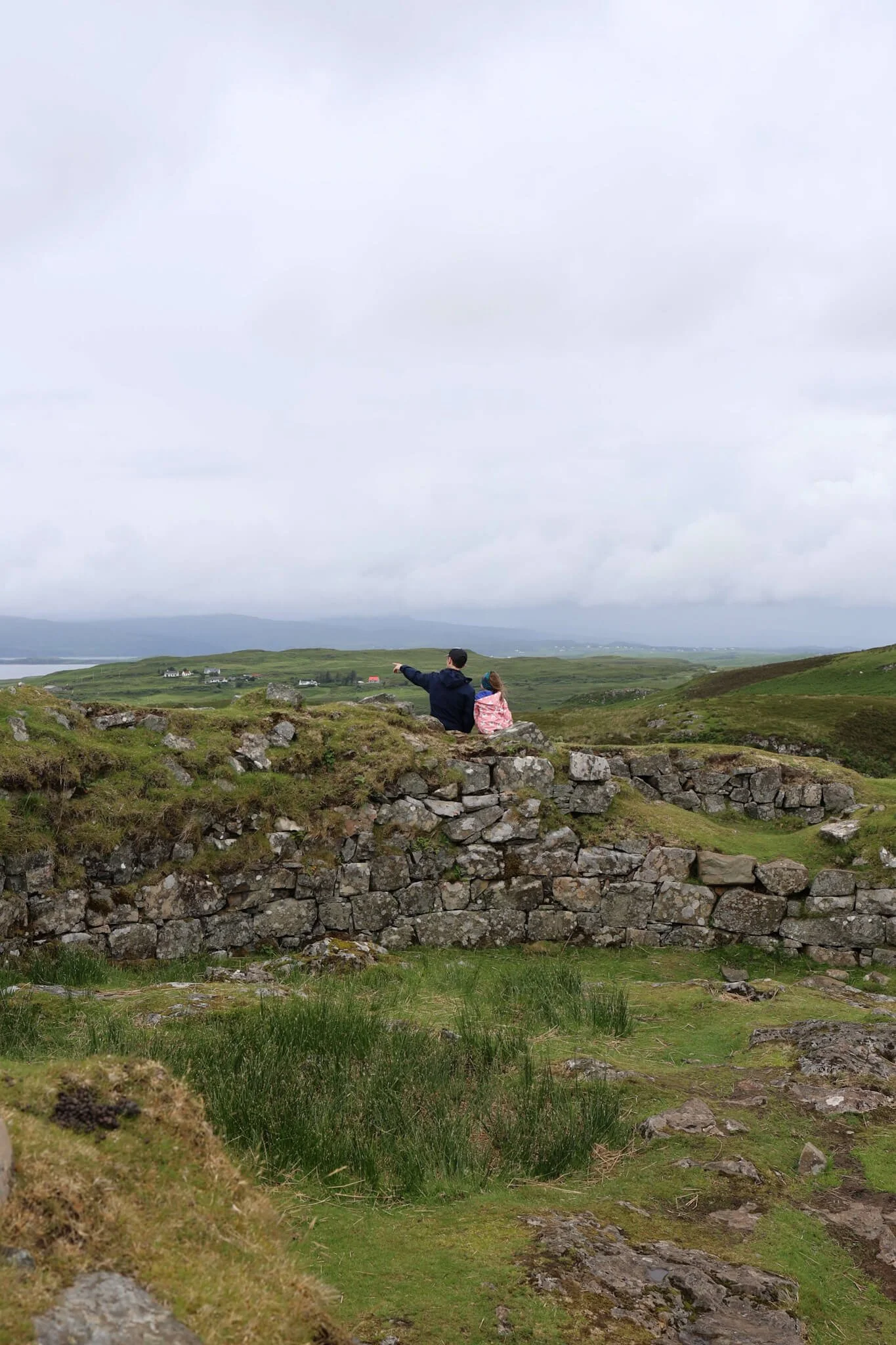
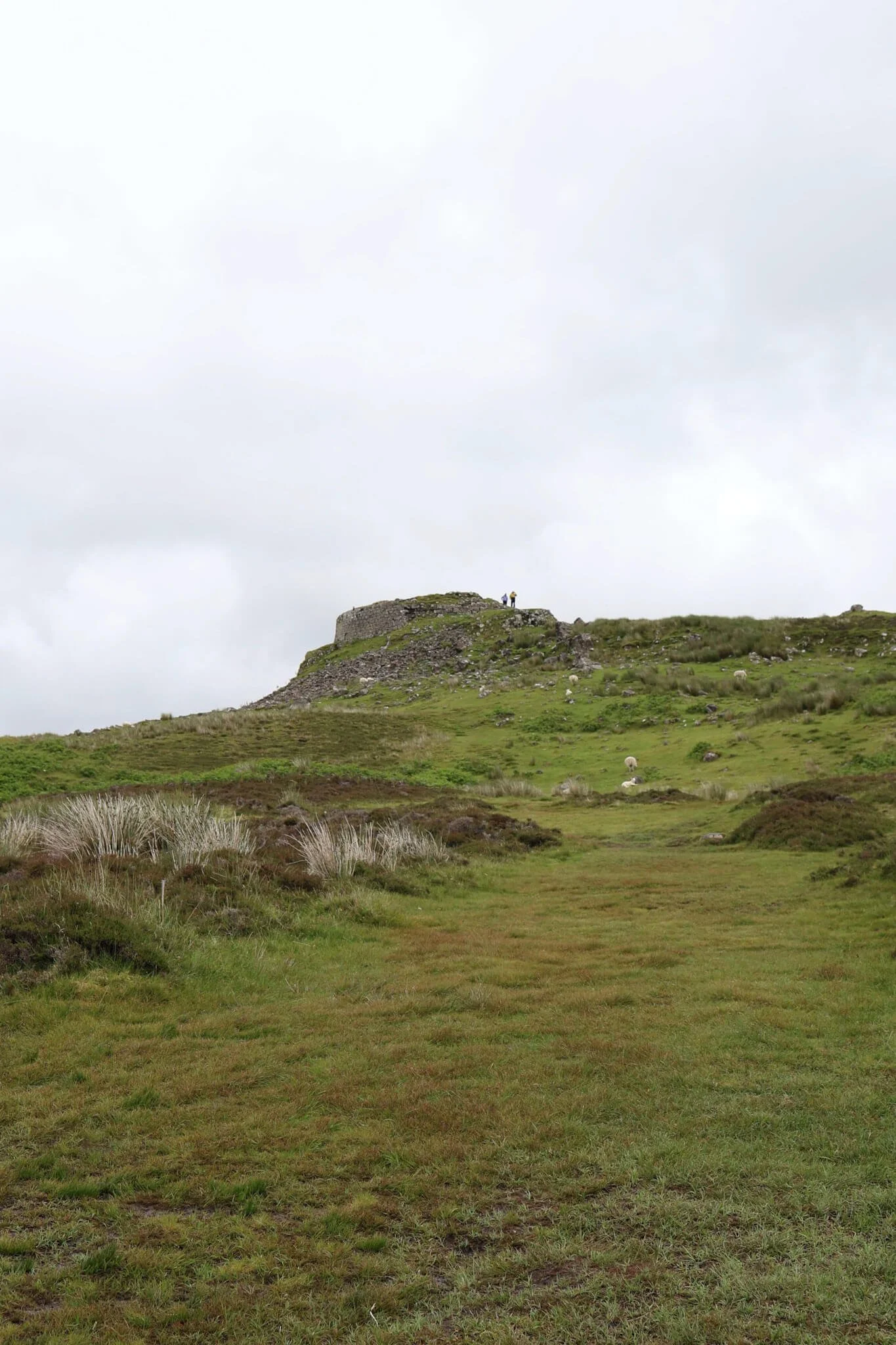
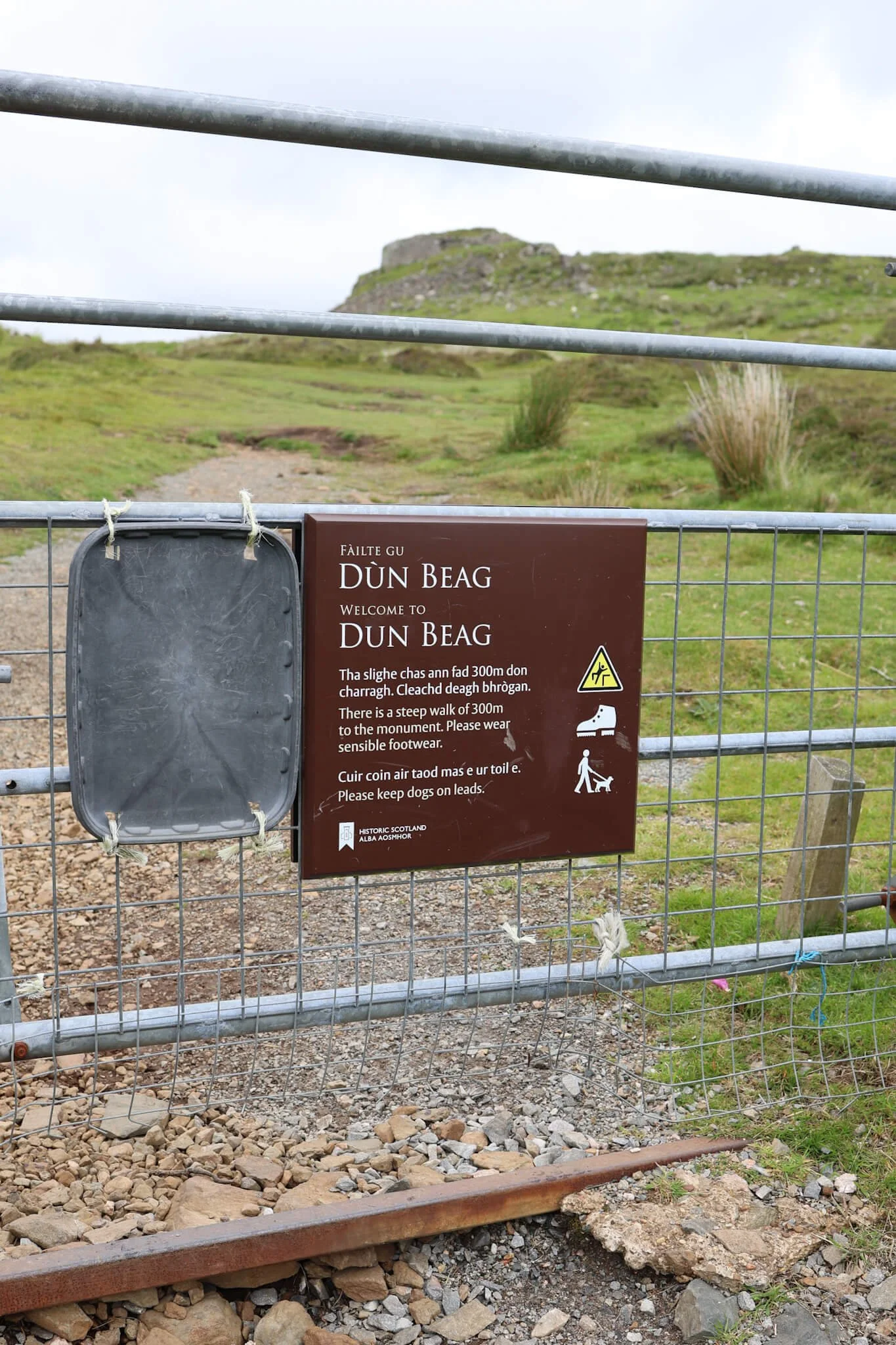
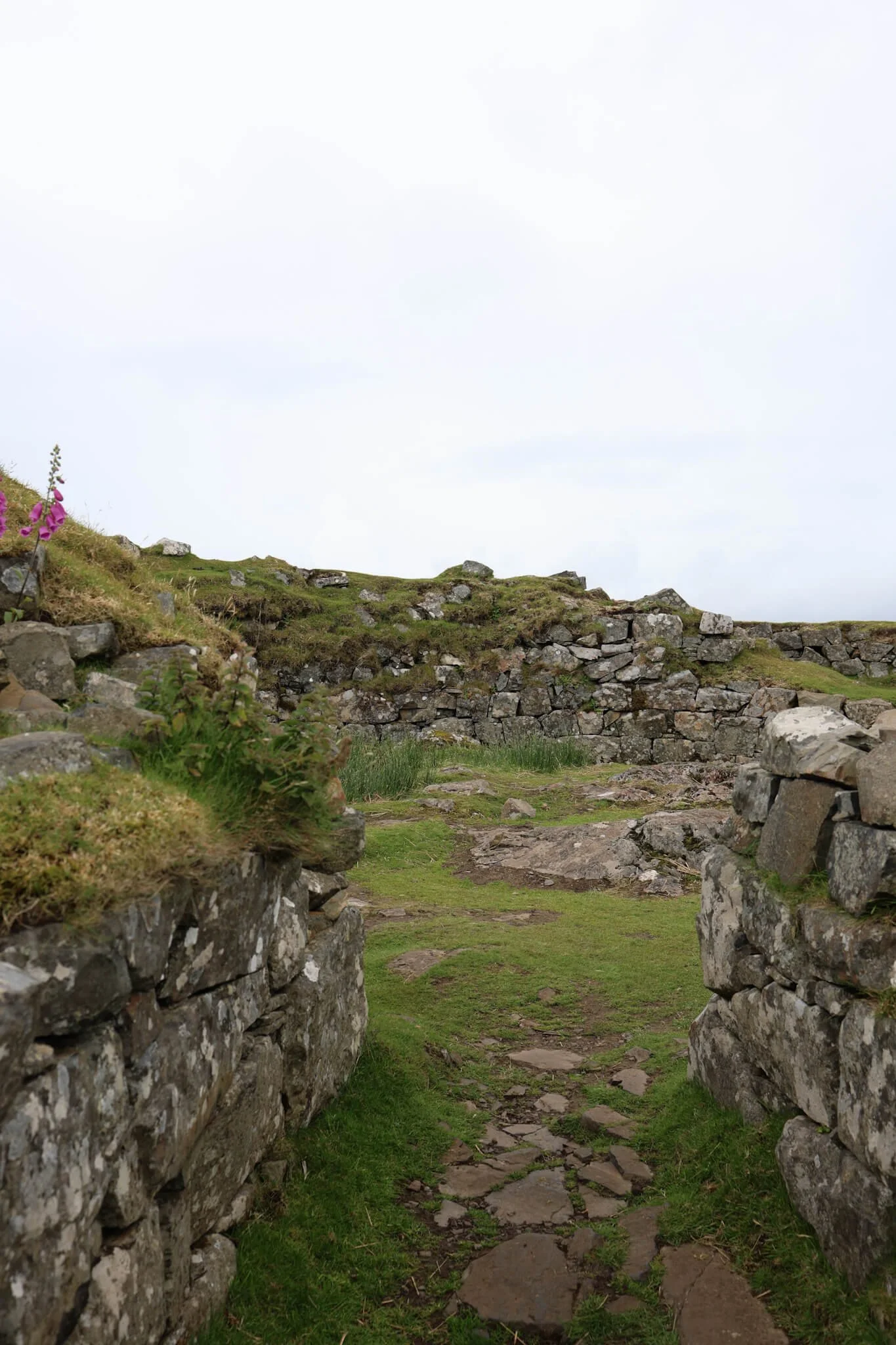
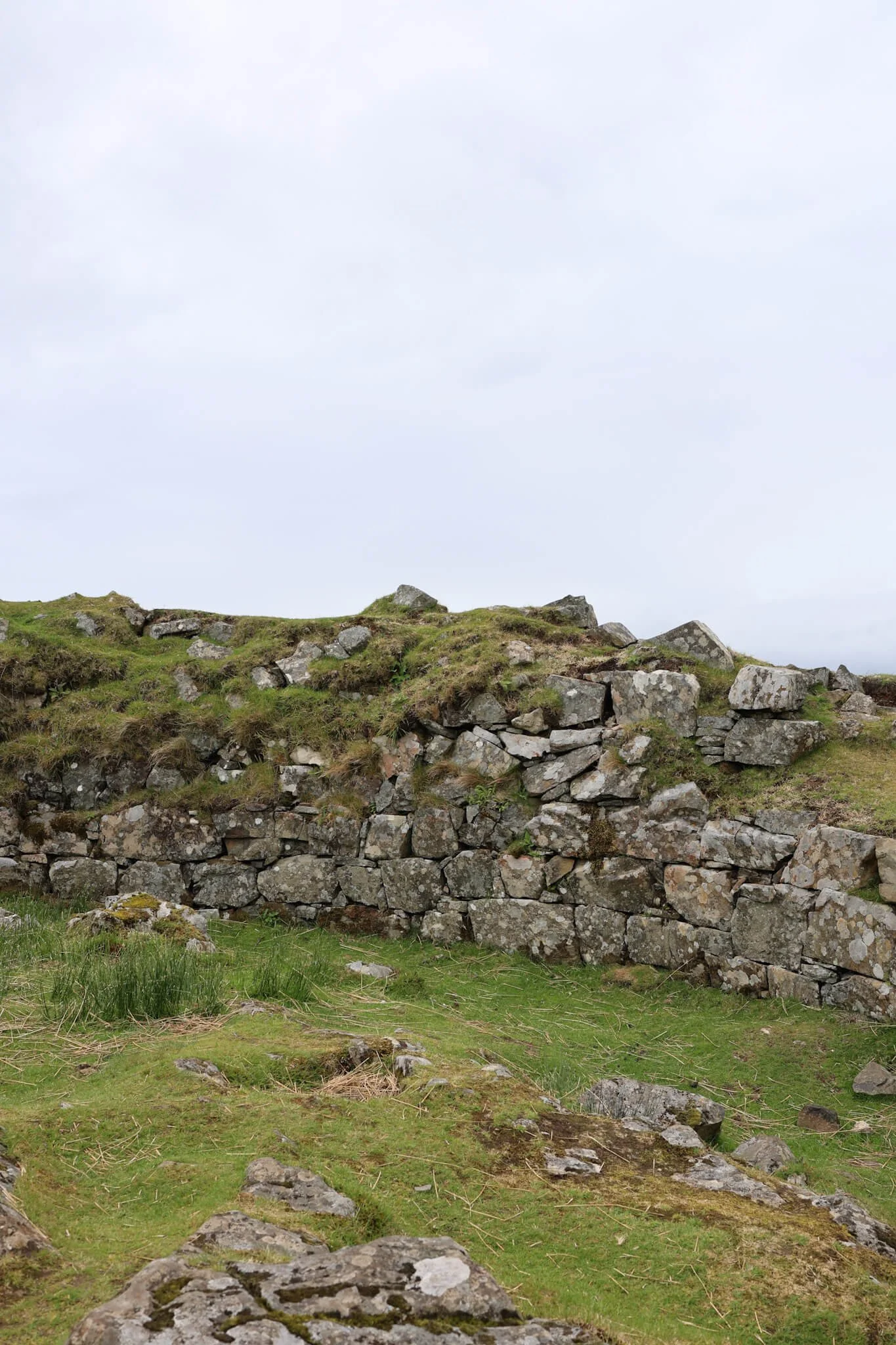
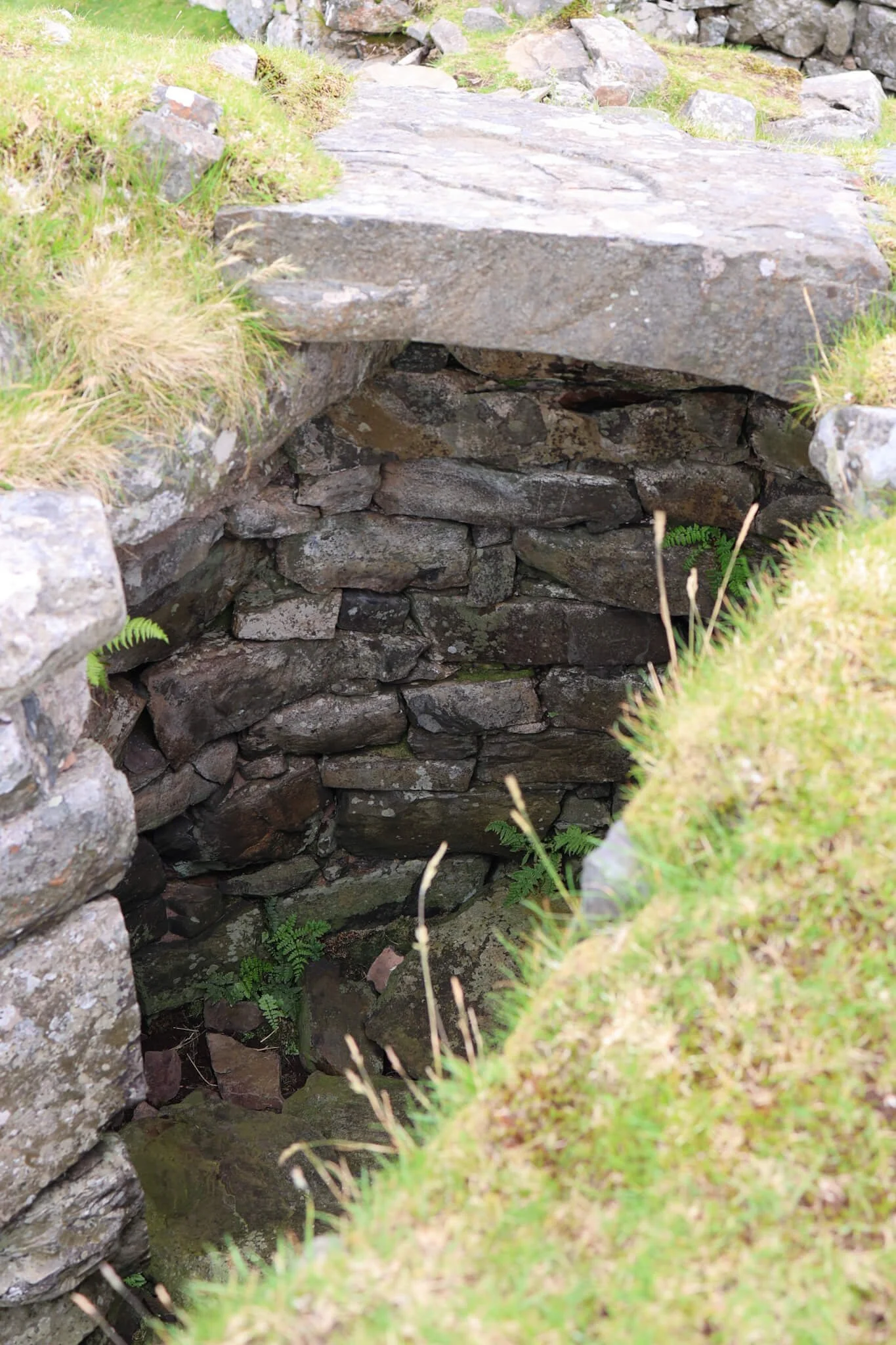
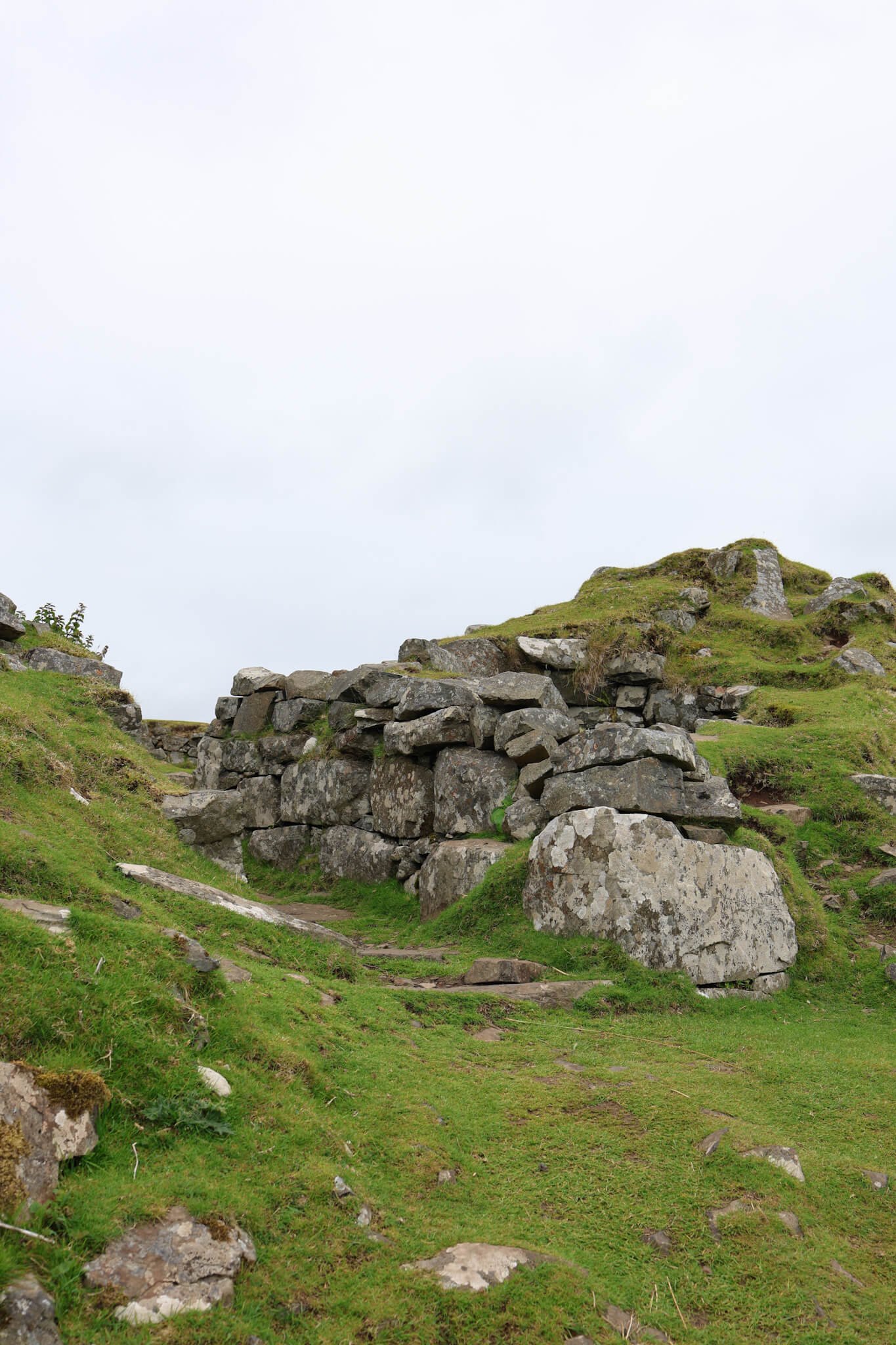
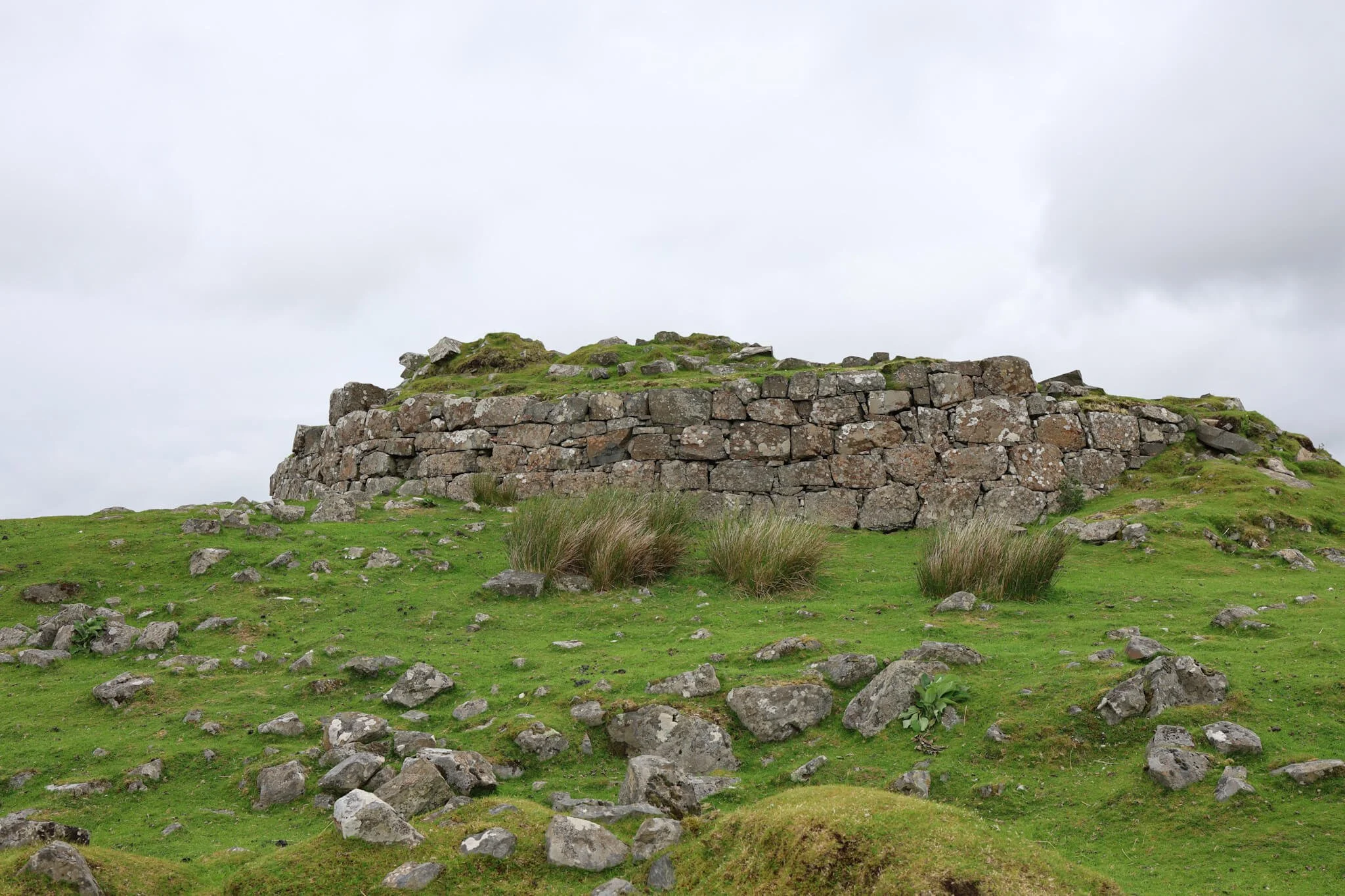
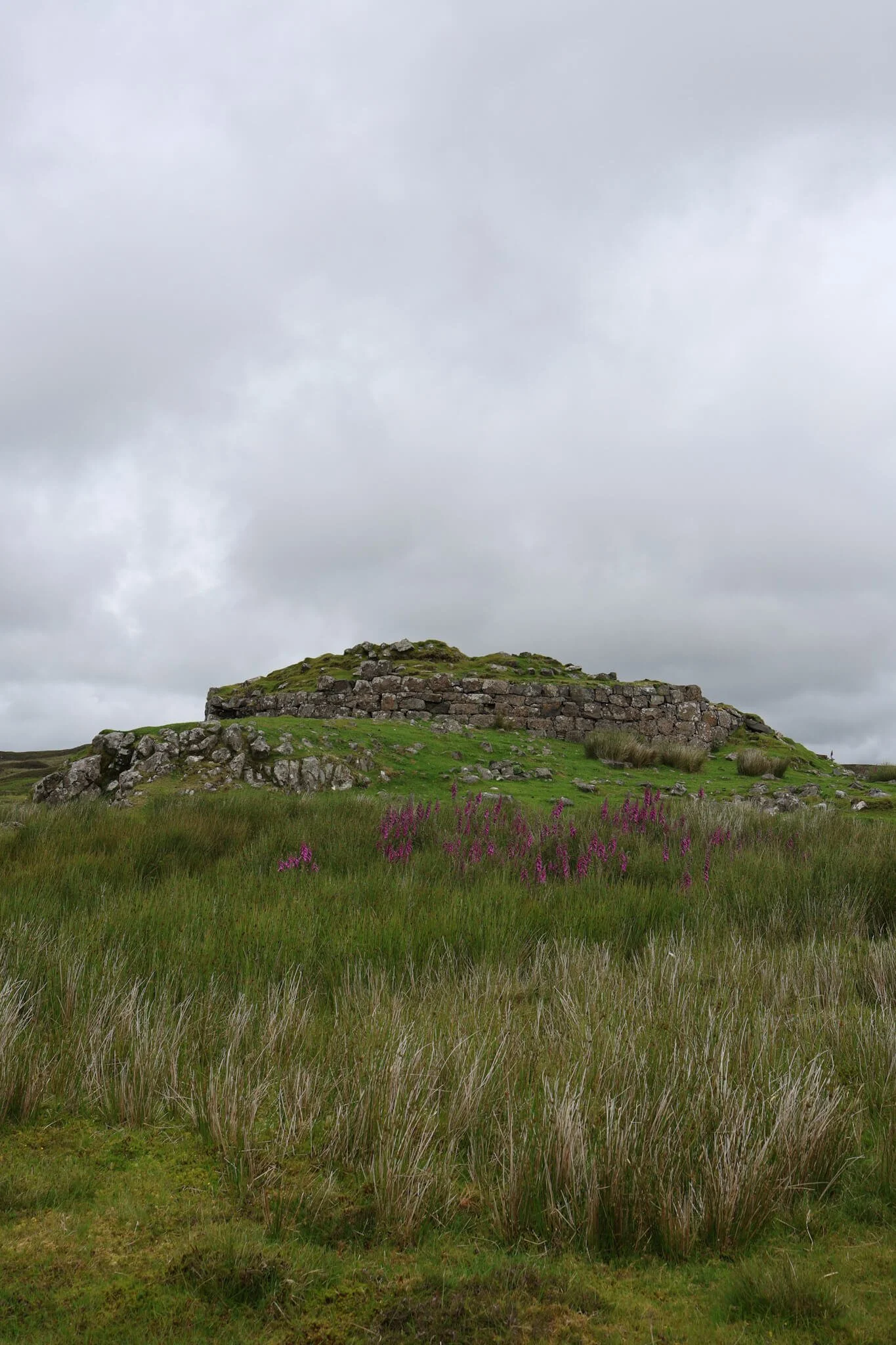
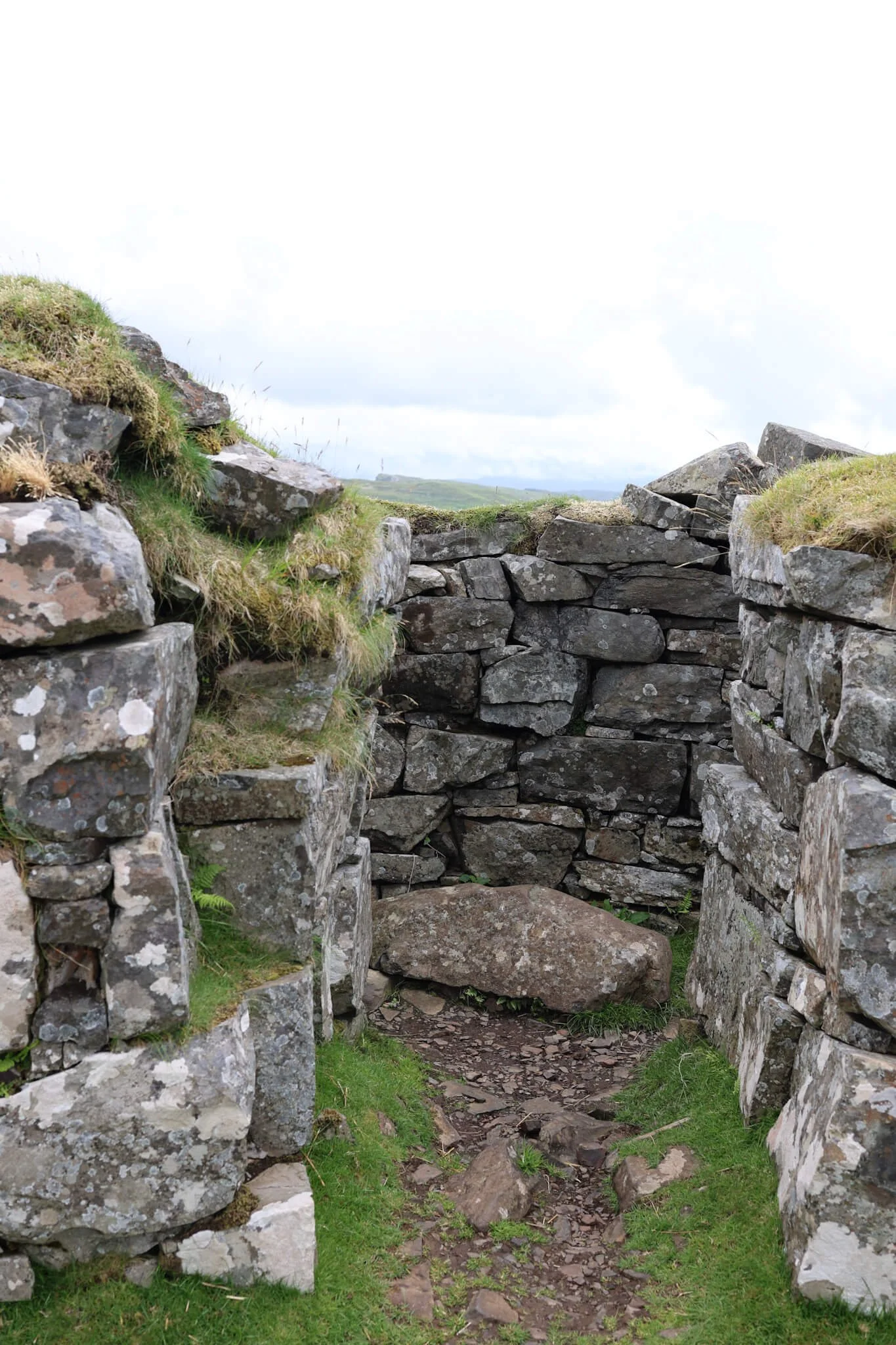
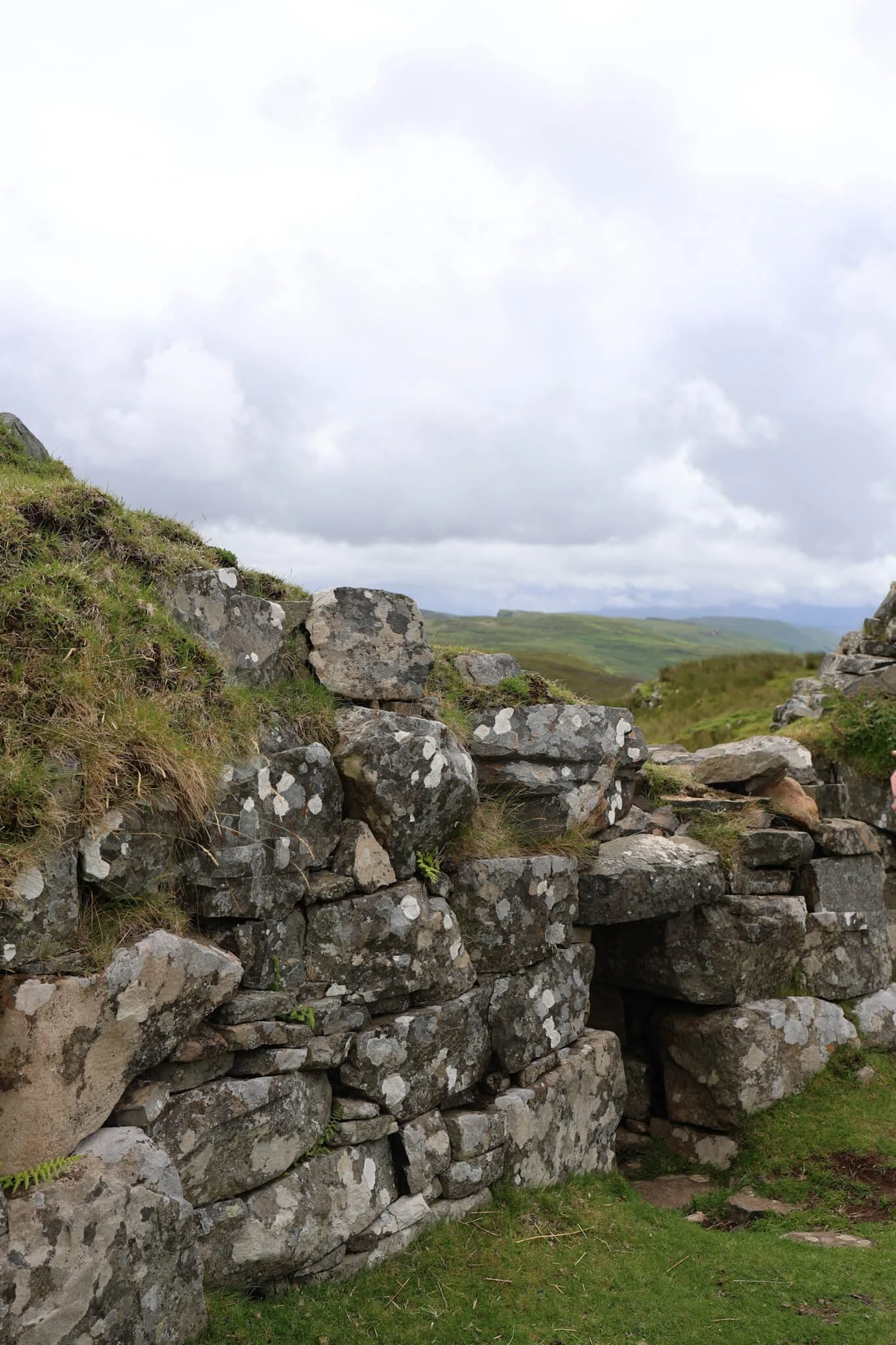
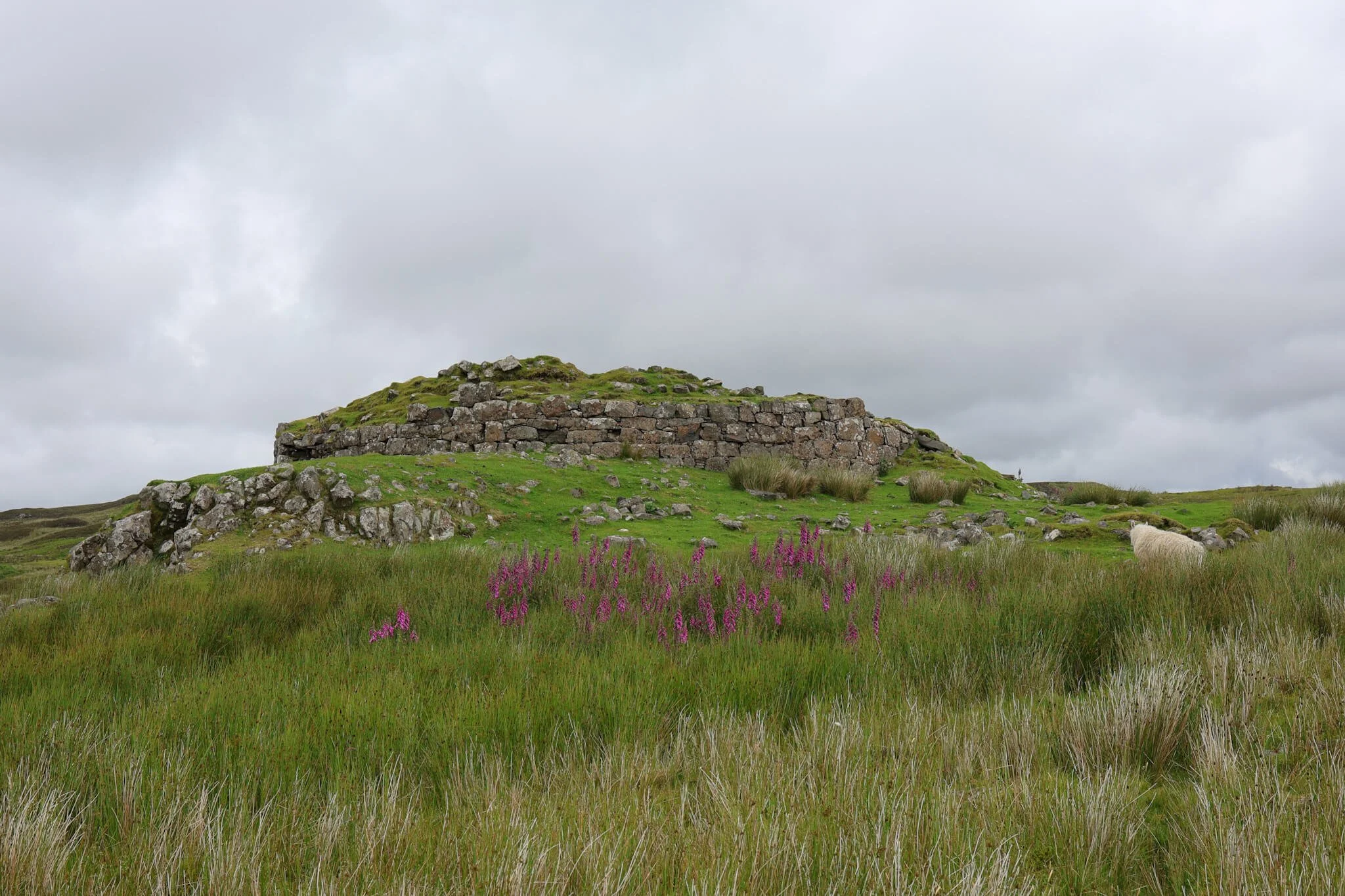
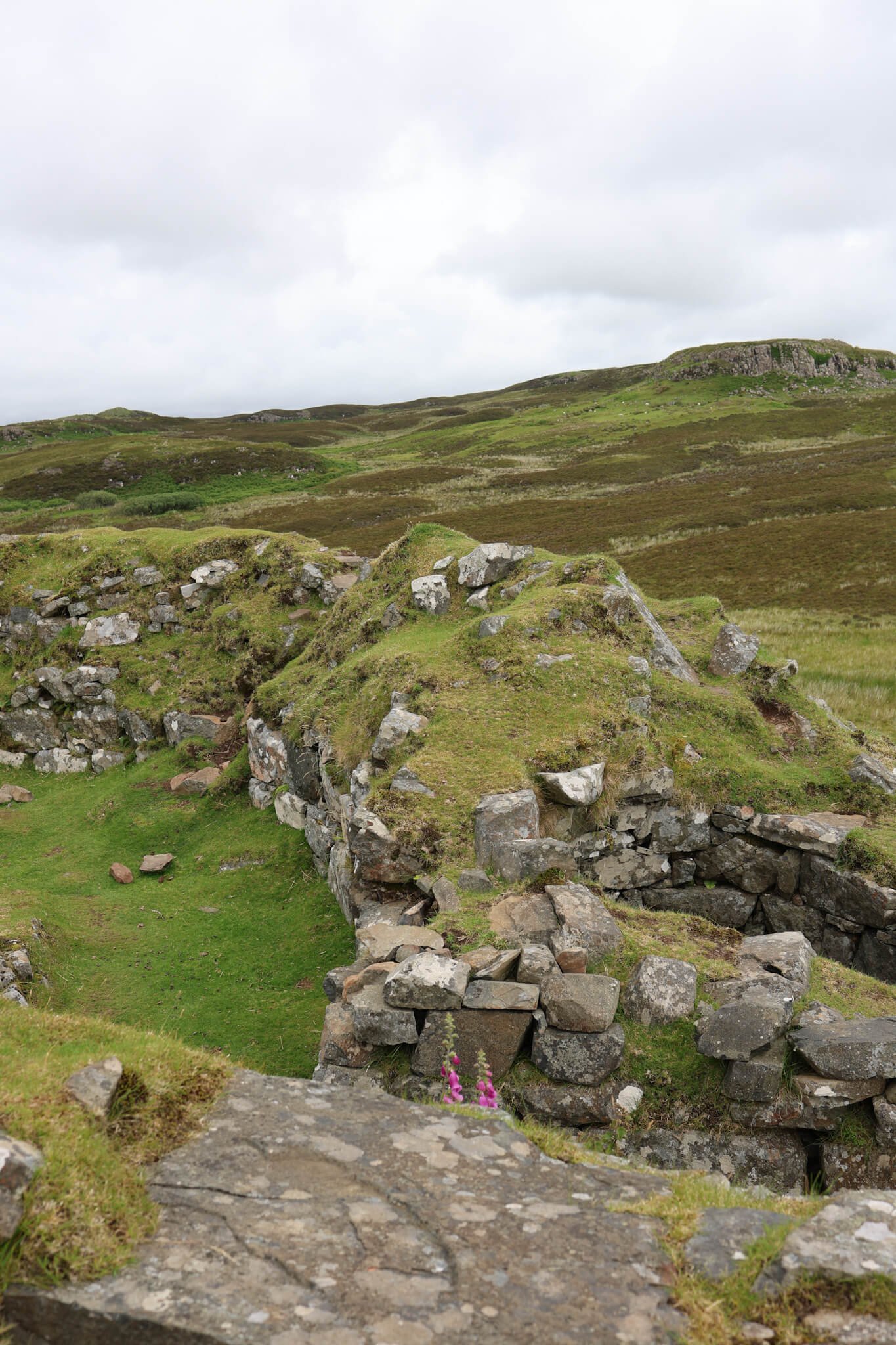
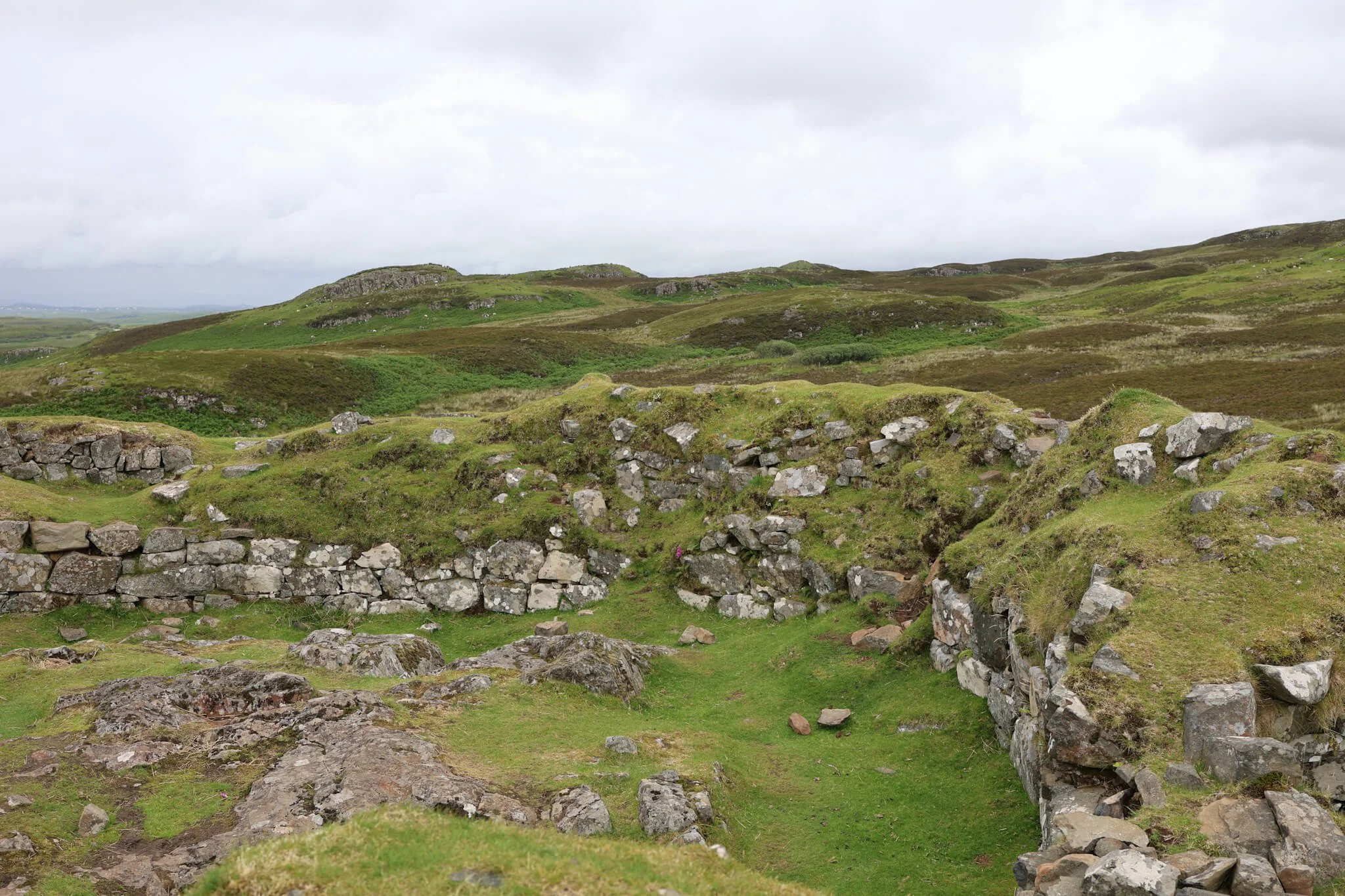
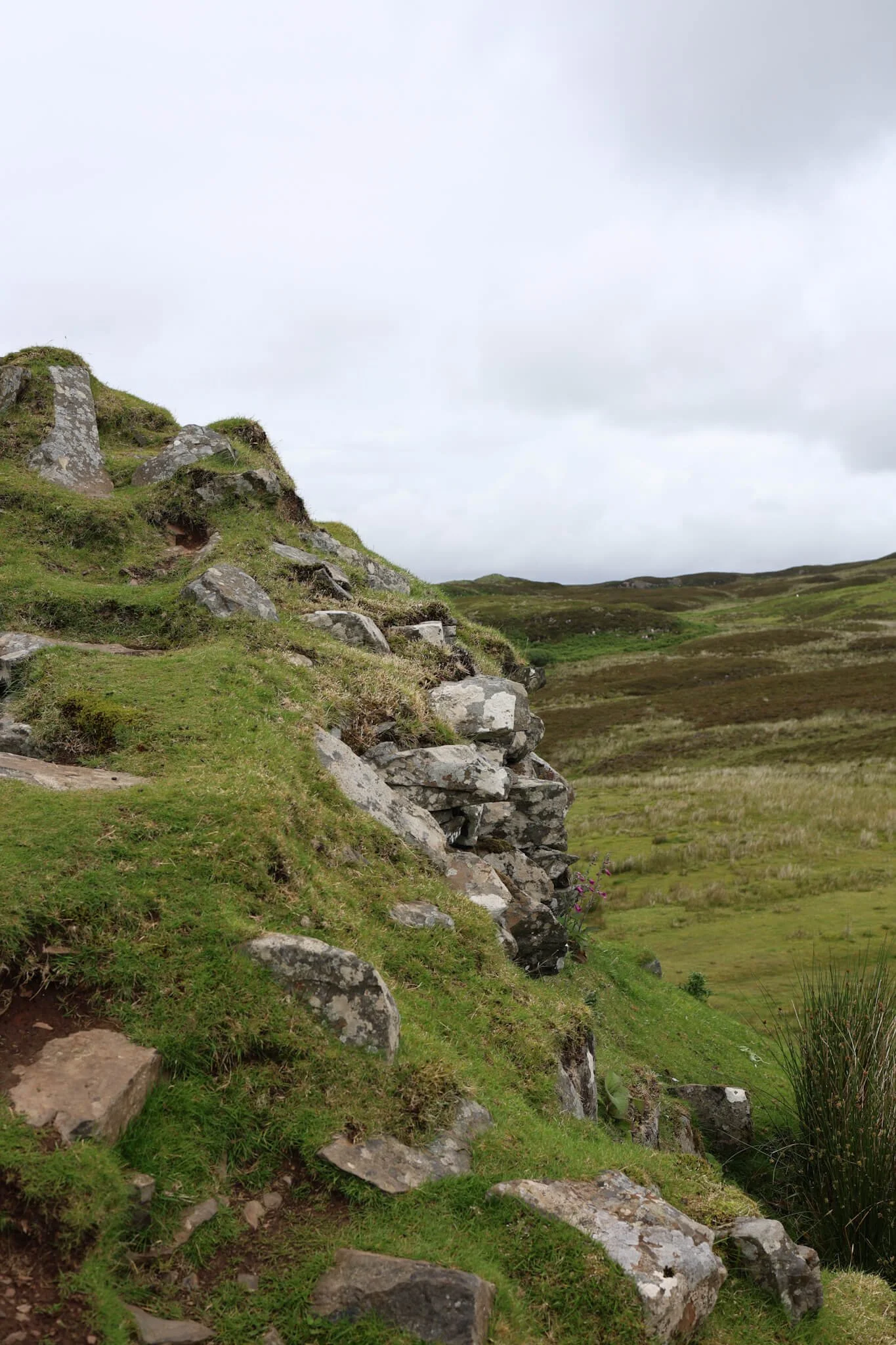
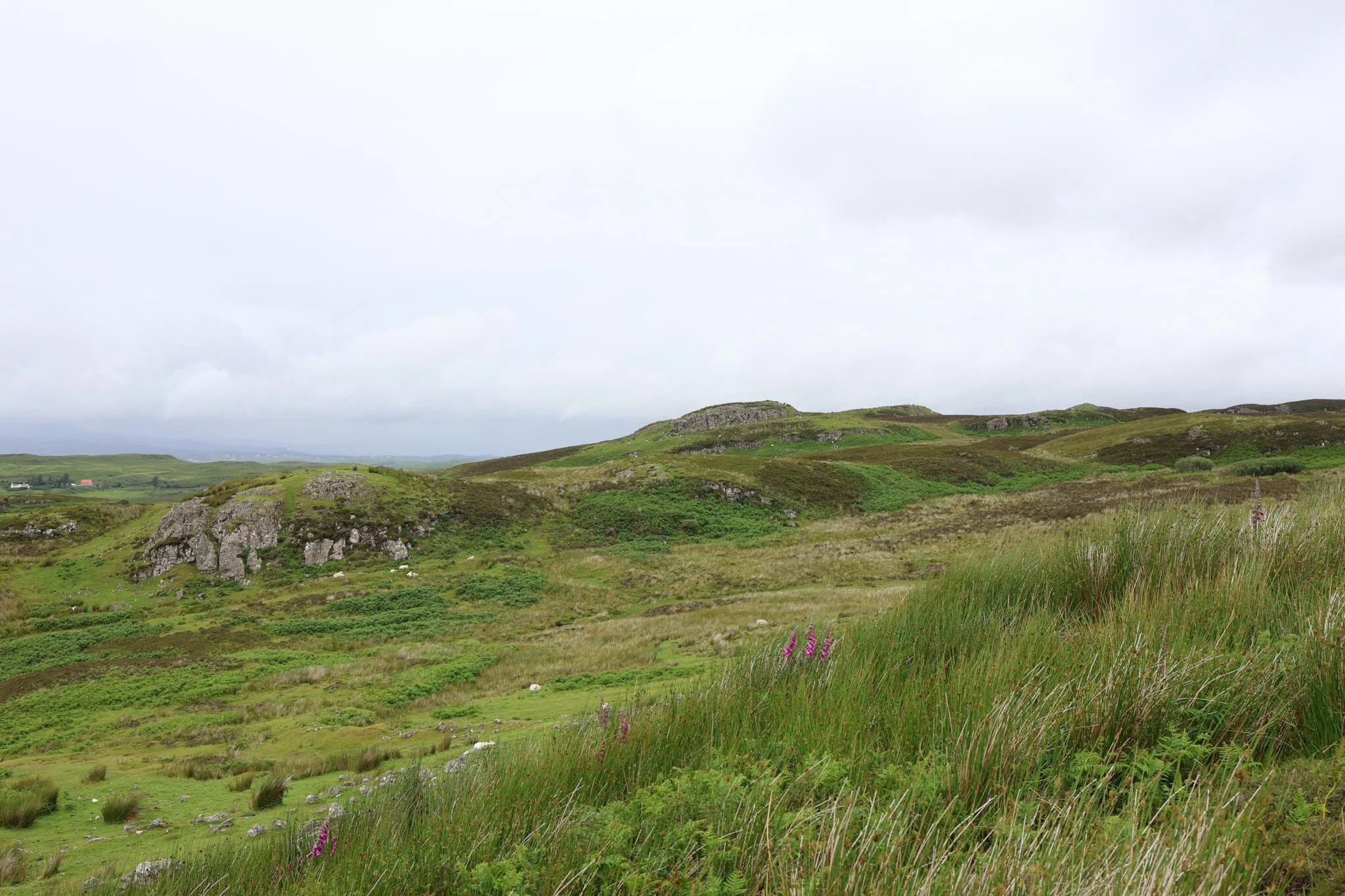
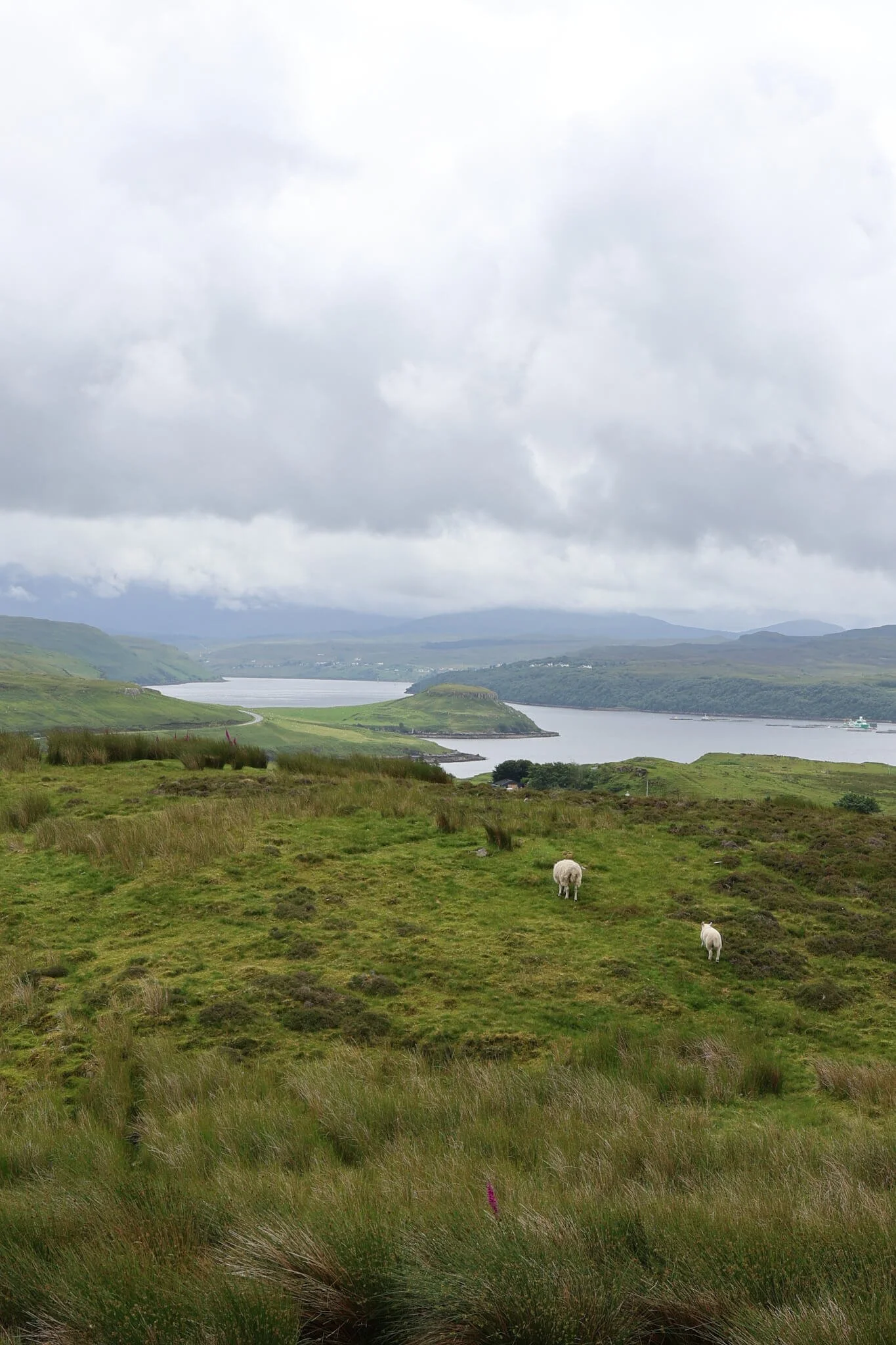
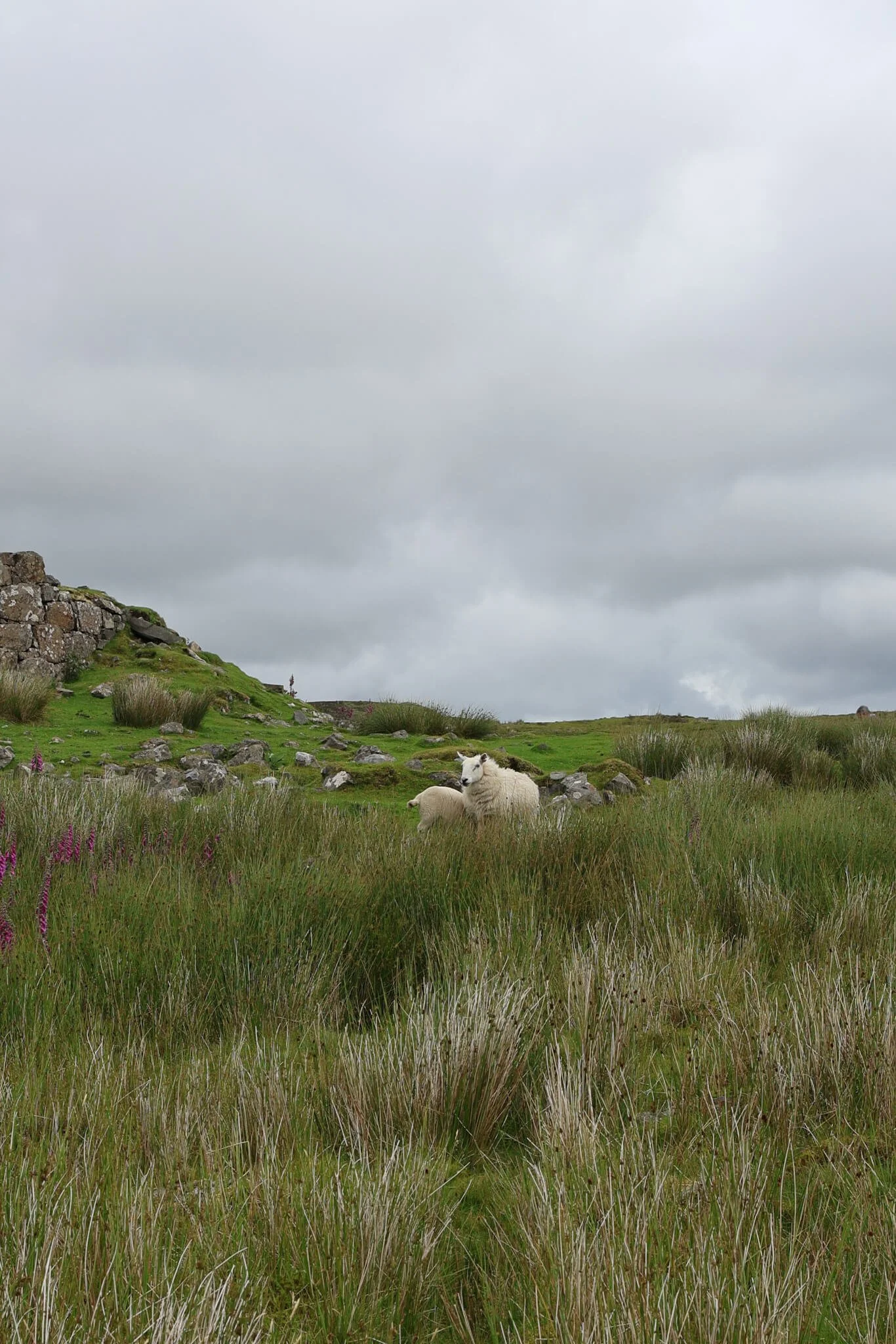
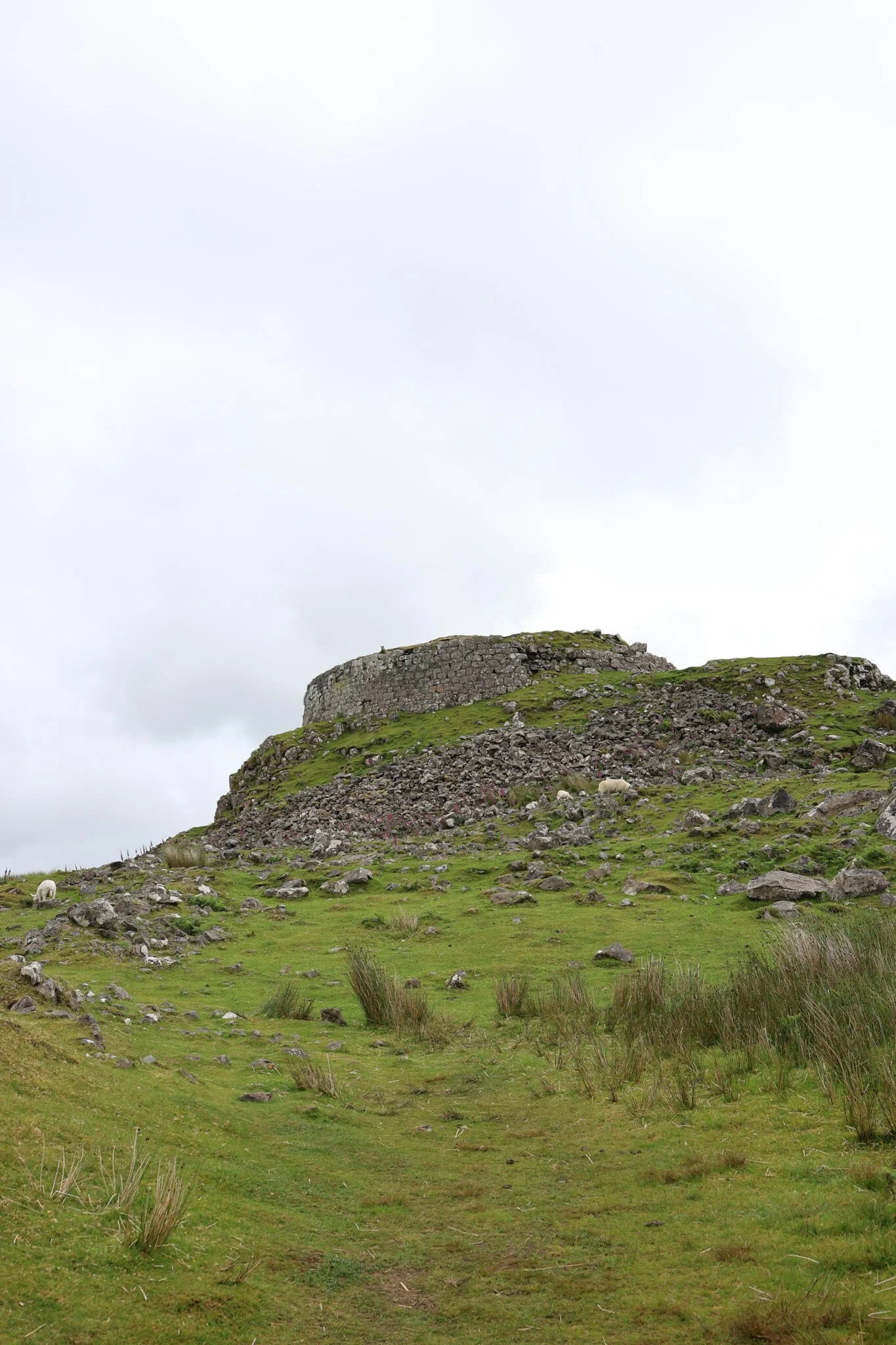
It makes a brilliant short stop as you travel south from Dunvegan along the A863, especially if you’re moving between the island’s better-known sights. We loved the stillness here: the sense of standing somewhere that has quietly watched centuries pass, with only the wind and the wide views for company.
What Is Dun Beag Broch on Skye?
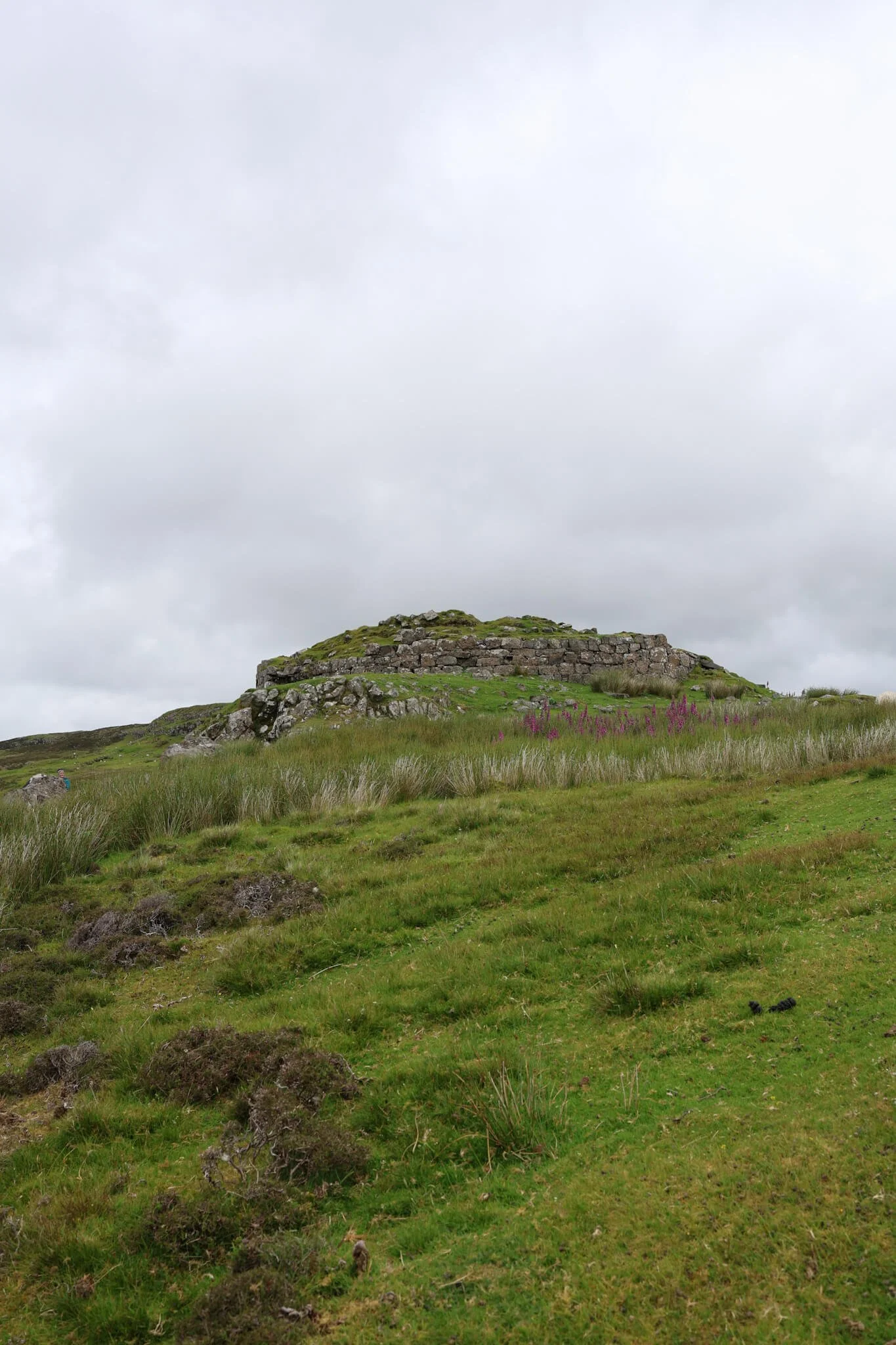
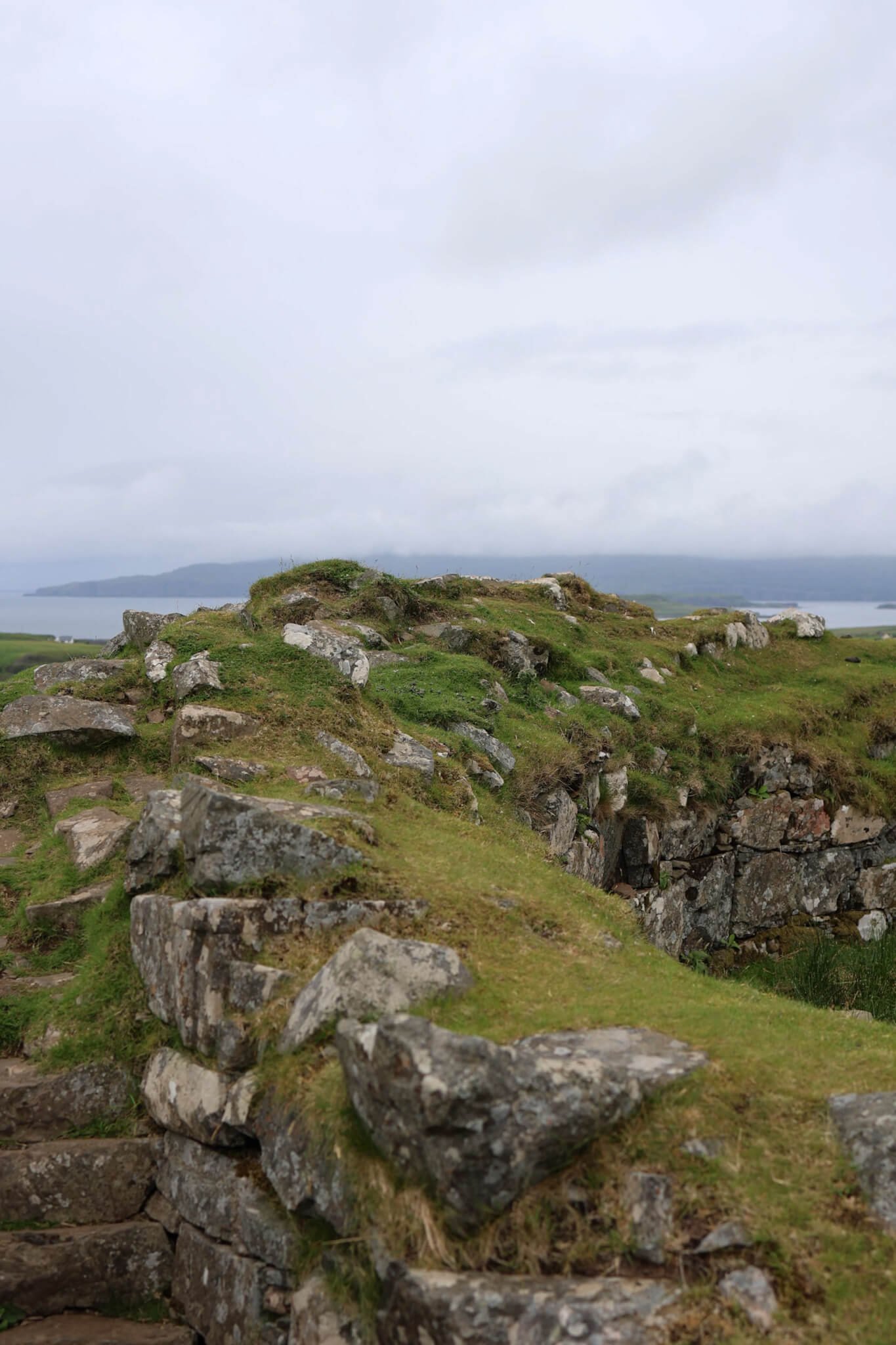
Dun Beag is one of the best-preserved Iron Age brochs on Skye, dating back around 2,000 years. These drystone towers were once defensive homes, status symbols, and places of refuge - remarkable feats of engineering built without mortar.
Set above Loch Bracadale, the broch’s thick stone walls and commanding position give a real sense of why this location mattered. From the top, the views stretch across water and coastline, creating a striking contrast to Skye’s later historic sites.
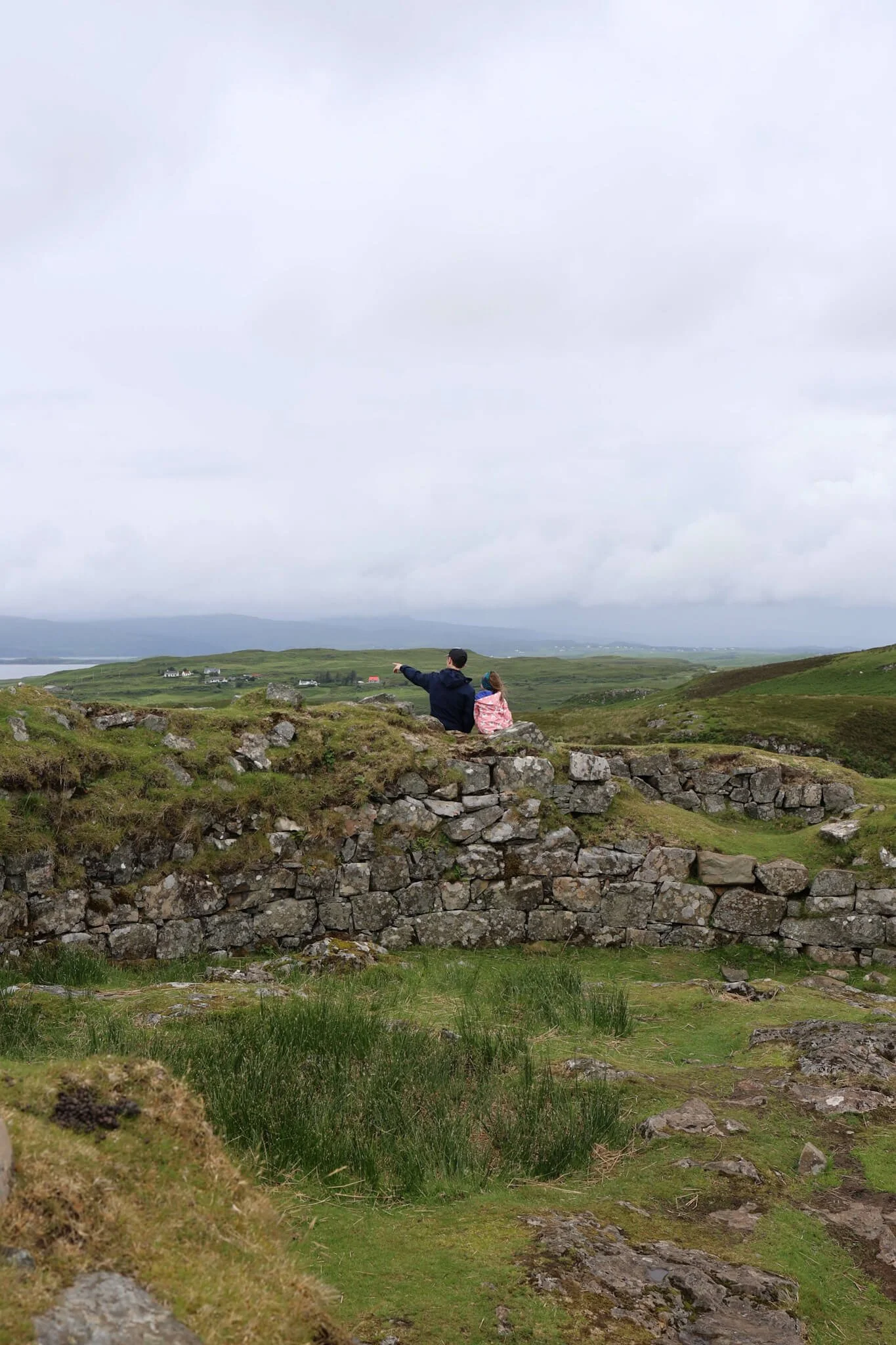
Where Is Dun Beag Broch on Skye?
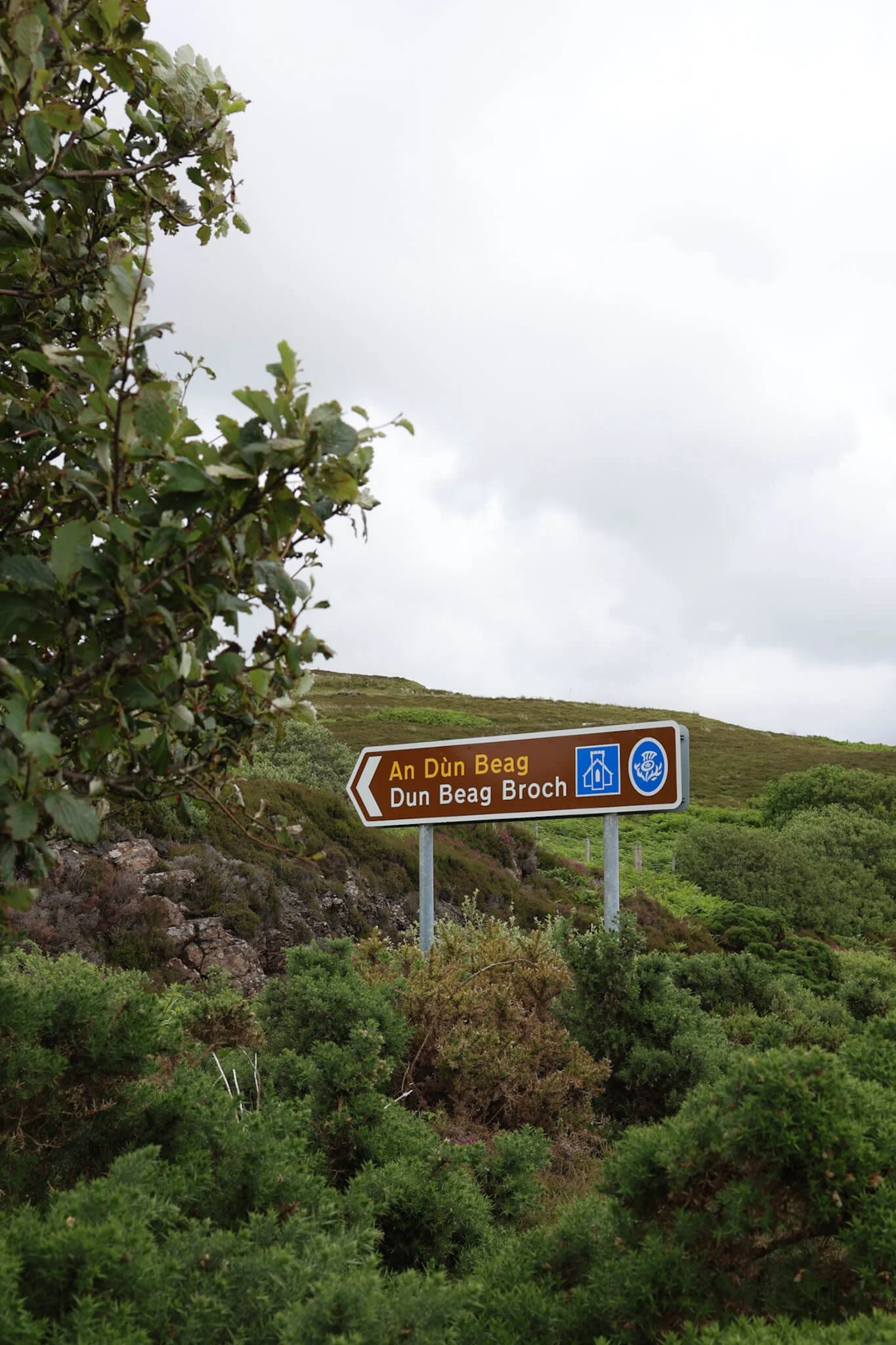
Dun Beag Broch lies just south of Struan, beside the A863 on Skye’s west coast. Look for the small brown heritage sign and a lay-by on the inland side of the road; it’s easy to miss if you’re not watching for it.
This stop fits beautifully into a Dunvegan–Struan–Carbost route, or as part of a slower west Skye loop.
In Gaelic
In Gaelic, the broch is known as Dùn Beag, meaning Little Fort. Like many Skye place names, it’s simple, descriptive, and rooted firmly in function, and a reminder that this was once a lived-in, working stronghold rather than a romantic ruin.
Good to Know Before You Visit
From the lay-by, it’s a 10-minute walk up a grassy, short but steep path to the broch.
Allow 30–45 minutes to explore the structure and take in the views.
The path up to the broch is grassy and uneven, and can be slippery after rain.
There are no facilities or interpretation panels on site; we think arriving with a little context enhances the experience.
The broch is fully exposed, so it can be windy even on calm days.
The broch is now part of a working croft; take care not to disturb the sheep and keep dogs on leads.
Nearby Detours Worth Considering
If you have time, the tidal island of Oronsay is a rewarding nearby detour. The walk across the sandy bay via the causeway is straightforward at low tide, but be sure to check tide times carefully before setting out.
For something more indulgent afterwards, stop for a coffee at Bog Myrtle nearby. This cosy café is well worth the pause, and its island-roasted coffee, generous home baking, and quirky interiors make it a perfect contrast to the stark simplicity of the broch.
Dun Beag isn’t a long stop, but it’s a meaningful one. A place to slow down, take in the landscape, and feel the deep history woven into Skye’s quieter corners.
