The Fairy Bridge, Skye | A Very Helpful Visitors Guide
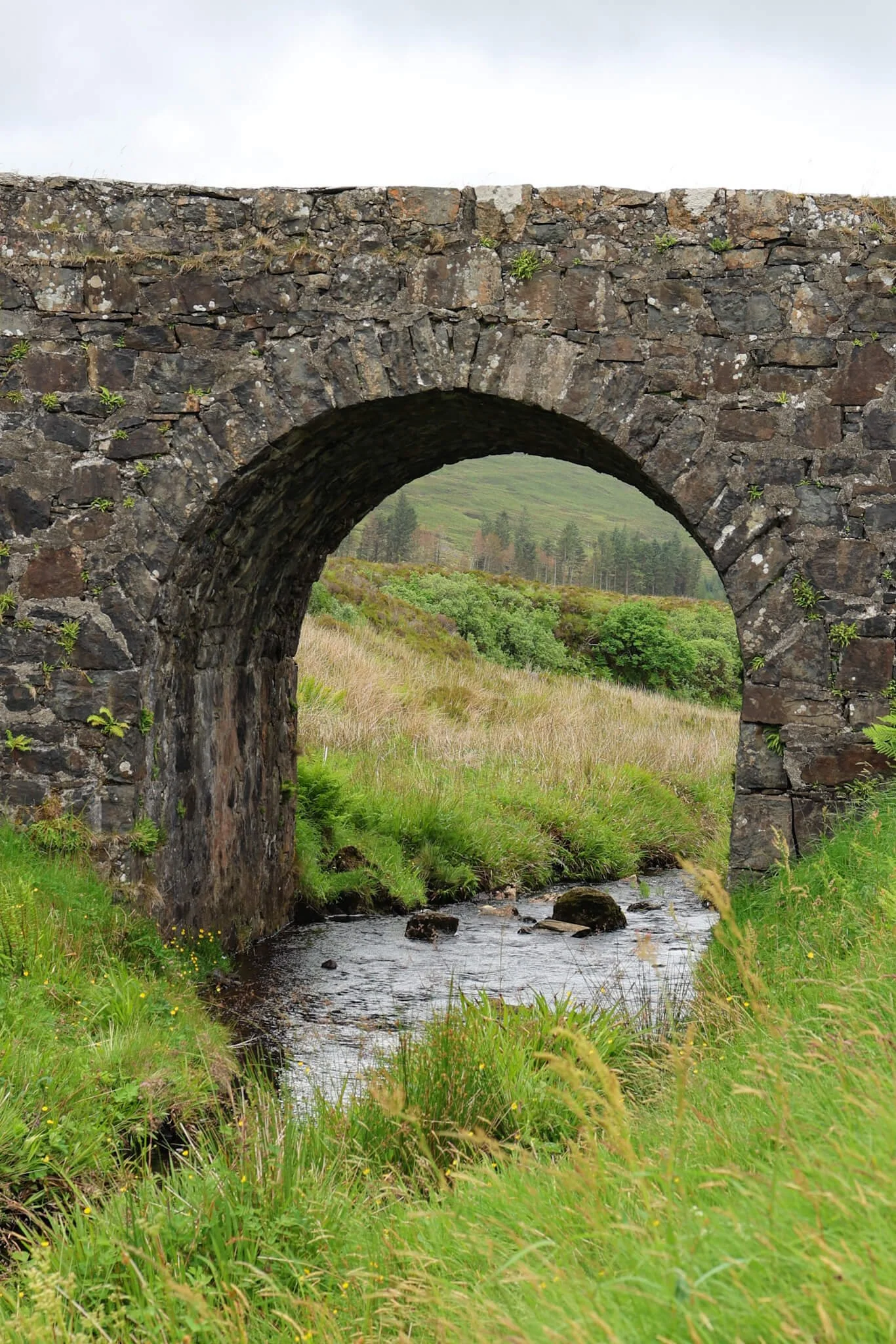
The Fairy Bridge on the Isle of Skye is a quietly unassuming sight. There’s no signage and no visitor centre - just a small stone bridge spanning a burn beside the road. Yet, for those drawn to the island’s mythology, it’s one of Skye’s most magical little stops.
The Fairy Bridge, Skye
This small, stone-built bridge is said to be the place where the Chief of the Clan MacLeod was gifted the Fairy Flag as a talisman of protection by his fairy wife, before she returned to her own people.
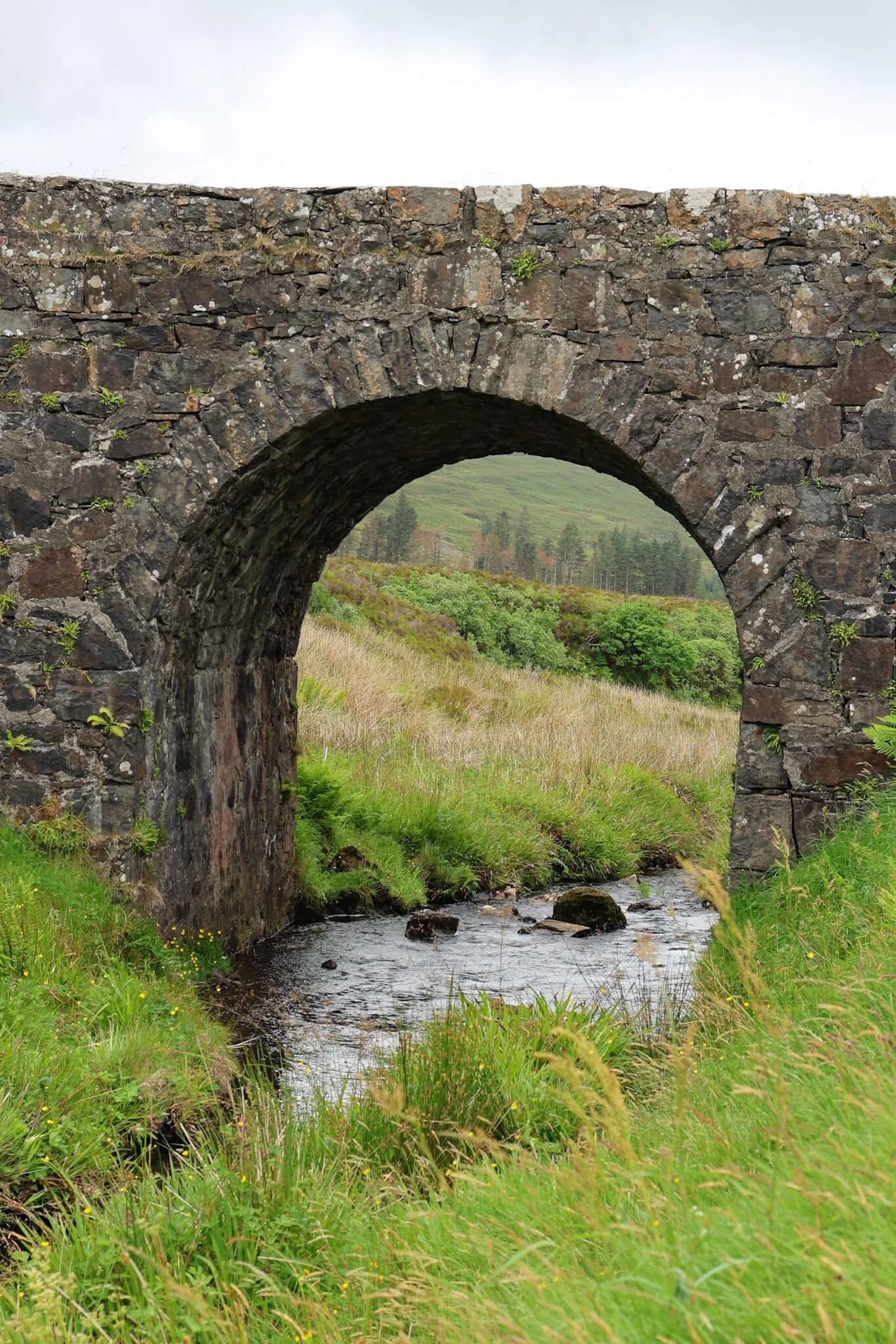
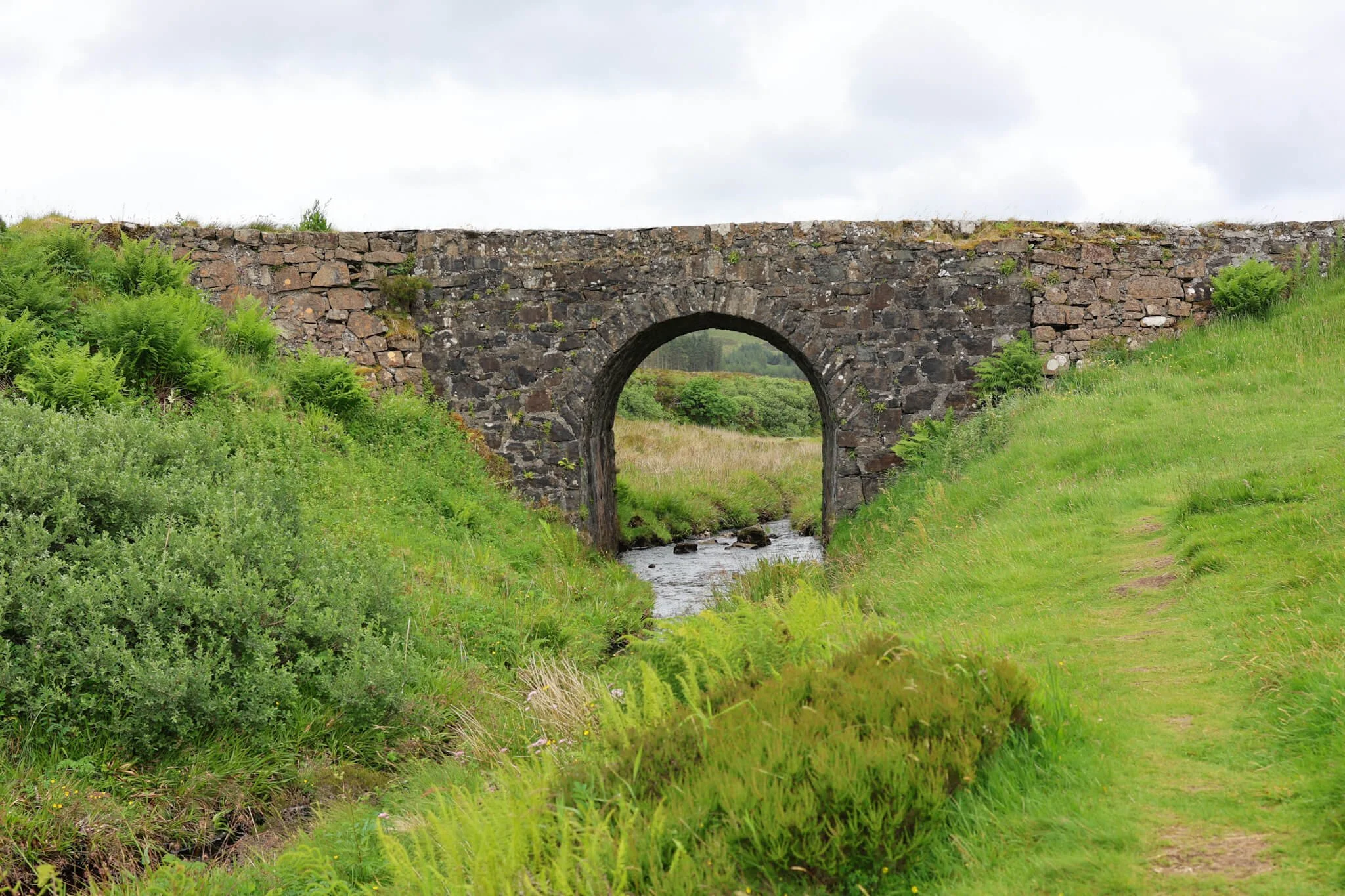
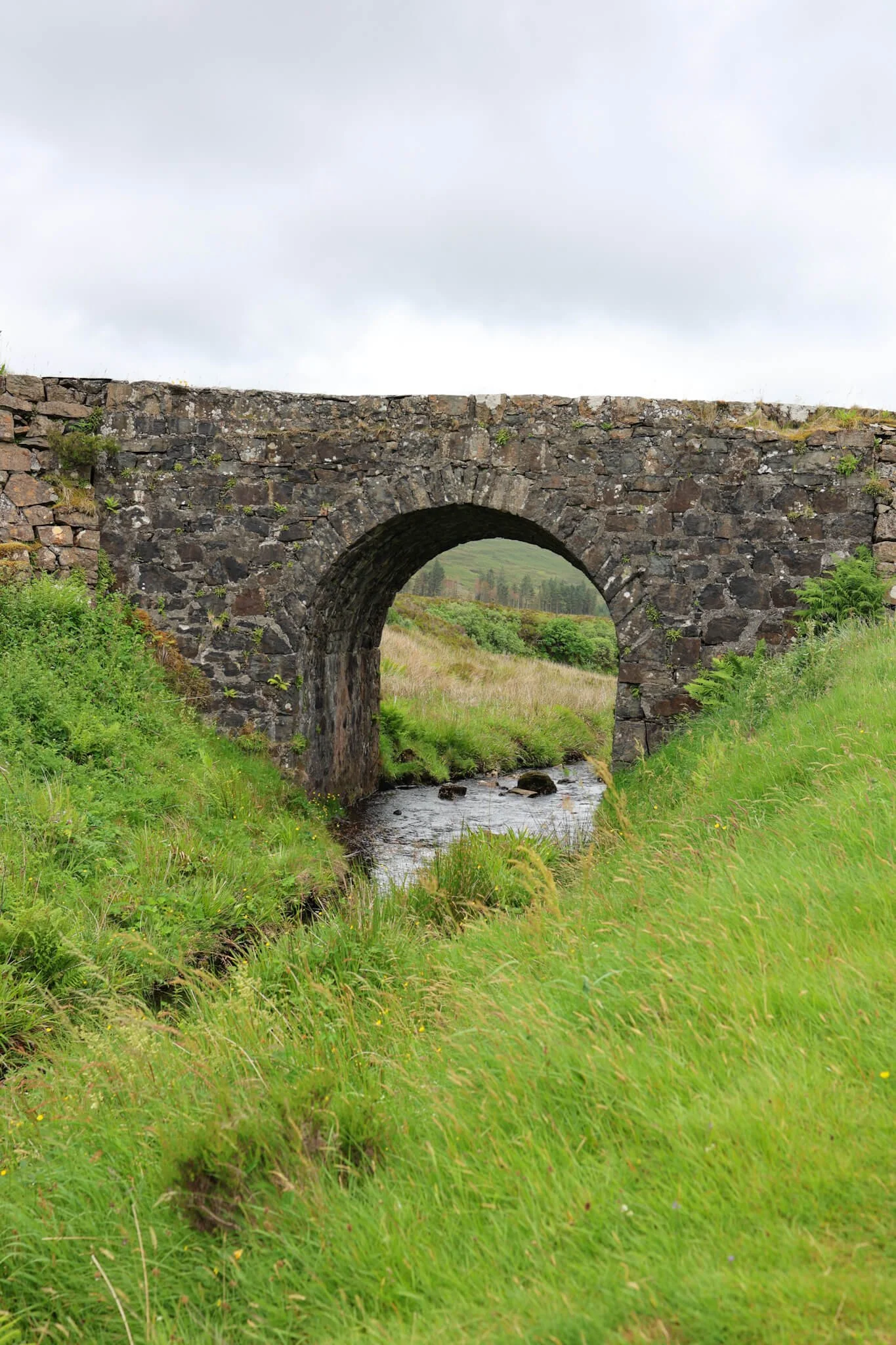
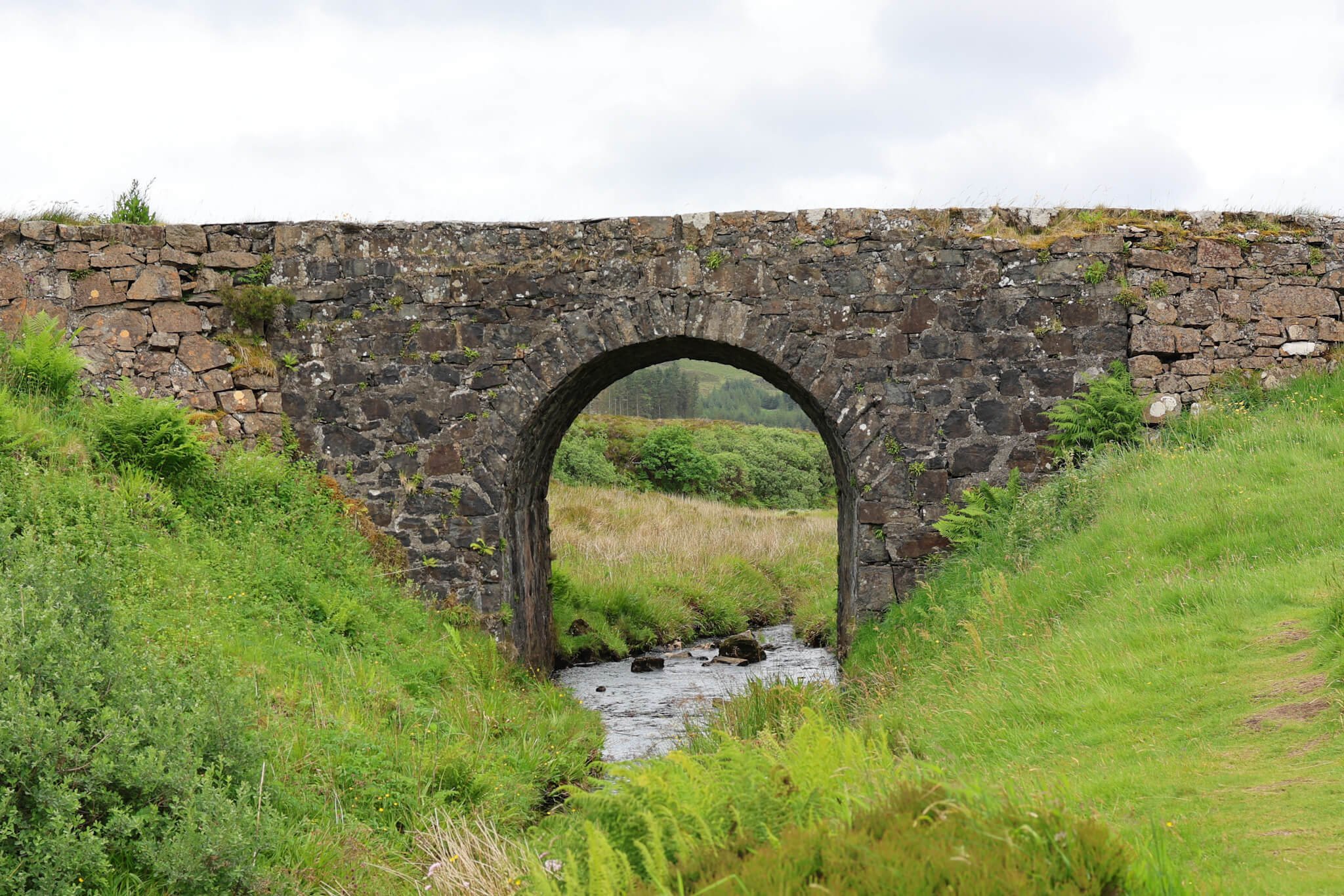
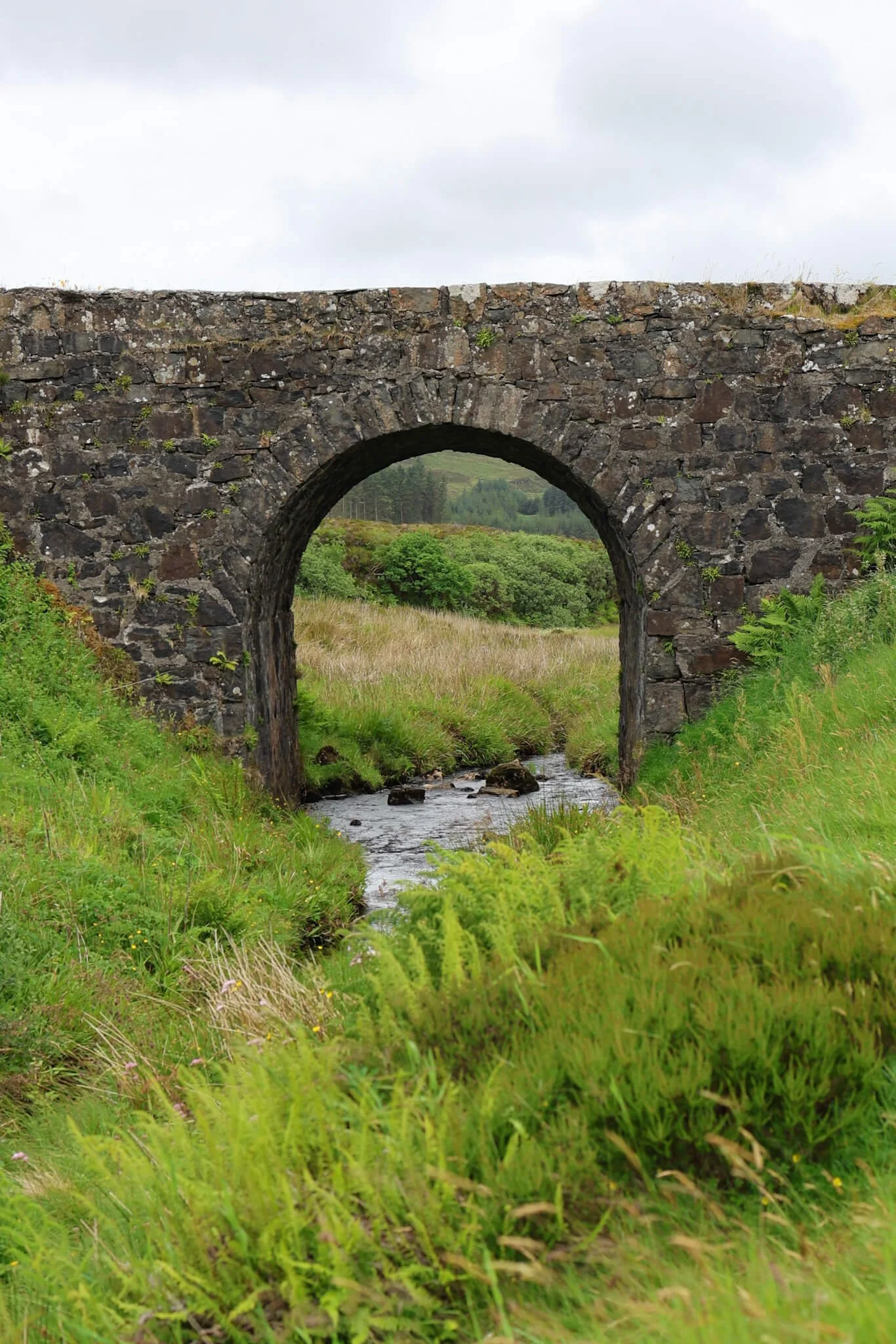
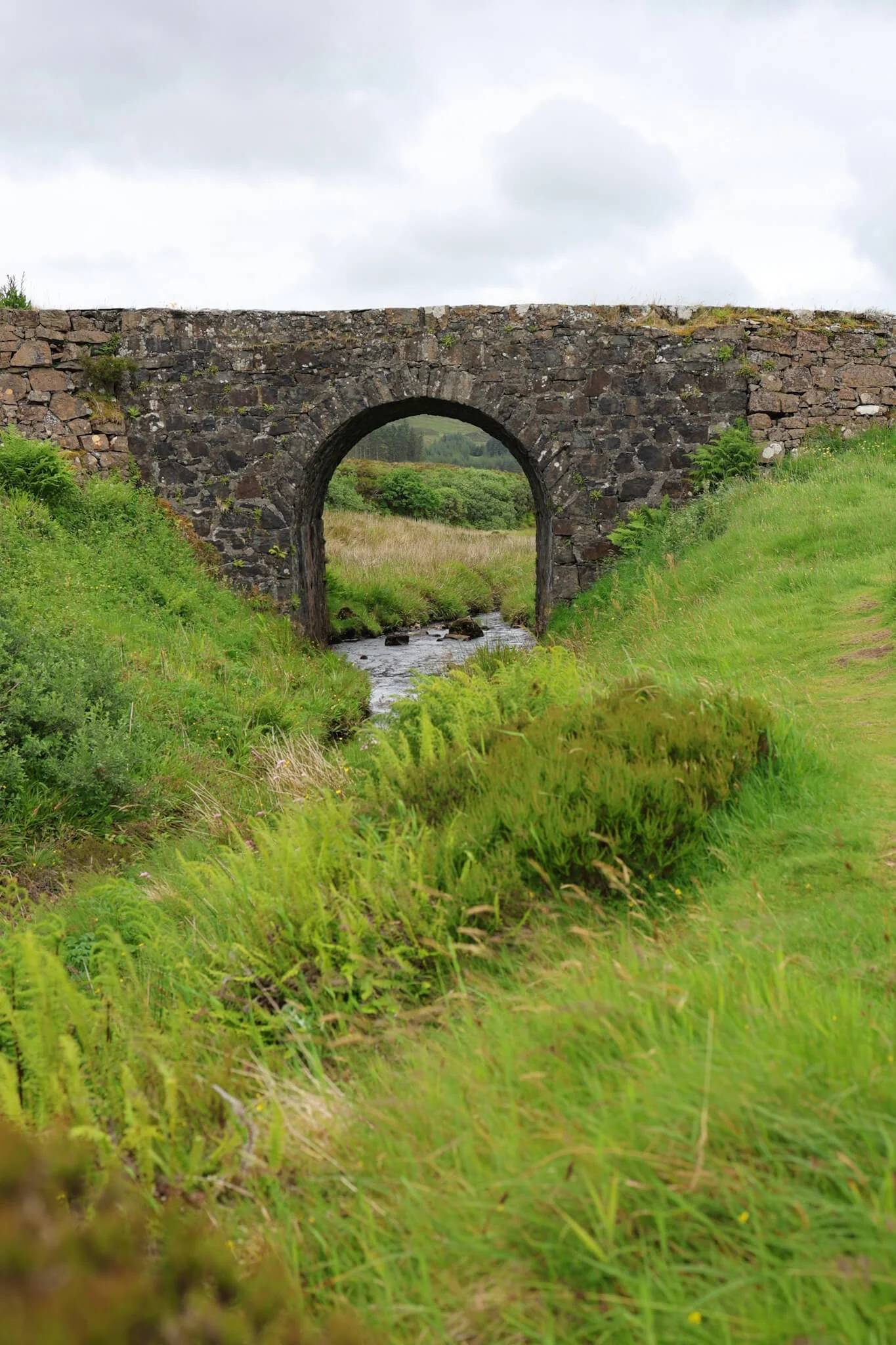
According to legend, the flag could be unfurled in times of peril to bring victory or protection to the clan, though it can only produce its magic three times. That very flag (or Am Bratach Sith in Gaelic) is still held by the MacLeods today and is displayed at Dunvegan Castle, one of Skye’s most visited historic sites. But the Fairy Bridge is where that story begins…
Folklore aside, this little bridge marks the starting point of adventures on the idyllic northern peninsula of Waternish, or is easily visited on the drive between Dunvegan and Edinbane, and it’s well worth adding to your Skye itinerary.
Where is the Fairy Bridge on Skye?
The Fairy Bridge sits on the A850, just north of Edinbane, at the junction where the road begins to edge towards Waternish.
From Portree, it’s around a 35-minute drive. However, we think the Fairy Bridge is best visited alongside a trip to Skye’s quieter northern peninsulas (Waternish, Duirinish, or a wider loop taking in Dunvegan and the west of the island), rather than as a standalone stop.
In Gaelic
In Gaelic, the Fairy Bridge is known as An Drochaid nan Sìthichean, literally meaning the Bridge of the Fairies. Like many Gaelic place names on Skye, it hints at a world where landscape, legend, and everyday life were once closely entwined.
Good to Know Before You Visit
There’s a small, informal gravel pull-in beside the bridge where you can park.
The ground around the bridge is grassy and uneven, and can become muddy after rain.
This stop works best as part of a wider trip to Waternish, or paired with a visit to Dunvegan Castle, rather than as a standalone destination.
