Common Scotland Itinerary Mistakes (and How to Avoid Them)
Planning a trip to Scotland is exciting, but it’s also easy to feel a little overwhelmed. And it’s little wonder; the country is stunning, varied, and packed with experiences, yet what looks simple on a map can become surprisingly complex in practice.
After years of planning itineraries for visitors across the Highlands, the Islands, the countryside and the cities, I’ve noticed a few recurring patterns - mistakes that almost everyone makes when they first try to tackle Scotland on their own.
These aren’t failures by any means; rather, normal assumptions about travel that don’t quite work here. Recognising them early is the first step toward a trip that actually feels relaxed, immersive, and memorable - without feeling rushed or spending more in the car than actually exploring.
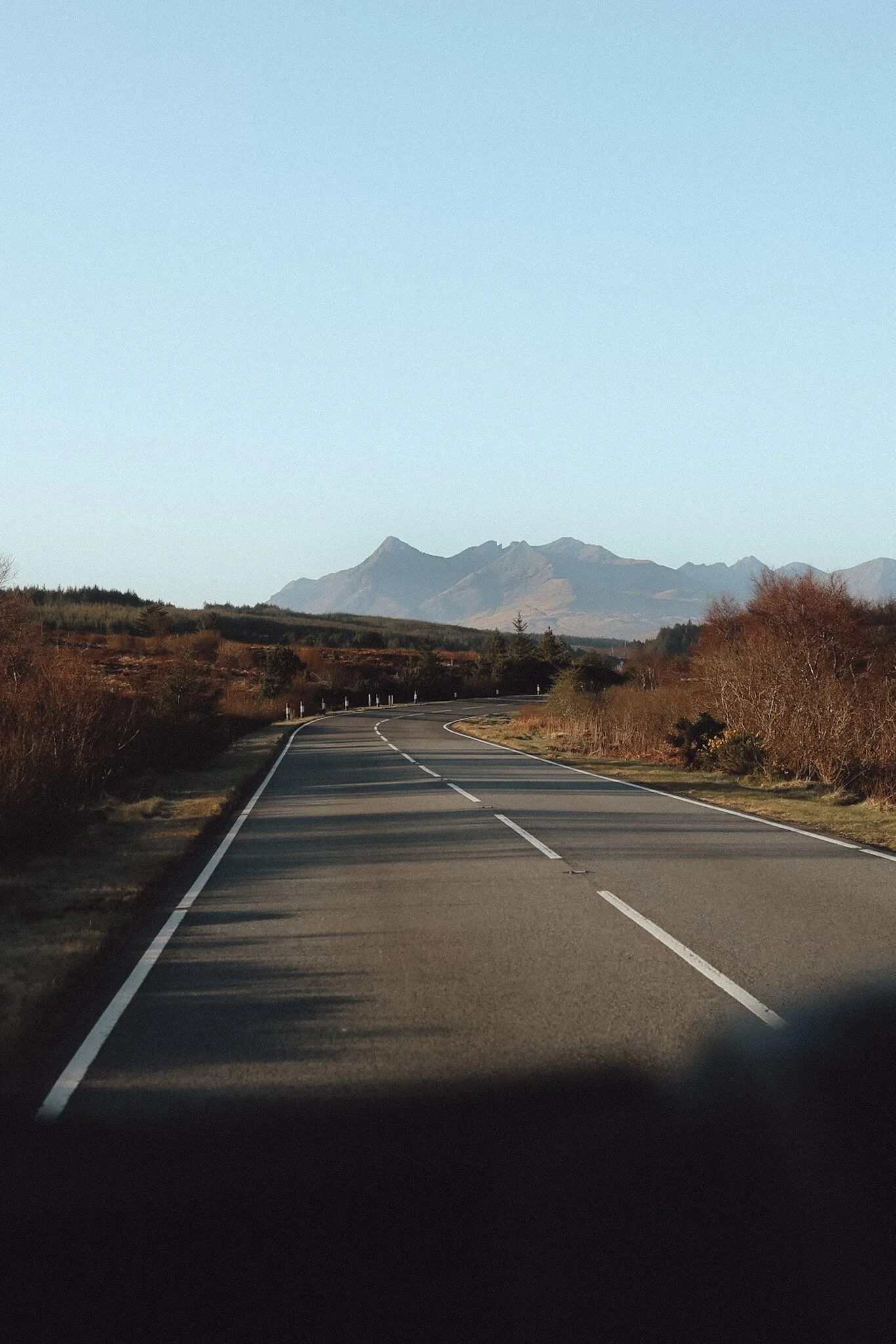

1. Thinking Scotland Is Small
Looking at a map, Scotland can feel small - especially if you’re visiting from the States, Australia, or anywhere else that’s far bigger (which, let's be honest, is most countries).
It’s tempting to think you can cover Edinburgh, Stirling, Skye, Inverness, the Cairngorms, and Aberdeenshire in a long weekend trip without much effort. In reality, the country is larger, the roads are winding, there are many amazing places to visit, experiences to be had, and journeys take far longer than the miles on a map suggest.
Single-track roads, ferries, and mountain passes all add their own rhythm to the day, and the irresistible urge to stop for a photo can turn a short drive into a half-day adventure.
Insider tip: Think in regions rather than miles, and build generous buffers into your days. Focus on one or two areas, plan realistic travel times, and allow room to pause and explore.
2. Over-Cramming Your Itinerary
I understand, you’re travelling far, you have limited days of annual leave, and you want to see everything.
The problem is trying to fit in as many destinations as possible, which often means spending days mostly behind the wheel or rushing from one stop to the next.
In reality, Scotland isn’t a country to be checked off; it’s a place that rewards lingering. Some of the most memorable moments aren’t the famous landmarks but the quiet ones: a coffee by a harbour as the sun hits the water, a chat with a local baker, or simply realising that a castle, distillery, or museum warrants more time than you originally thought.
Over-crammed itineraries not only leave you exhausted but also rob you of these small, intimate experiences that truly make a trip unforgettable.
Insider tip: Less really is more. Plan to drive no more than four hours a day and build in plenty of stops. By focusing on fewer places and exploring them fully, your journey becomes richer, more relaxed, and far more memorable than any frantic checklist of destinations could ever be.
3. Hoping the Trip Will “Just Fall Into Place”
Some travellers arrive in Scotland with only a vague idea of where they’ll go, hoping the trip will somehow sort itself out. What usually happens is stress: evenings spent scrolling Google Maps, last-minute decisions, and discovering too late that you’ve missed hidden gems.
Planning doesn’t remove spontaneity - it creates it. Knowing the essentials allows you to linger, follow local tips, and enjoy unplanned moments without anxiety.
Insider tip: Even a simple Google Map of your must-see stops can make a huge difference. If you’d rather not spend hours researching, my curated itineraries cover everything from the iconic sights to secret gems, freeing you to focus on the experience rather than logistics.
4. Starting the Day Too Late
In my experience, Scotland truly rewards early risers. By mid-morning, the most popular spots can already feel crowded, car parks can be full, and trails can be noisy. That’s especially true at headline locations like the Old Man of Storr, the Fairy Pools, Glenfinnan Viaduct, and the Hidden Valley- places that feel magical when you have them almost to yourself, but very different once the crowds arrive.
Insider tip: Aim to arrive at hotspots around 7am to enjoy them in peace. Afterwards, you can take your time with breakfast or brunch in quiet cafés before the day picks up, creating a natural rhythm that lets you savour beautiful places without the crowds.
5. Not Packing for The Weather
Scotland’s weather is famously changeable: “unpredictable” is probably the best word. Sun, rain, mist, and wind can all appear in a single afternoon, and without the right gear, even a short walk can quickly turn uncomfortable. A drizzle on Skye can feel magical with the right jacket, but unpleasant without it, and sudden wind on a loch can make a relaxed stroll feel exhausting.
Insider tip: Pack layers, waterproofs, and boots you genuinely enjoy walking in, so you’re ready for anything the day throws at you. For real-time updates, I always recommend checking the Met Office and BBC Weather apps; they’re the most reliable sources for Scotland’s notoriously changeable conditions and can help you plan your walks, stops, and sightseeing with confidence.
6. Forgetting Scotland Is an Outdoor Destination
Castles, towns, and cities are undeniably spectacular, but they’re only part of the story. Scotland truly comes alive outdoors - hidden waterfalls, sweeping beaches, forest trails, rugged coastal cliffs, and quiet glens reveal the country’s soul in a way no guidebook can fully capture.
If most of your trip is spent in the car or sticking only to towns, you risk missing the very parts that make Scotland unforgettable.
Insider tip: Bring comfortable walking shoes, use the OS Maps app in rural areas, and plan at least one short walk into each day. Even a ten-minute stroll off the main path can reveal a hidden waterfall, a quiet beach, or a viewpoint that most visitors simply drive past; moments that often become the highlights of a trip.
7. Not Making Reservations in Advance
Scotland is full of independently run hotels, guesthouses, campsites, and restaurants - and they fill up fast, especially in summer and in more remote areas like the Highlands, Skye, and Mull, where options are limited.
Waiting until you arrive is simply not an option, and not booking far enough in advance often means compromise, long drives, or missing experiences that could have been highlights of your trip. A little planning ahead doesn’t restrict spontaneity; it gives you the freedom to enjoy your days without the stress of scrambling for a table or a room.
Insider tip: As soon as your travel dates are fixed, book accommodation, restaurants, and any ticketed experiences. Early planning ensures your must-do stops are secured and lets you focus on enjoying Scotland rather than constantly adjusting plans on the go.
8. Visiting Only in Peak Summer
Summer is beautiful, but it also brings crowds, higher prices, and busier roads. Iconic spots like the Old Man of Storr or Edinburgh’s Royal Mile feel very different when throngs of people are everywhere. Shoulder seasons, however, offer quiet trails, easier access to boutique hotels, and the chance to experience Scotland more like a local.
Insider tip: Travel in April to June or late September to early November. Light is often at its best, accommodation is easier to find, and you can enjoy the country’s landscapes without feeling rushed or crowded.
9. Ignoring Scotland’s Coffee and Food Scene
Scotland’s independent food and drink culture is thriving, from small-batch cafés serving exceptional flat whites to inventive modern restaurants that highlight seasonal, locally sourced produce.
Skipping these stops, choosing tourist traps, or sticking to chains means missing part of the country’s personality. Food tells a story, connects you with local producers, and often becomes a highlight of the trip in its own right.
Seasonal menus mean that every visit is unique: summer brings wild berries and fresh seafood, autumn focuses on foraged mushrooms and game, and winter showcases hearty comfort dishes.
Insider tip: Make time for independent cafés, artisanal bakeries, and a mix of casual and fine dining, so you can experience Scotland through its food, not just its scenery.
10. Thinking You Don’t Like Whisky
Even if you think whisky isn’t your thing, Scotland has a way of changing minds. Contemporary distilleries and whisky bars are approachable, stylish, and welcoming, often offering tasting experiences that are enjoyable rather than intimidating.
Whether you prefer peaty, sweet, or something in between, there’s a dram to suit every palate. Many distilleries also offer seasonal releases, cocktails, or paired tasting menus, giving you the chance to experience whisky in a way that feels personal and modern rather than formal or stiff.
Insider tip: Try guided tastings at distilleries or specialist bars, or ease in with a whisky cocktail: fruity, with plenty of ice, to gradually explore flavours.
11. Buying Souvenirs Instead of Meaningful Pieces
Mass-produced tartan or plastic Nessies rarely hold sentimental value. For us, Scotland’s real treasures are handmade, local, and timeless. Think island-inspired ceramics from Skye, or carved driftwood from the Highlands, or paintings from a Perthshire gallery - items with stories, history, and personality.
Insider tip: Seek out independent workshops, studios, and galleries. Aim to bring home souvenirs that are beautiful, meaningful, and truly Scottish.
A Final Trip Planning Note
If you recognise your itinerary in some of these mistakes, don’t worry. Scotland isn’t difficult - but it does reward thoughtful planning and local expertise. And a little guidance goes a long way in turning a trip from stressful to seamless.
Whether your focus is landscapes, food, or immersive experiences, a bespoke planning session helps you map a route that feels unrushed, intentional, and unforgettable from the moment you arrive.
